QE vs QT: How the Fed Balance Sheet Actually Works

A plain-English guide to how the Fed creates reserves to buy bonds (QE) and lets them mature to shrink the balance sheet (QT), with 2026 numbers.

Learn how stocks, bonds and capital markets work. Explore plain-English explanations, worked examples and charts, then follow related coverage to connect market concepts with current events. Find your way around ECMSource.
A plain-English guide to how the Fed creates reserves to buy bonds (QE) and lets them mature to shrink the balance sheet (QT), with 2026 numbers.

What is bond duration? A plain-English guide with the rule of thumb, the formula, and a worked example using current Treasury yields.
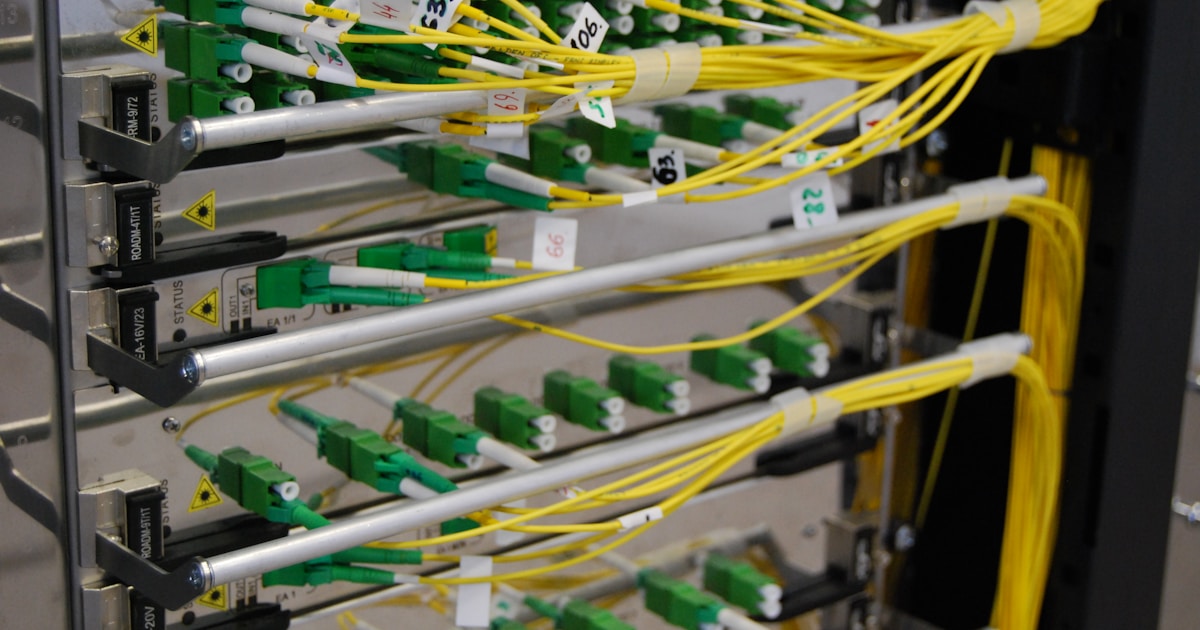
POET Technologies tumbled 22% on May 15, 2026 as a $400M dilutive raise overshadowed a fresh AI-optics supply pact worth up to $500M with Lumilens.

A plain-English guide to stock options: how calls, puts, strike, expiration, and premium work, with payoff charts and a worked example.

Buybacks and dividends both return cash to shareholders, but they work very differently. Here’s the math, the tax rules, and when each one wins.

Berkshire Hathaway’s Q1 2026 13F closed 16 positions including UnitedHealth, Amazon, Visa and Mastercard while adding a $2.65B Delta stake and tripling Alphabet.

What is a CLO? How collateralized loan obligations slice up leveraged corporate loans into rated tranches and where the AAAs actually stand.

A side-by-side guide to the three paths to public markets — traditional IPO, direct listing, and SPAC merger — with real examples and trade-offs.

P/E in plain English: the formula, a worked example, sector ranges from NYU’s Damodaran, and why the Shiller CAPE near 42 sits within a whisker of the 1999 peak.

Private credit, bank loans, and syndicated loans all finance the same companies. Here is how each channel actually works, and where the money sits.