How an IPO Actually Works: S-1, Roadshow, Greenshoe, Lock-Up

IPO 101 with real numbers: what an S-1 filing is, how bookbuilding sets the price, why greenshoes and lock-ups exist, and what first-day pops mean.

IPO 101 with real numbers: what an S-1 filing is, how bookbuilding sets the price, why greenshoes and lock-ups exist, and what first-day pops mean.
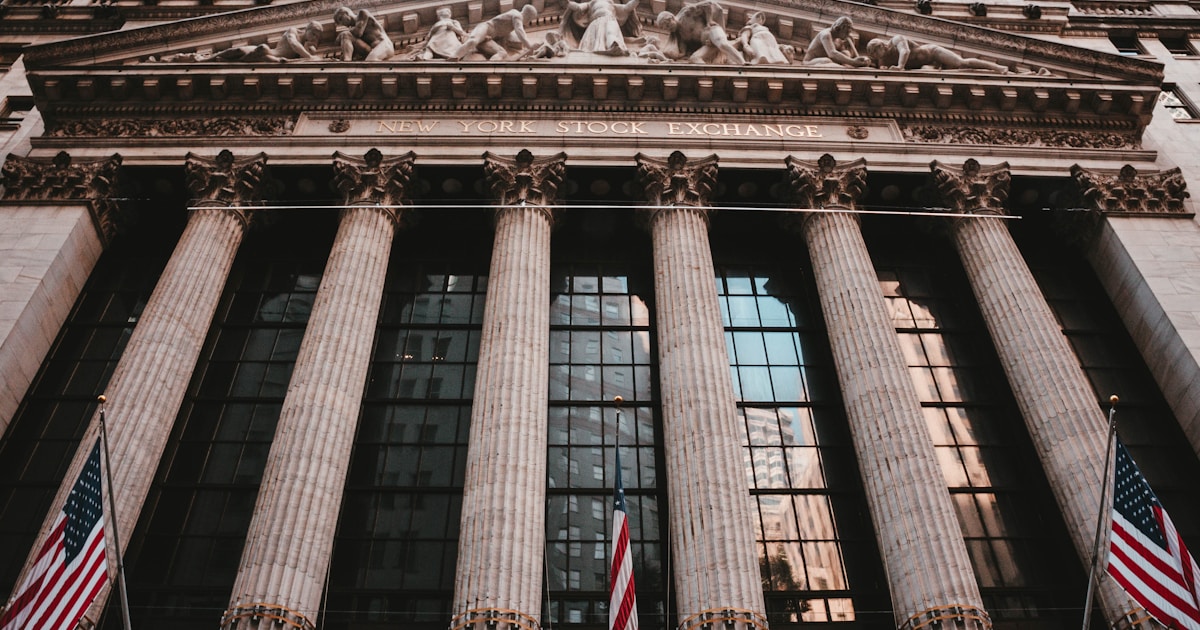
From S-1 to greenshoe to the 180-day lockup — a plain-English guide to how a company actually goes public in the U.S., with Ritter’s 1980-2025 data.
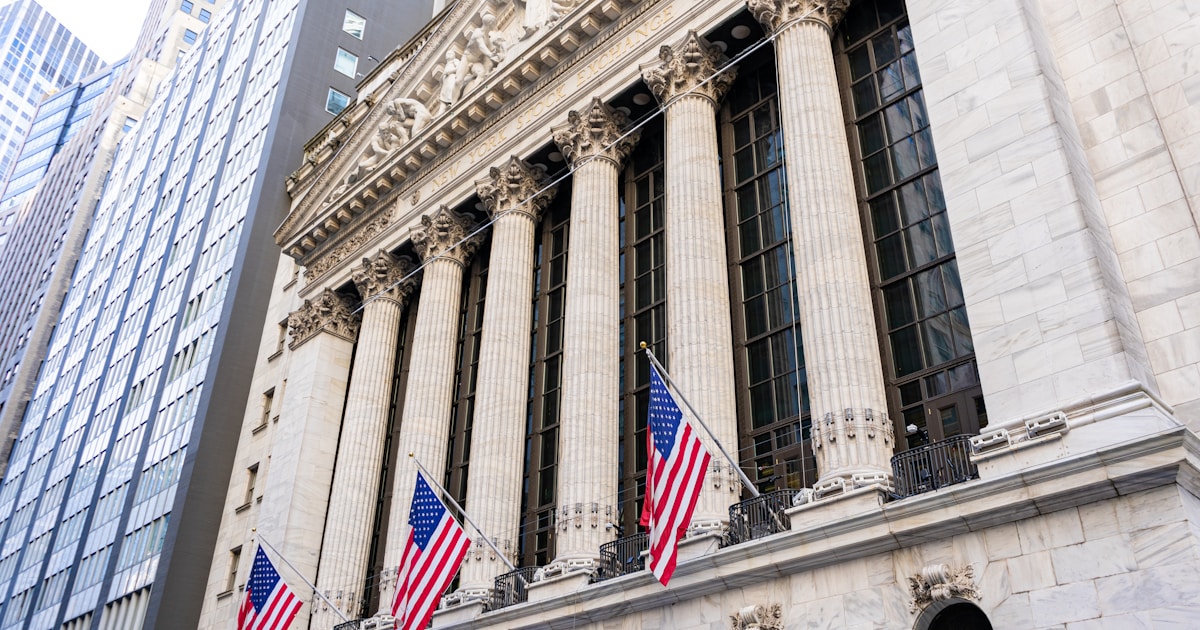
How a company goes public, step by step: the S-1 filing, bookbuilding, share allocation under FINRA Rule 5130, and the greenshoe that stabilizes the first weeks of trading.

How public companies issue new shares after their IPO, why the stock usually falls on the announcement, and what ATM offerings and greenshoes really do.
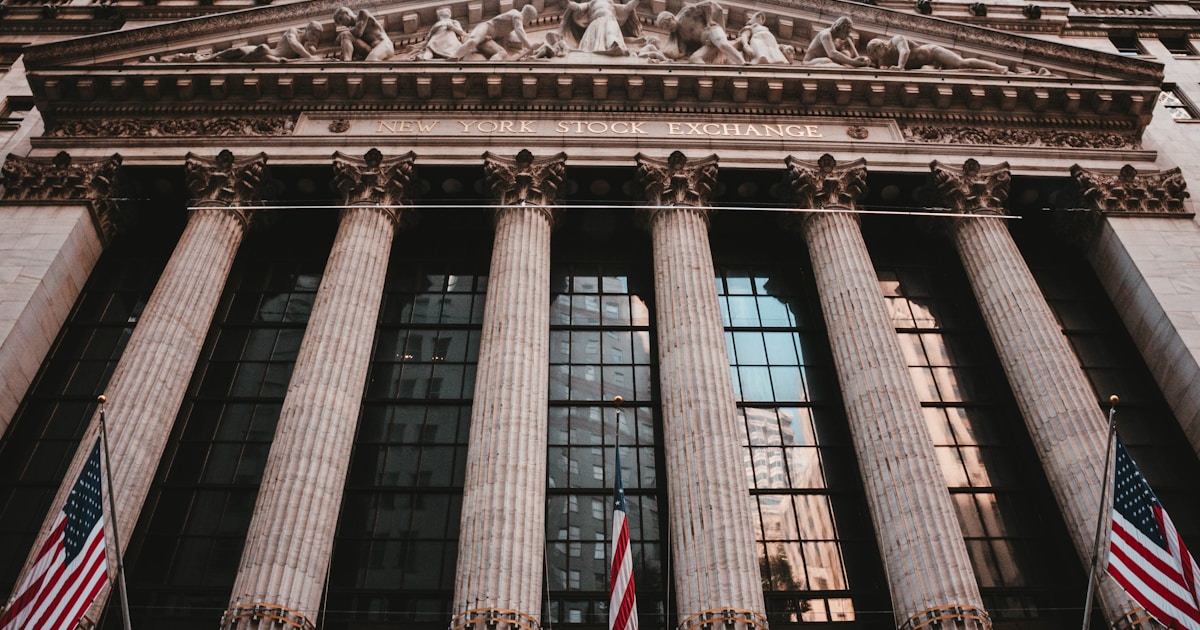
From S-1 filing to the greenshoe, how a private company actually goes public — underwriters, the roadshow, pricing, allocations, and stabilization.
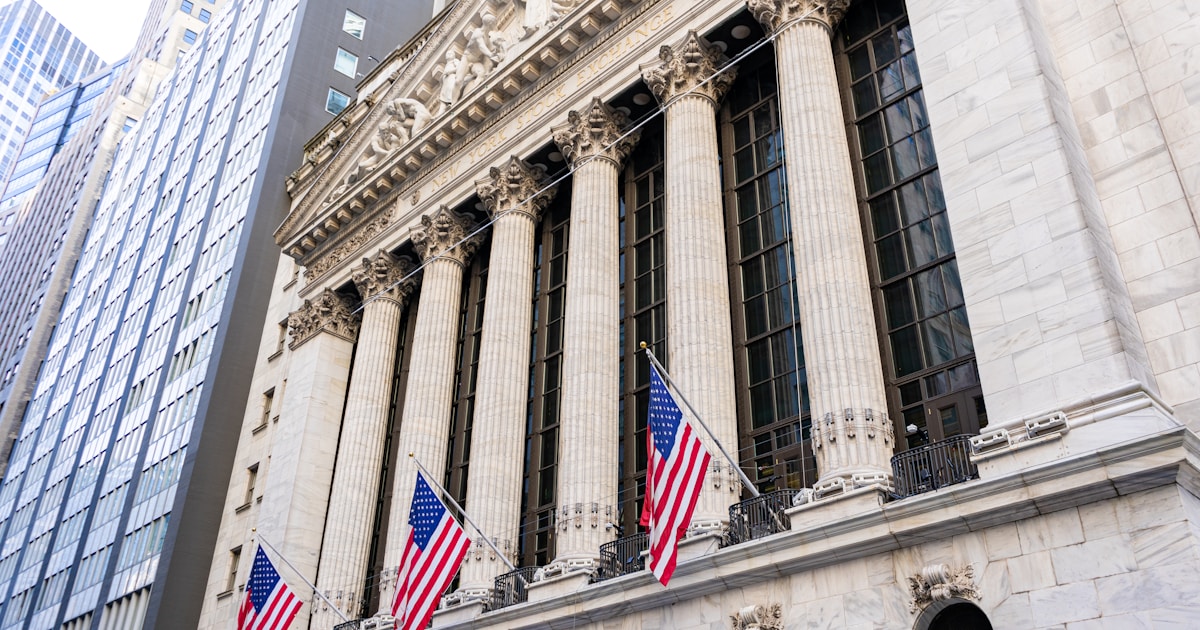
From the S-1 registration statement to bookbuilding, allocation, the first trade, and the greenshoe option — a plain-English walk through the modern IPO process.
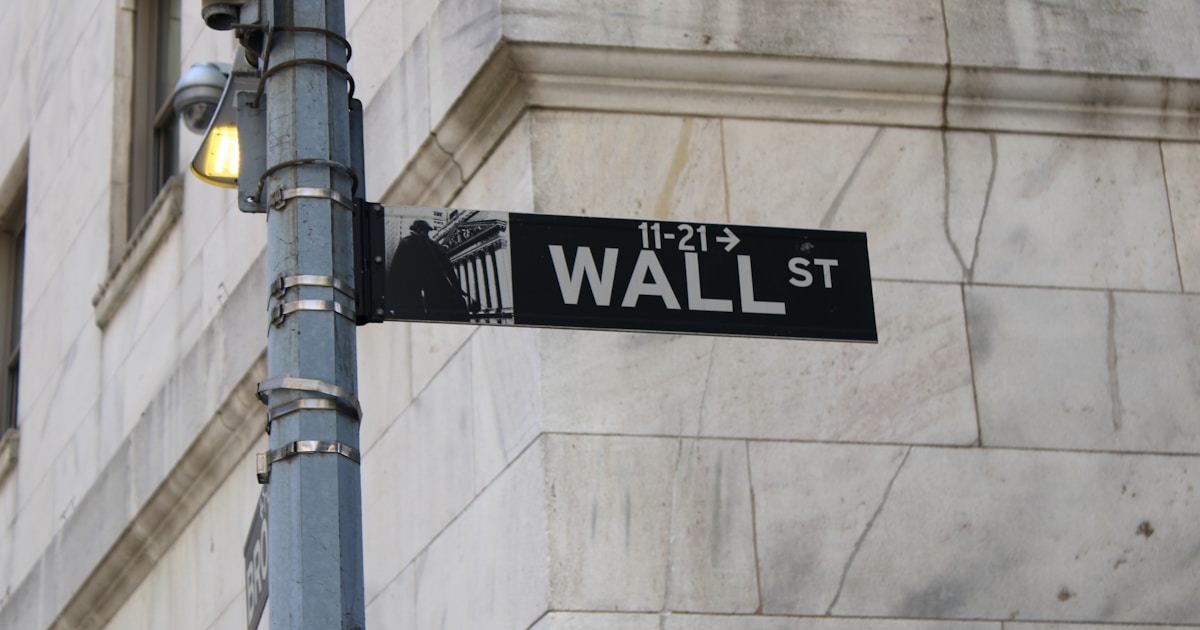
From S-1 filing to first-day pop: how an IPO actually works, covering bookbuilding, the greenshoe stabilization option, and lock-up periods.
From S-1 filing to first-day pop: how an IPO actually works, covering bookbuilding, the greenshoe stabilization option, and lock-up periods.
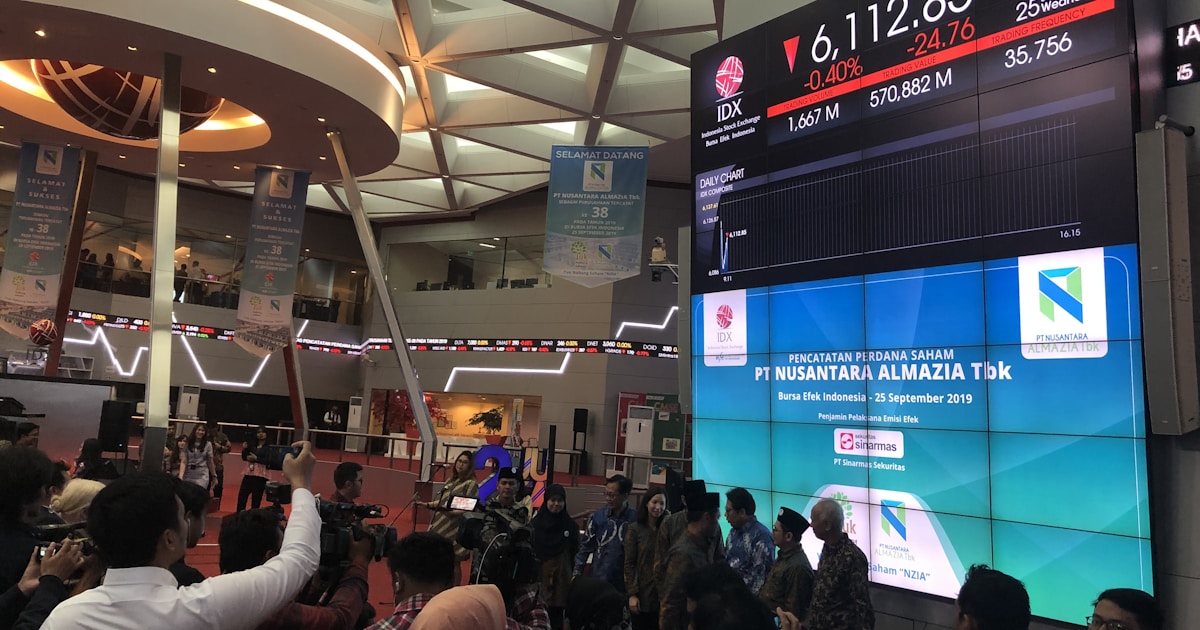
A plain-English guide to how companies go public — from the S-1 filing to bookbuilding, pricing night, and the greenshoe stabilization option.