EPS, Diluted EPS, and Non-GAAP Earnings Explained

Learn how basic EPS, diluted EPS, and non-GAAP adjusted earnings are calculated—and why each number tells a different story during earnings season.

Learn how stocks, bonds and capital markets work. Explore plain-English explanations, worked examples and charts, then follow related coverage to connect market concepts with current events. Find your way around ECMSource.
Learn how basic EPS, diluted EPS, and non-GAAP adjusted earnings are calculated—and why each number tells a different story during earnings season.

Short selling lets investors profit from falling prices. Learn how it works, what short interest means, and what triggers a short squeeze.
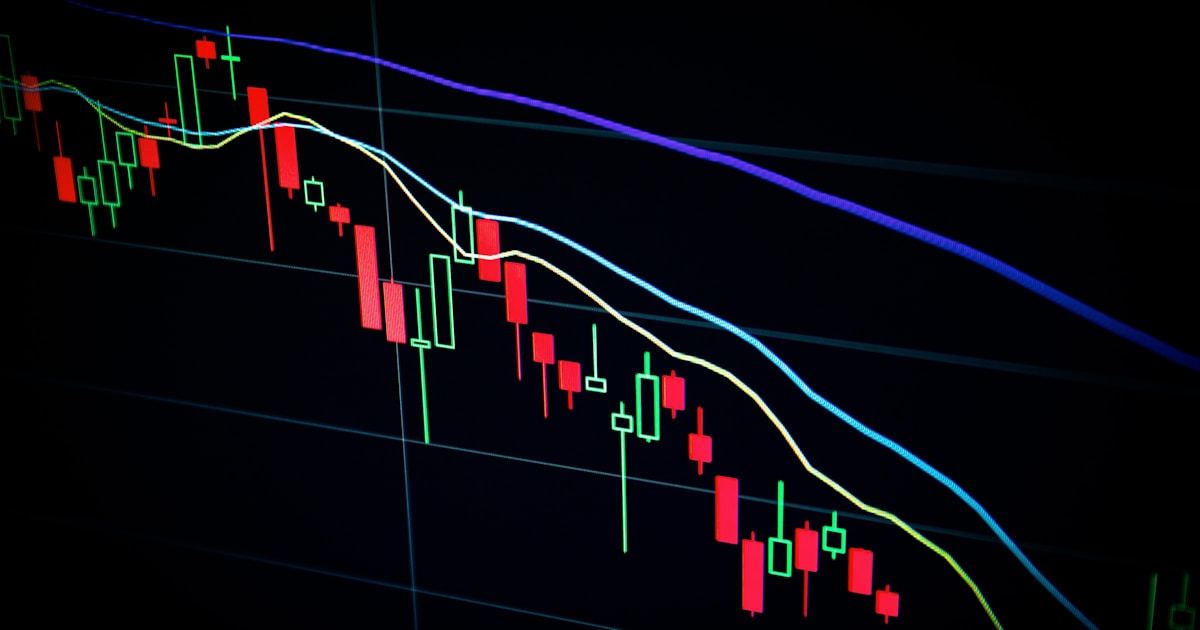
The difference between investment grade and junk bonds comes down to credit ratings, spreads, and default risk. Here’s how to read the credit market’s most important signals.

Why do bond prices fall when yields rise? Learn how bond pricing, yield to maturity, duration, and convexity work — with real examples and current Treasury data.
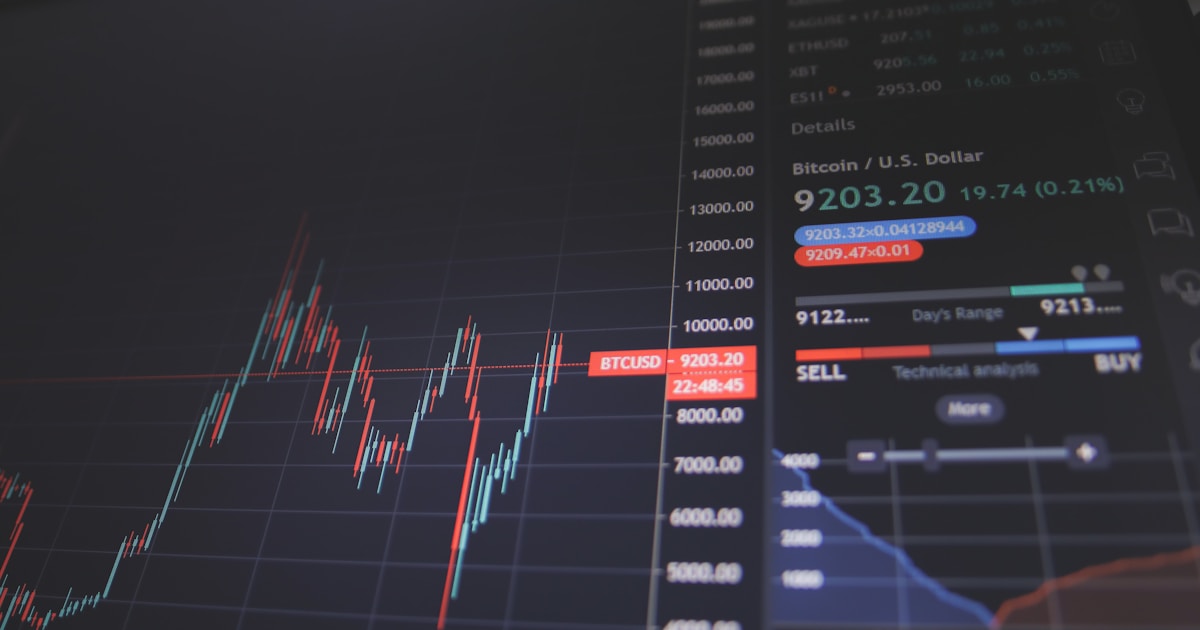
Learn how stock buybacks and dividends return capital to shareholders, how each is taxed, when each signals management confidence, and which strategy suits which investor.
A source-linked guide to spot crypto exchange-traded products: what investors own, which costs and risks to inspect, and how to check current filings.

DeepSeek AI Shockwave: How a Chinese Startup Wiped $600 Bill — get a data-driven breakdown of what’s moving markets and which signals matter for invest…
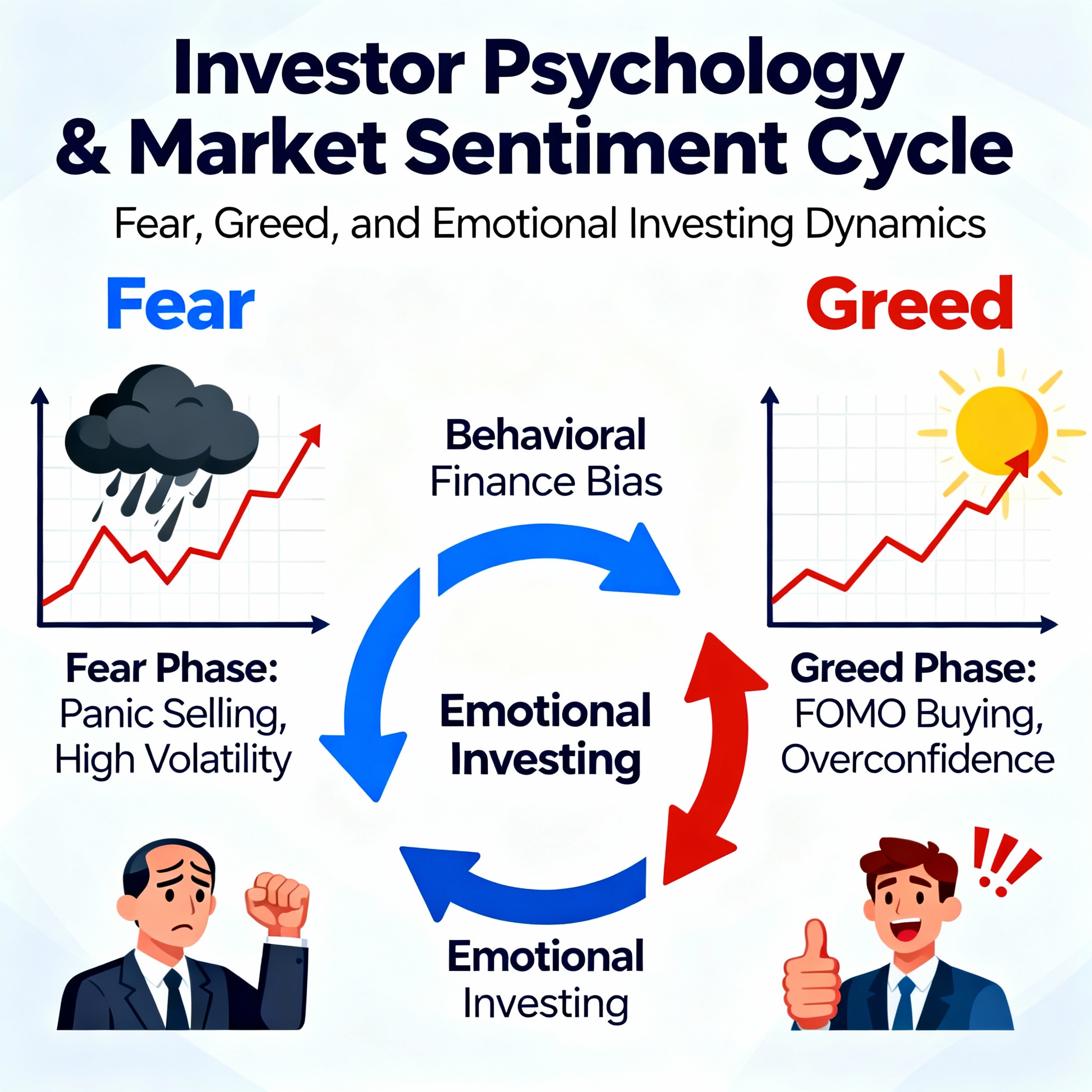
Mastering Emotional Intelligence in Financial Markets Financial success isn’t just about analyzing balance sheets, tracking market trends, or understanding economic indicators—it’s fundamentally about mastering your own psychology. While textbooks and finance courses teach valuation models and technical analysis, they rarely address the powerful emotional forces that drive the majority of investment decisions. Fear, greed, overconfidence, … Read more
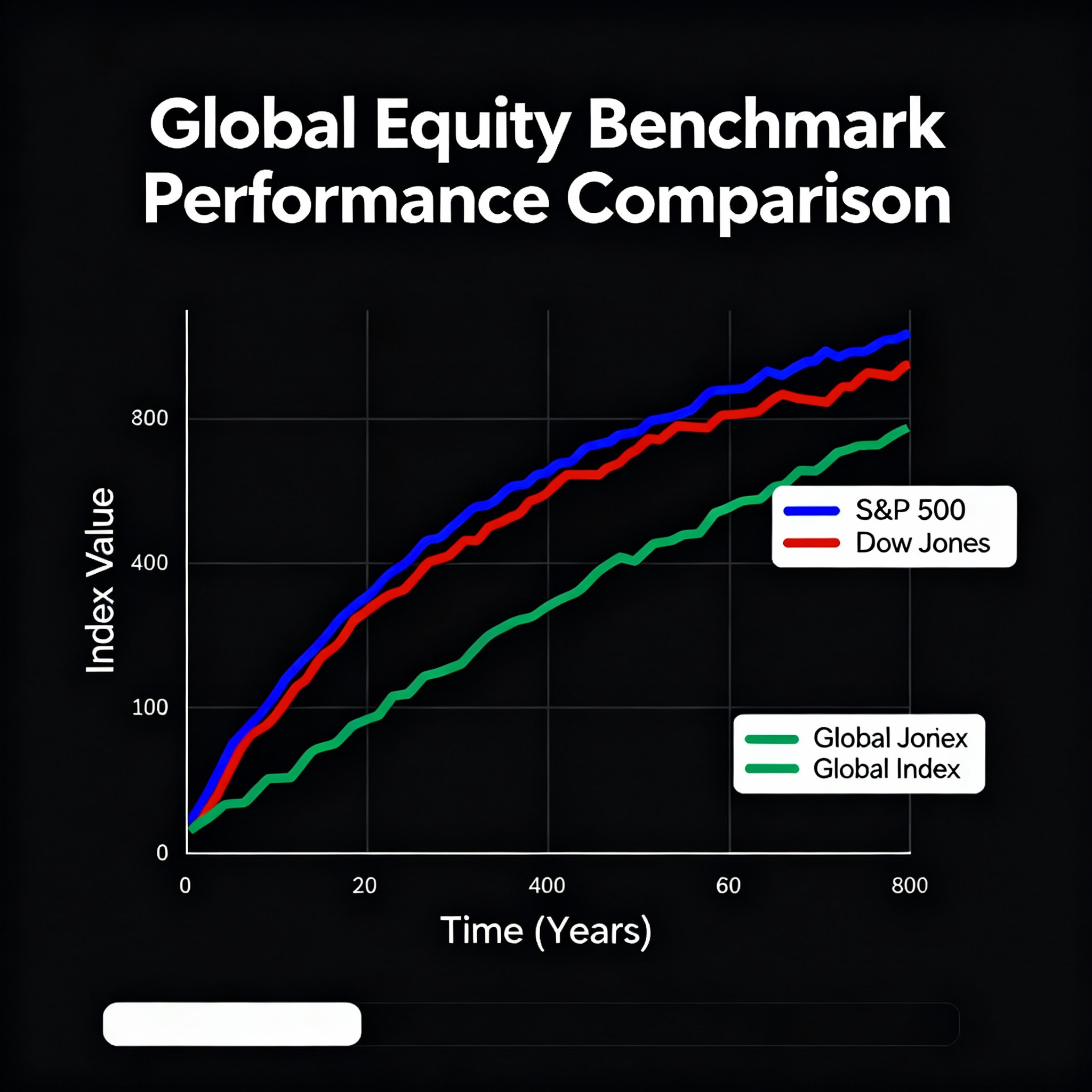
Understanding Financial Uncertainty and the Fear Gauge Market volatility—the rapid, sometimes violent price swings in stocks, bonds, and other assets—represents one of financial markets’ most defining characteristics and greatest sources of investor anxiety. When volatility surges, headlines scream about market chaos, portfolios fluctuate wildly, and the famous VIX index (often called the “fear gauge”) spikes … Read more
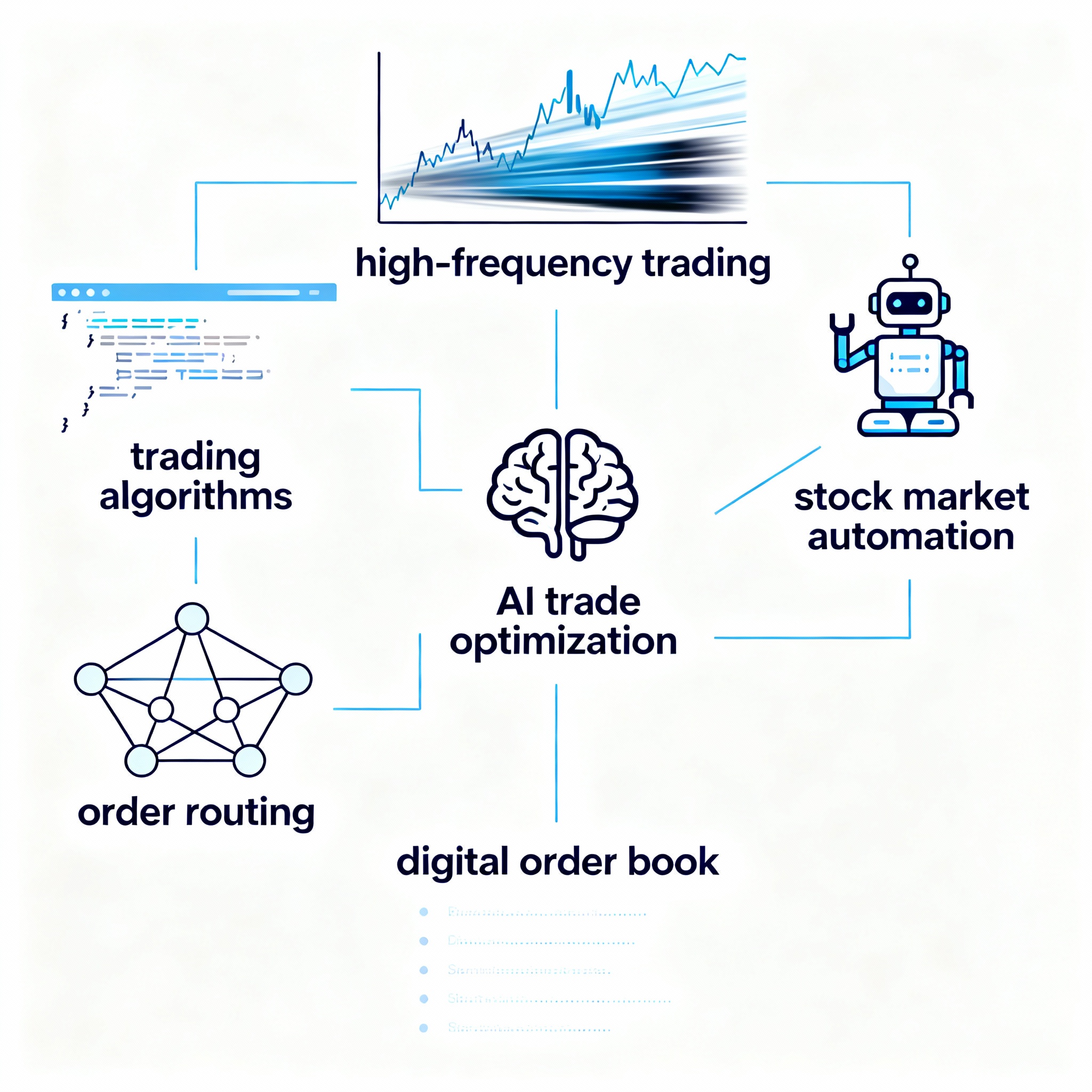
How Speed, Intelligence, and Technology Are Reshaping Modern Markets Trading algorithms have revolutionized financial markets, transforming the landscape from human-dominated trading floors to lightning-fast electronic execution environments where billions of orders are processed in microseconds. These sophisticated computer programs analyze market data, identify trading opportunities, and execute orders with minimal human intervention, operating at speeds … Read more