30-Year Mortgage Rates Hit 7.40% as Treasury Yields Climb

Freddie Mac’s weekly survey shows 30-year fixed mortgage rates jumped to 7.40% on October 8, 2026, driven by higher 10-year Treasury yields.

Explore inflation, employment, growth and other economic developments that shape financial markets. Find context for economic releases and explanations of commonly used indicators. Find your way around ECMSource.
Freddie Mac’s weekly survey shows 30-year fixed mortgage rates jumped to 7.40% on October 8, 2026, driven by higher 10-year Treasury yields.

FOMC minutes reveal that heavy AI infrastructure debt issuance and Treasury buyback uncertainty contributed to higher term premiums and bond yields.

30-year fixed mortgage rates jumped back above 7% as the 10-year Treasury touched 5% and MBS spreads widened. Here is what is driving borrowing costs.

The Buffett Indicator compares total stock market value to GDP. Here is how the formula works, historical valuation tiers, and why the ratio can mislead.

As the 10-year Treasury yield clears 5.00%, Bank of America calls the century-worst bond slump a generational entry point for patient capital.

The Bank of England held rates at 3.75% in a 6-3 vote, defying the Fed’s rate hike. Benchmark 10-year and 30-year gilt yields tumbled as markets weighed inflation.

The 10-year Treasury yield neared 5% on Sept. 14 as Treasury’s expanded $6B buyback logged a record-low 1.7x cover, rattling debt markets ahead of the Fed.
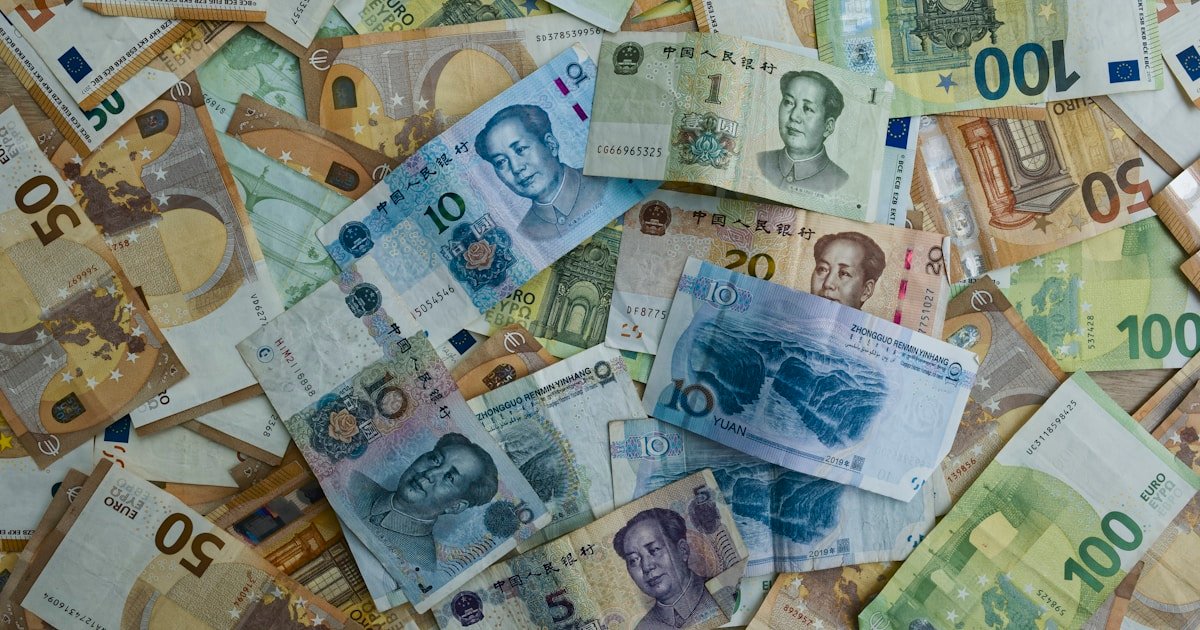
Yankee, Samurai, Kangaroo, Panda, Dim Sum — a field guide to foreign-currency bonds: what each is, where it trades, who regulates it, and why issuers use them.

Coca-Cola has invited Kotak, HDFC and Citi to pitch on a $1B IPO of Hindustan Coca-Cola Holdings at a ~$10B valuation, targeting a 2027 BSE/NSE listing.

S&P upgraded Argentina to B- on June 10, 2026 — the first time the country has carried a single-B rating since August 2019. The 2035 notes jumped to 78.9 cents.