AI Bond Deluge: IG Issuance Sets $145.2B August Record
August 2026 investment-grade bond sales hit $145.2B, a third straight monthly record, as Alphabet, Amazon, Oracle and Meta borrow to fund AI infrastructure.

August 2026 investment-grade bond sales hit $145.2B, a third straight monthly record, as Alphabet, Amazon, Oracle and Meta borrow to fund AI infrastructure.
US investment-grade bond issuance is on a record 2026 pace, but buyers pulled 36% of orders this week after pricing was squeezed — twice the prior week.
IG at 81bps, HY at 281bps, and $1.68T of corporate bonds already issued YTD — why record supply keeps meeting record demand in the credit market.
Hyperscaler bond books have slid from 5x oversubscribed in February to under 2x by July, as AI-related debt heads to $570B and Moody’s warns.
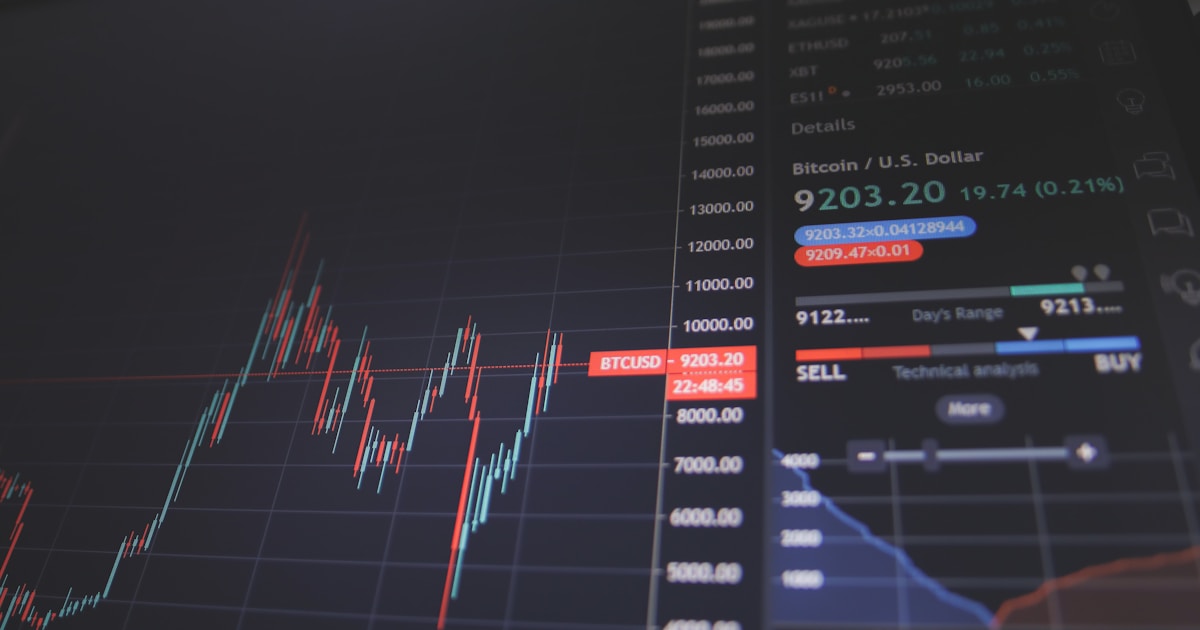
Bank of America projects $130 billion of July U.S. investment-grade issuance, just shy of 2015’s record, as M&A financing and Big Tech capex flood the tape.
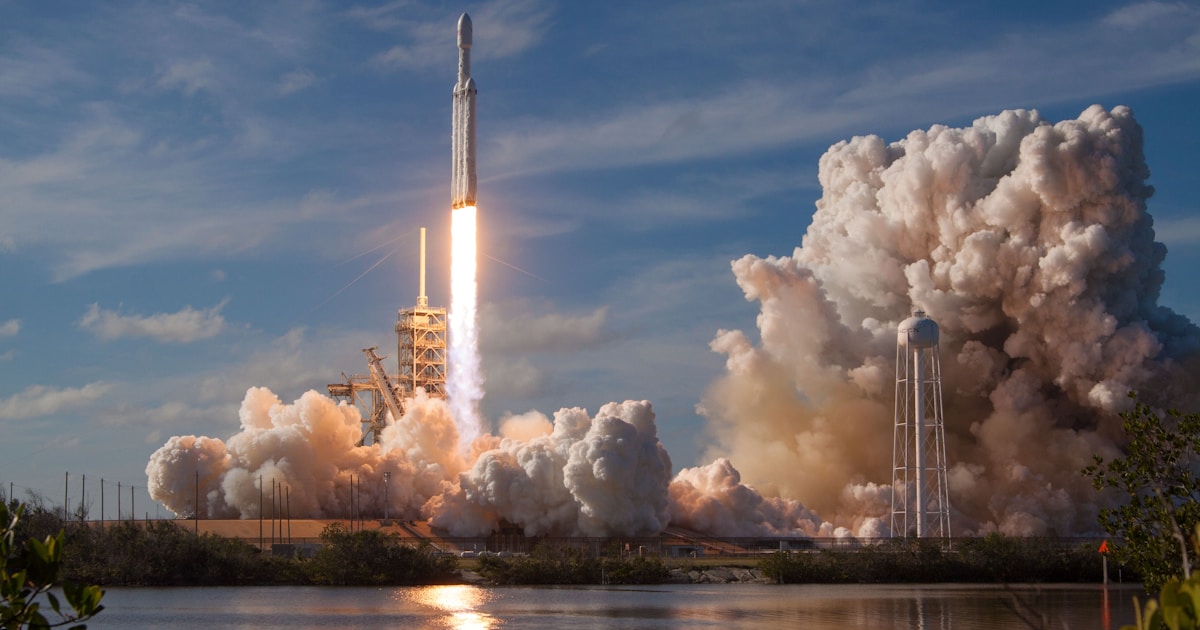
SpaceX sold $25B across five tranches in its first-ever bond sale, drawing nearly $89B in orders and tightening spreads 25 bps from talk.
How investment grade and high yield bonds differ: rating cutoffs, spreads, default rates, recovery rates, and the math behind credit risk.
Investment grade vs high-yield bonds explained: the BBB-/Baa3 cutoff, credit spreads, default rates, and recovery — what actually separates the two.
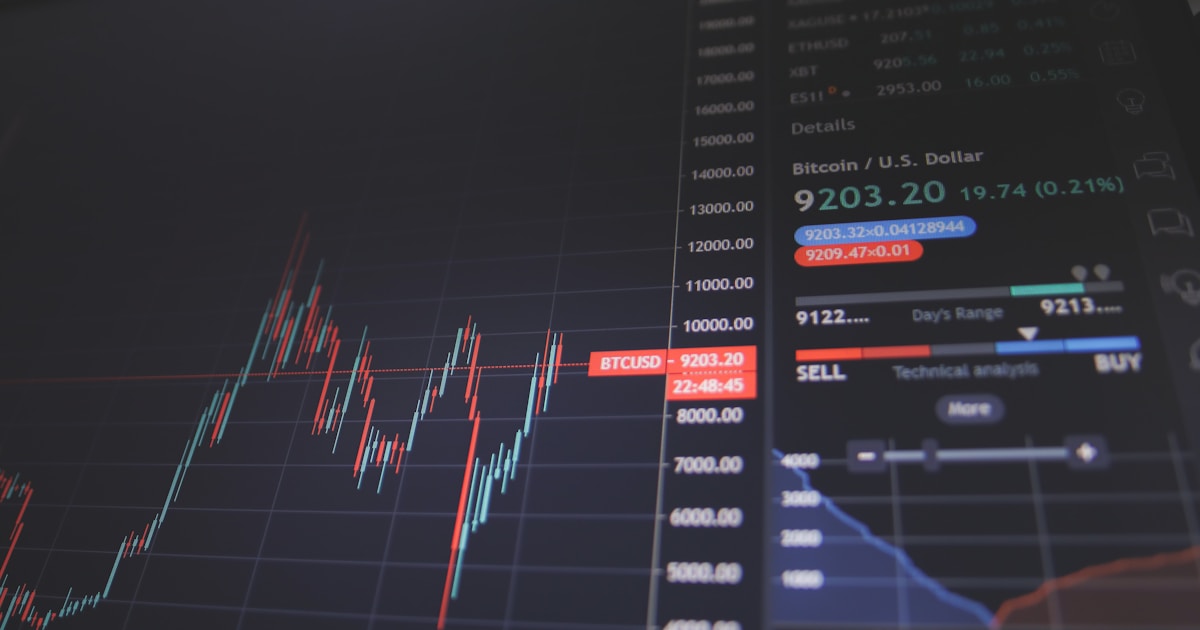
Investment-grade credit spreads compressed to 79 basis points in May 2026, near their tightest in over three years, as companies race to lock in cheap borrowing costs.
Meta, Alphabet, Amazon and Microsoft will spend ~$700B on AI in 2026 — debt-funding is flooding the investment-grade bond market with record supply.