30-Year Mortgage Rates Hit 7.40% as Treasury Yields Climb

Freddie Mac’s weekly survey shows 30-year fixed mortgage rates jumped to 7.40% on October 8, 2026, driven by higher 10-year Treasury yields.

Follow Federal Reserve decisions, interest rates and monetary policy. Explore what changes in short-term rates and bond yields mean, with links to original releases and market explainers. Find your way around ECMSource.
Freddie Mac’s weekly survey shows 30-year fixed mortgage rates jumped to 7.40% on October 8, 2026, driven by higher 10-year Treasury yields.

FOMC minutes reveal that heavy AI infrastructure debt issuance and Treasury buyback uncertainty contributed to higher term premiums and bond yields.

Digital Realty issued CHF 510M in Swiss bonds and priced €1B in 10-year green notes due 2036, expanding European debt to fund data center capacity.

The 2s10s Treasury yield curve steepened to +46 bps as the 10-year yield held at 5.24%, creating a challenging refinancing backdrop for corporate borrowers.
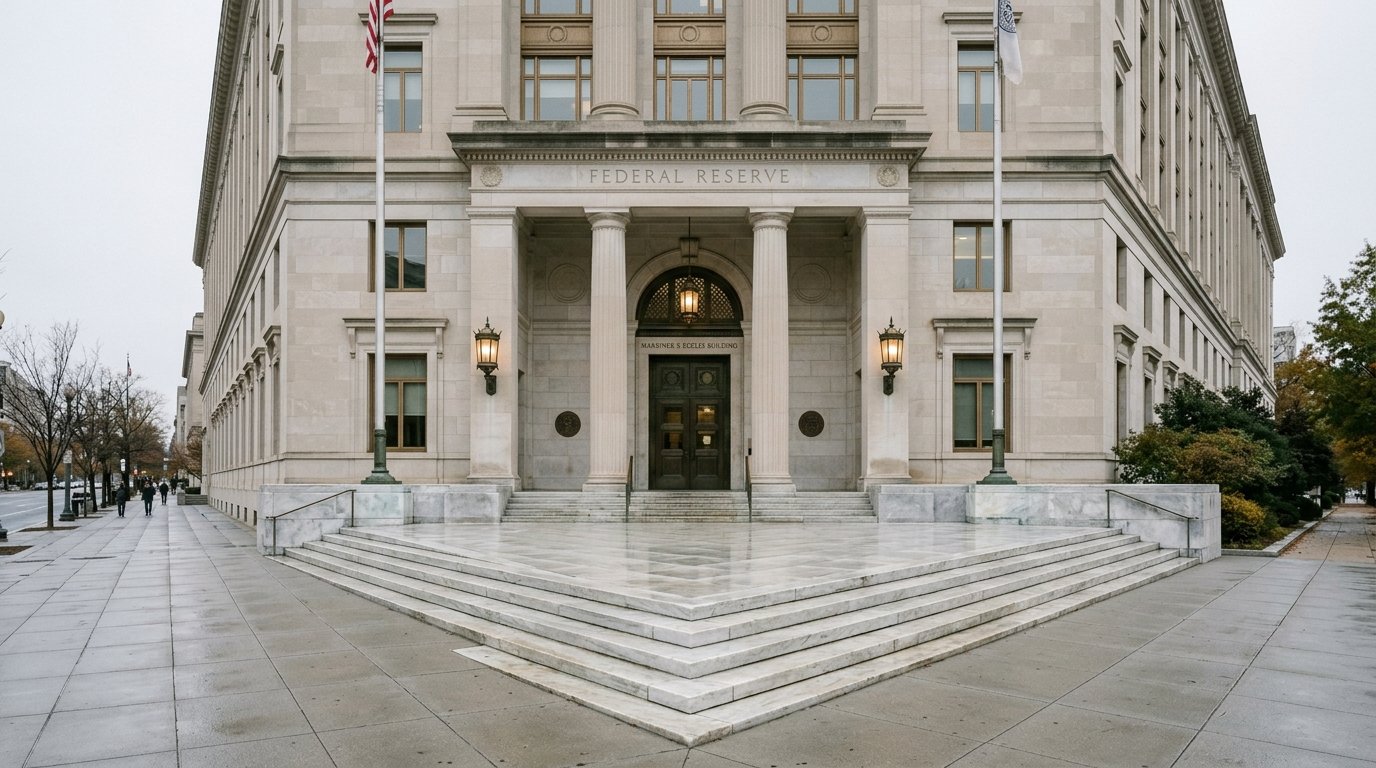
The Federal Reserve finalized rules to halve stress-test capital volatility using two-year averaging and mandate annual public comment on supervisory models.

The 10-year U.S. Treasury yield closed the third quarter at 5.29% as benchmark borrowing rates logged an 85-basis-point quarterly surge across debt markets.

As the 10-year Treasury yield reaches 5.17%, corporate borrowing costs are surging across the $4.1T AI buildout, pushing high-yield coupons near 10%.

Learn how adjustable-rate mortgages work: the SOFR reference index, lender margins, 2/2/5 cap structures, and exact reset payment math.

30-year fixed mortgage rates jumped back above 7% as the 10-year Treasury touched 5% and MBS spreads widened. Here is what is driving borrowing costs.

As the 10-year Treasury yield clears 5.00%, Bank of America calls the century-worst bond slump a generational entry point for patient capital.