TSMC Q3 2026 Profit Surges 69% as 2nm Node Revenue Debuts
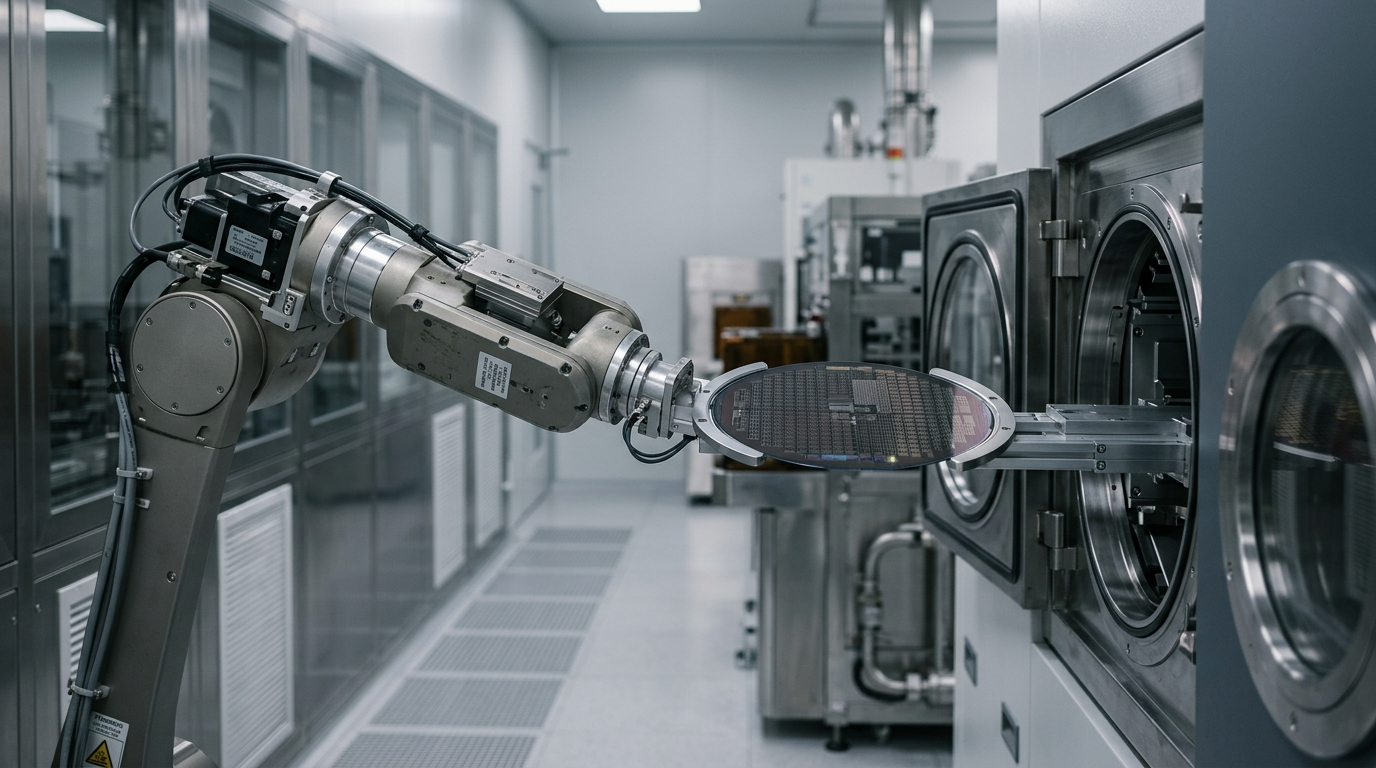
TSMC reported Q3 2026 net profit up 68.7% to NT$763.06B with 2nm shipments debuting at 8% of wafer sales, guiding Q4 revenue to between $52.3B and $54.3B.

Learn how stocks, bonds and capital markets work. Explore plain-English explanations, worked examples and charts, then follow related coverage to connect market concepts with current events. Find your way around ECMSource.
TSMC reported Q3 2026 net profit up 68.7% to NT$763.06B with 2nm shipments debuting at 8% of wafer sales, guiding Q4 revenue to between $52.3B and $54.3B.

Learn how the Producer Price Index (PPI) measures wholesale inflation, how final demand differs from CPI, and how pipeline costs feed into the Fed’s PCE gauge.

Morgan Stanley reported Q3 2026 net revenues of $20.3 billion and net income of $4.9 billion, driven by $232 billion in net new wealth assets.

What the breakeven inflation rate is, how to calculate it from nominal Treasuries and TIPS, and how bond markets price future inflation expectations.

Goldman Sachs reported Q3 2026 net earnings of $5.29 billion as equities trading jumped 72% and investment banking fees reached $3.22 billion.

Learn how banks calculate the provision for credit losses under CECL, build the allowance for credit losses (ACL), and absorb loan charge-offs.

UnitedHealth Group reported Q3 2026 operating earnings of $6.6B on $112.7B in revenue, cutting its medical care ratio to 88.4% and raising full-year adjusted EPS guidance.

Learn how to read the CFTC Commitments of Traders (COT) report, decode commercial hedgers vs speculators, and interpret institutional futures positioning.

Albertsons demands $9.3B from Kroger in Delaware Chancery Court, seeking lost shareholder premium and a $600M breakup fee ahead of trial.

Why U.S. stock exchanges trade as normal on Columbus Day while bond markets close and bank wires pause, plus T+1 settlement mechanics.