Gamma Squeeze Explained: Why GameStop Wasn’t One
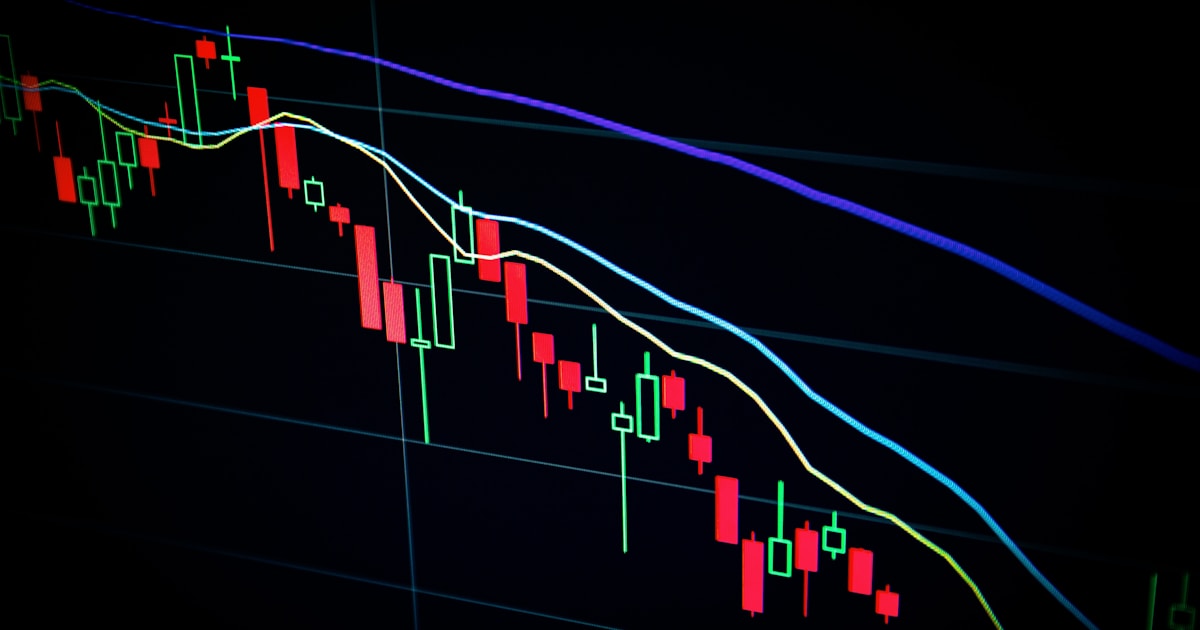
A gamma squeeze forces dealers hedging calls to buy stock, pushing it higher. Here’s the mechanism, how to spot one, and why GameStop wasn’t one.

A gamma squeeze forces dealers hedging calls to buy stock, pushing it higher. Here’s the mechanism, how to spot one, and why GameStop wasn’t one.
How US market circuit breakers halt trading — the 7%, 13%, 20% S&P 500 triggers and the single-stock LULD bands that pause runaway moves.
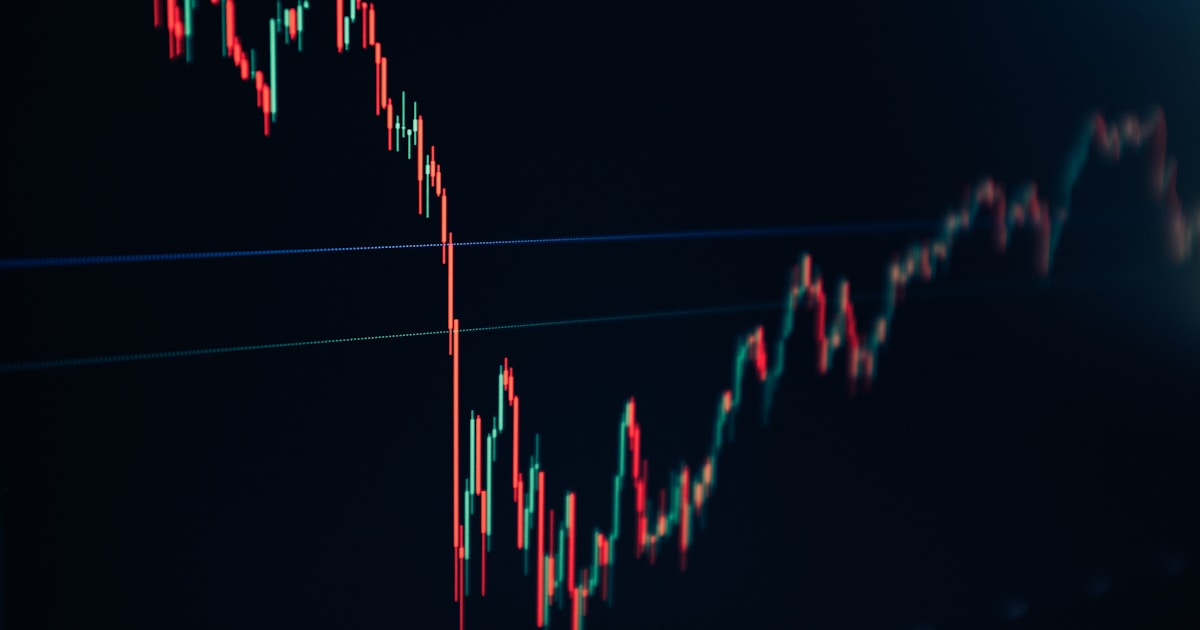
How the Relative Strength Index measures momentum, why 70/30 aren’t magic numbers, and how RSI divergence warns of trend exhaustion.

SMA and EMA in plain English: exact formulas, a worked example, the 50/200 Golden Cross, and the traps that fool most traders.

Bond duration and convexity in plain English: what they measure, the formulas that matter, worked examples on real Treasury yields, and the traps that catch retail investors.

TQQQ, SQQQ, SOXL: leveraged and inverse ETFs reset every day. Here is why 3x can fall 53% while its index rises 8%, and when to use them anyway.

How Section 10(b), Rule 10b-5, Form 4 filings, and 10b5-1 trading plans separate legal insider activity from federal crimes.
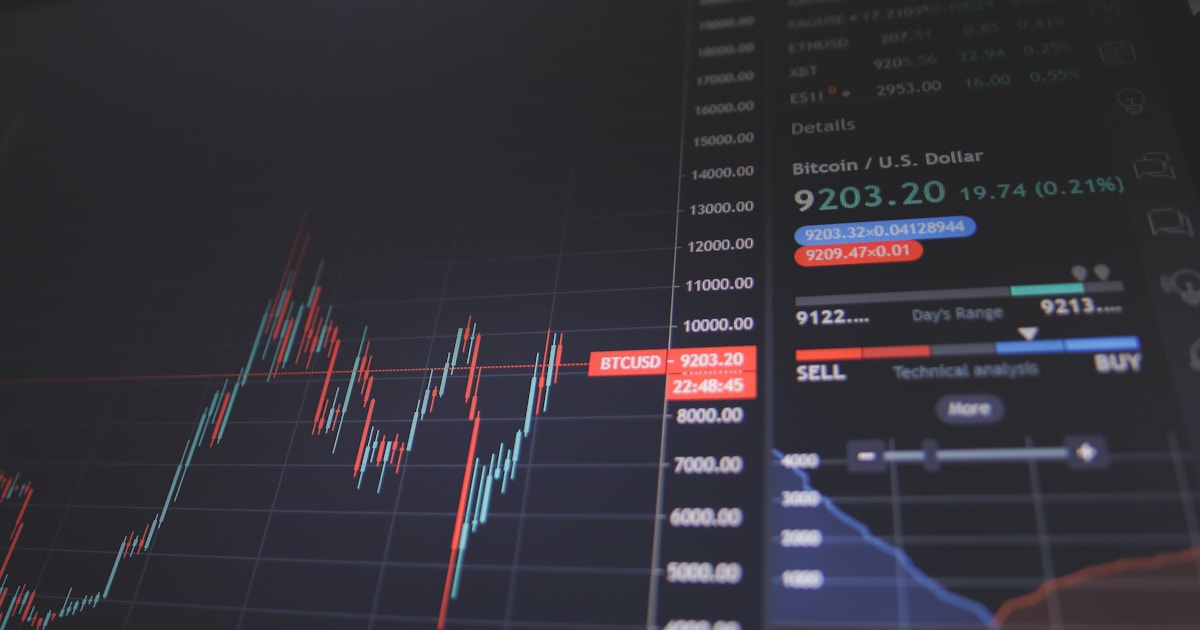
Sharpe ratio, made simple: the formula, a worked example, long-run values for stocks, bonds, and Berkshire, and the traps that make it lie.

American Depositary Receipts let U.S. investors buy foreign stocks in dollars on U.S. exchanges. How they work, in plain English.
Delta, gamma, theta, vega, and rho decoded: what each Greek measures, how they move an option’s price, and the mistakes that quietly cost traders money.