Treasury Yields Spike as Q3 Closes: 10-Year Hits 5.29%

The 10-year U.S. Treasury yield closed the third quarter at 5.29% as benchmark borrowing rates logged an 85-basis-point quarterly surge across debt markets.

The 10-year U.S. Treasury yield closed the third quarter at 5.29% as benchmark borrowing rates logged an 85-basis-point quarterly surge across debt markets.

Why do 10-year Treasury yields move opposite to Fed rate cuts? Learn how the Fed sets overnight rates while markets price inflation, growth, and term premium.

Understand the four yield curve regimes: bull steepener, bear steepener, bull flattener, and bear flattener, what drives them, and how they impact markets.
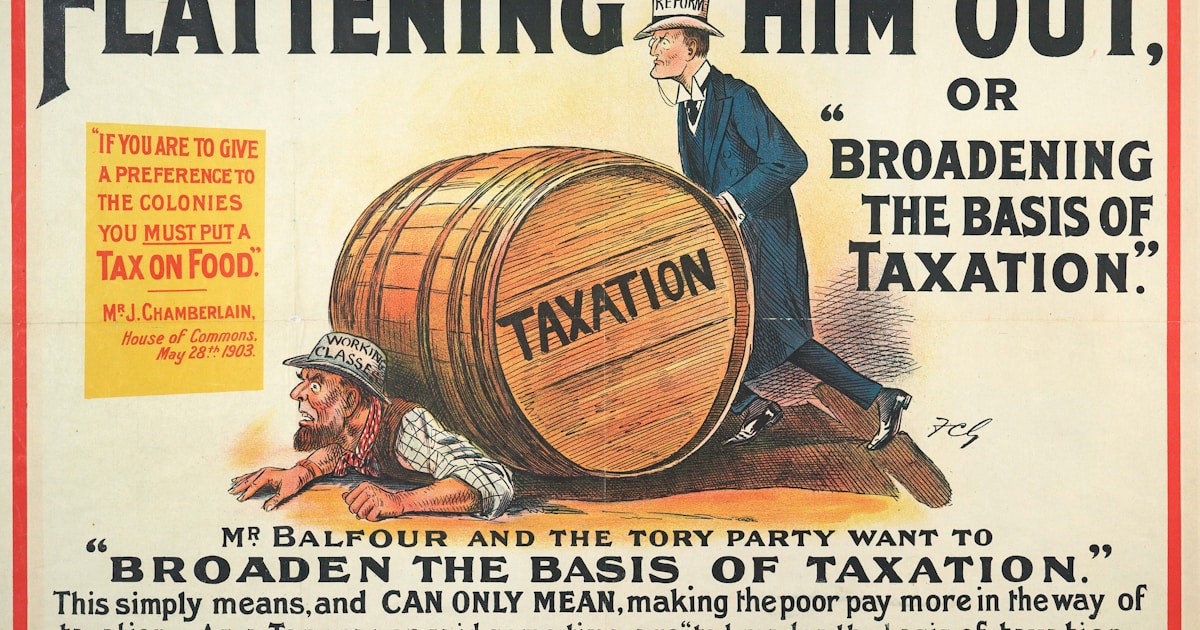
The 30-year Treasury yield touched 5.17% on July 23, a multi-year high, and the curve steepened sharply after the July FOMC. Here is what is driving it.
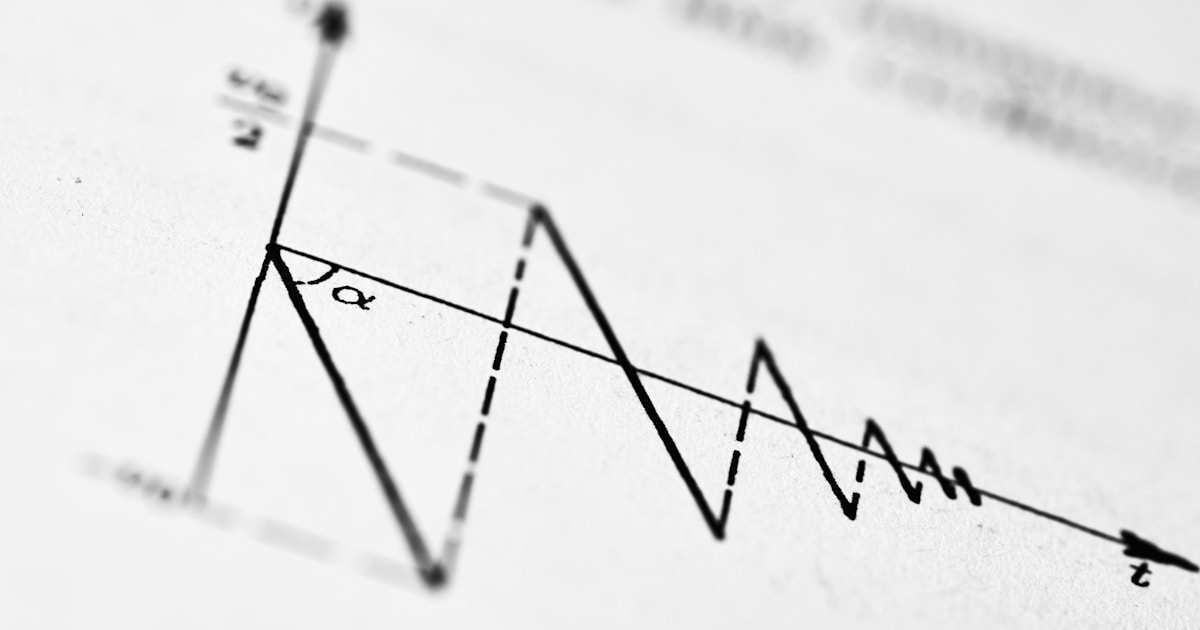
How the U.S. Treasury yield curve works, why its shape matters, what inversion has and hasn’t predicted, and how to read today’s curve.
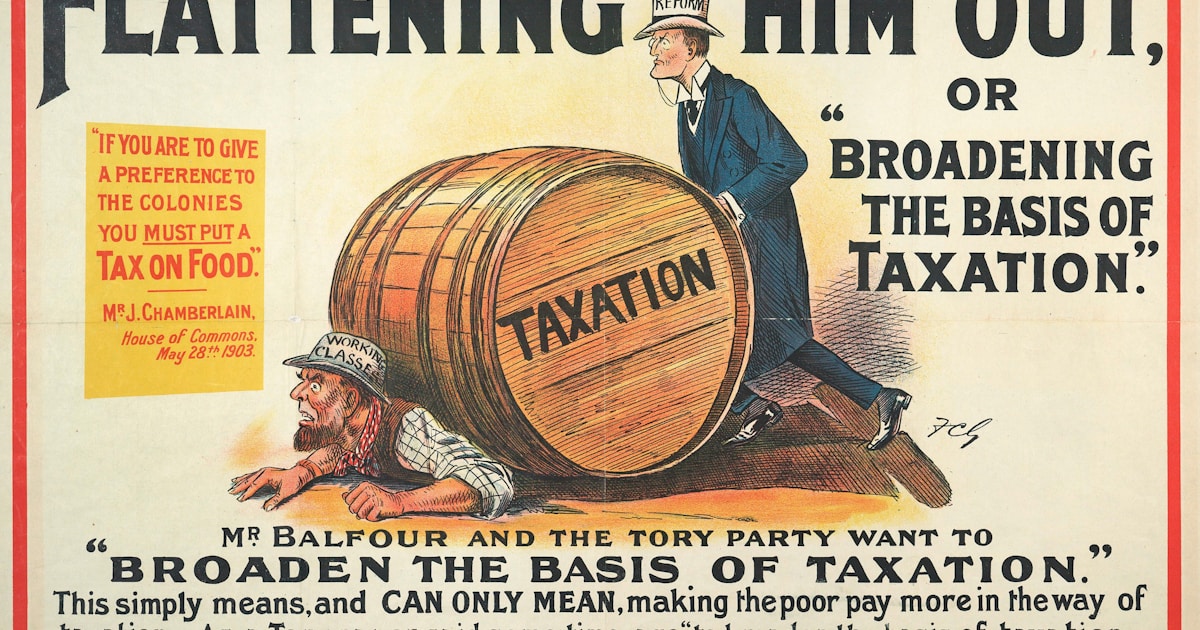
T-Bills, T-Notes, and T-Bonds explained: maturities, coupon math, auction schedule, and the live June 2026 yield curve, with worked examples.
What the Treasury yield curve is, what each shape means, and why inversion has preceded every U.S. recession since the late 1960s.

The 30-year Treasury yield is at 4.94% as the Fed holds at 3.50-3.75% and nine officials pencil in 2026 rate hikes. What it means for markets.
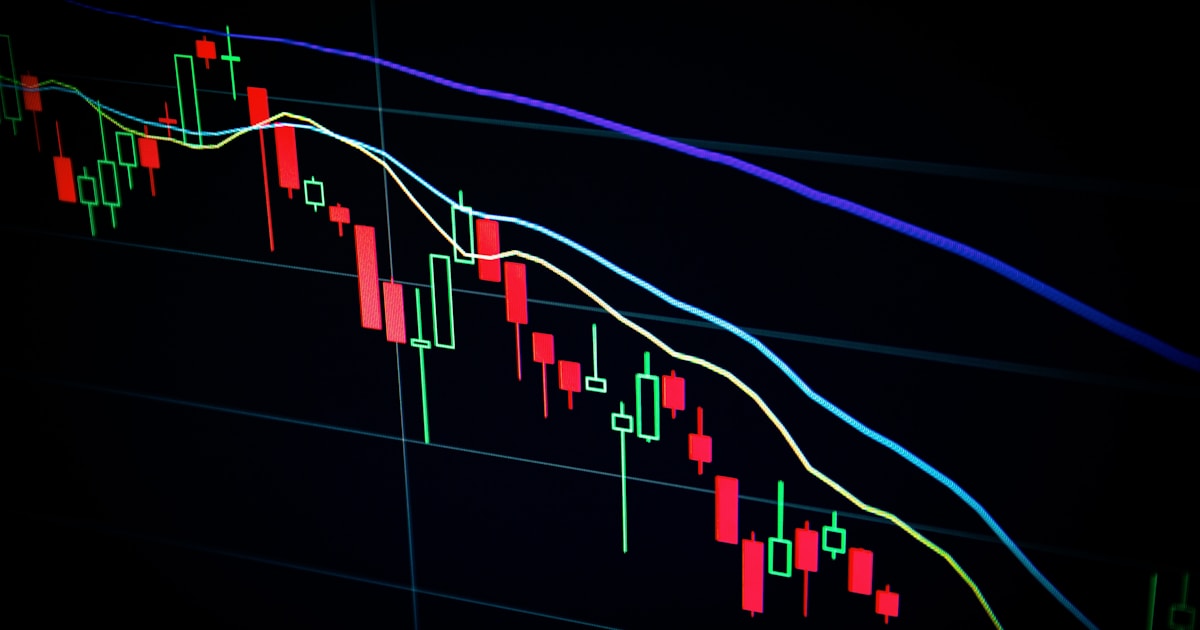
What the Treasury yield curve is, why its shape matters, how inversions have historically preceded U.S. recessions, and how to read it.

Term premium is the extra yield bonds pay beyond expected short rates. Here’s how the NY Fed measures it and what’s pushing it higher in 2026.