Repo and Reverse Repo Explained: How Funding Plumbing Works

How the repo market actually works — collateral, haircuts, SOFR, the Fed’s ON RRP, and why the $2.5T overnight RRP facility drained to almost zero in 2026.

How the repo market actually works — collateral, haircuts, SOFR, the Fed’s ON RRP, and why the $2.5T overnight RRP facility drained to almost zero in 2026.
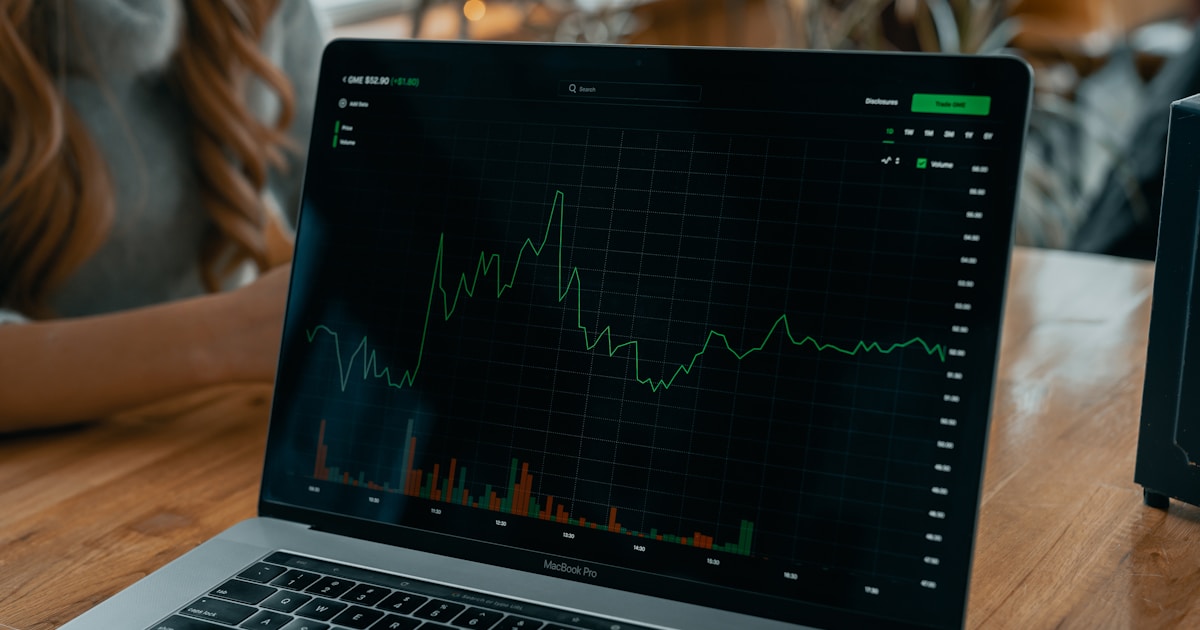
Bond duration measures how much a bond’s price moves when yields change. Here’s the math, a worked example, and why long Treasuries got crushed in 2026.

DCF values a company as the present value of its future free cash flow. Here is the formula, a worked example, and the three inputs that break it.

From S-1 filing to the greenshoe, how a private company actually goes public — underwriters, the roadshow, pricing, allocations, and stabilization.

How share repurchases actually work — open-market vs ASR vs Dutch auction, the EPS math that drives them, SEC Rule 10b-18, and the 1% excise tax.
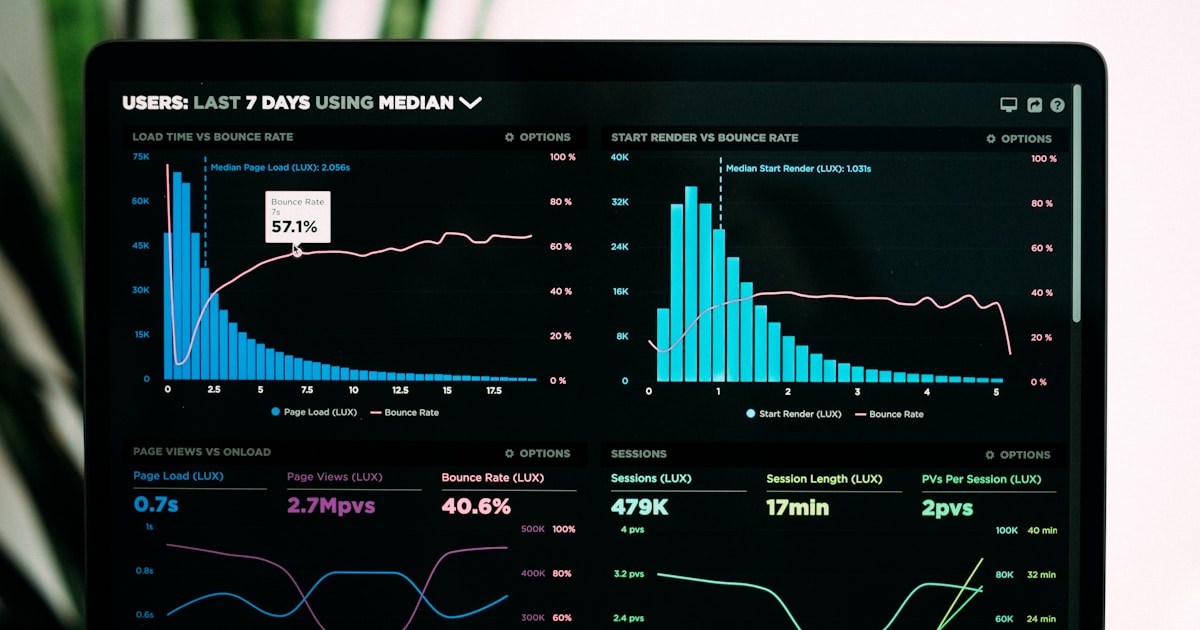
Enterprise value captures the debt and cash that market cap ignores. Here’s the EV formula, the EV/EBITDA multiple, a worked example, and when it misleads.

How buyout funds use debt to acquire companies — the capital stack, IRR math, value-creation levers, and when LBO math breaks.

How ETFs really work: authorized participants, the creation/redemption mechanism, in-kind tax efficiency, premiums/discounts to NAV, and Rule 6c-11.

How convertible bonds work: conversion ratio, conversion premium, the bond floor, convertible arbitrage, and the four main types of converts.

What a hedge fund actually is, the 2-and-20 fee structure with high-water marks, the four main strategies, and how hedge funds differ from mutual funds, PE, and VC.