Bond Duration and Convexity Explained

Duration measures a bond’s price move per 1% yield change; convexity is the correction that matters when rates move a lot. The math, with examples.

Duration measures a bond’s price move per 1% yield change; convexity is the correction that matters when rates move a lot. The math, with examples.

Warrants look like call options but are issued by the company and create new shares on exercise — a dilution difference that reshapes pricing and risk.
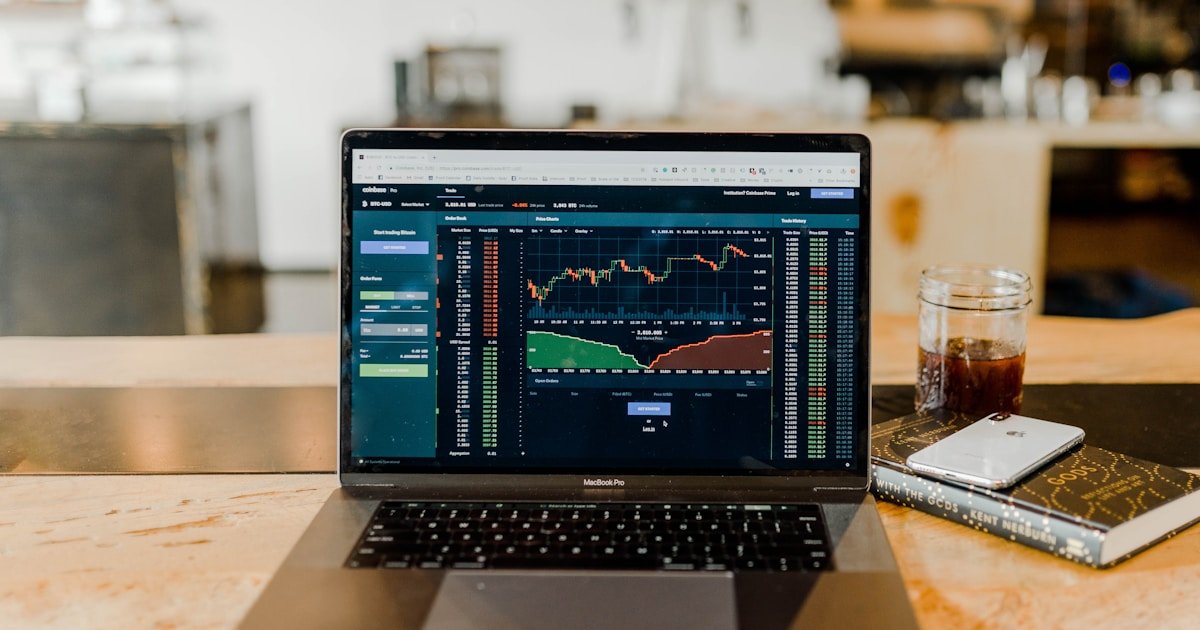
How PE funds are structured: GPs, LPs, 2-and-20, carried interest, hurdle rate, and the distribution waterfall — with a worked example on a $1B fund.

Spot bitcoin ETFs explained: the January 2024 approval, how authorized participants mint and redeem shares, cash vs in-kind, Coinbase custody, and where fees really bite.
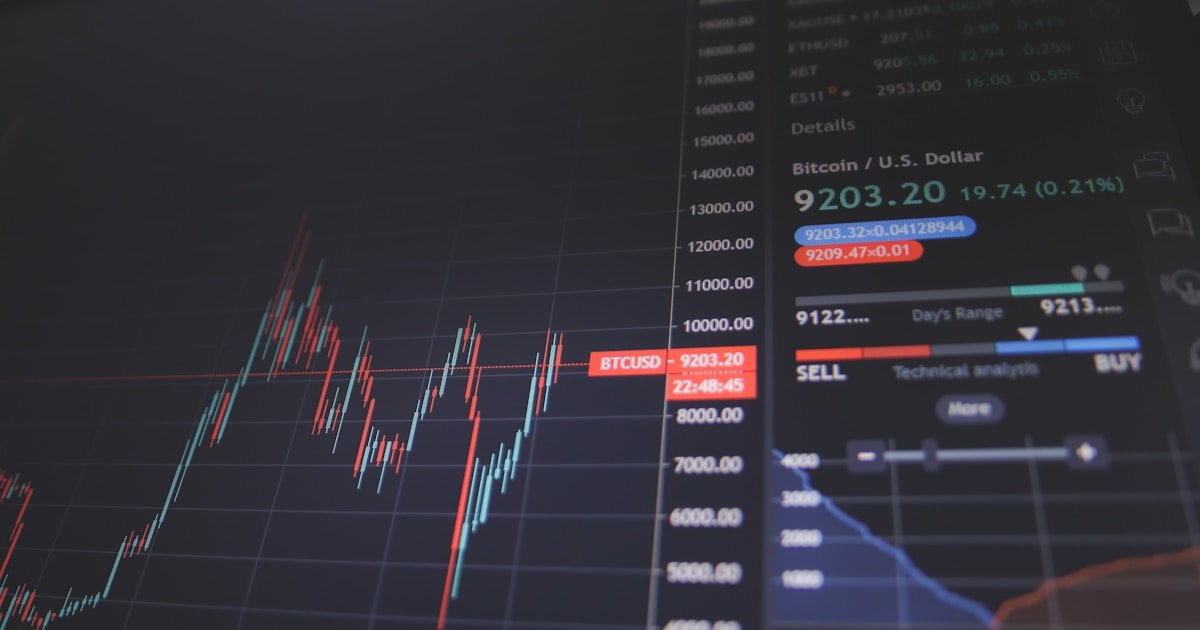
IPO 101 with real numbers: what an S-1 filing is, how bookbuilding sets the price, why greenshoes and lock-ups exist, and what first-day pops mean.
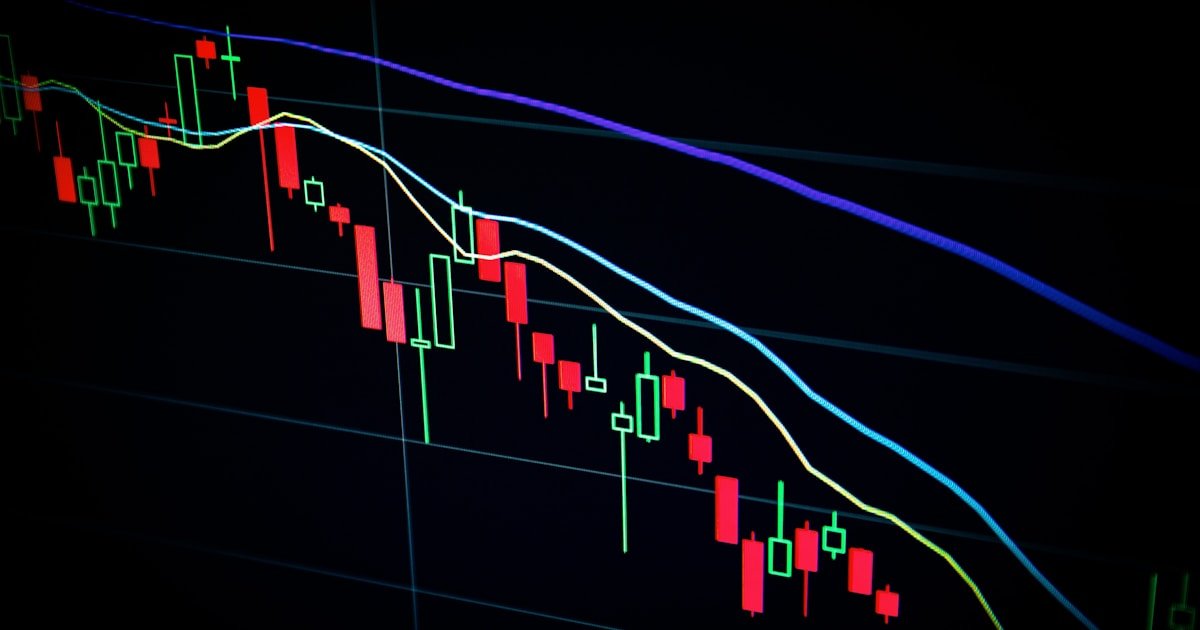
Quad witching is really triple witching now: three contract types expire on the third Friday of Mar, Jun, Sep, Dec. Here’s the real mechanics.

What is a convertible bond? Coupon savings, conversion premium, dilution risk, and how hedge funds run convertible arbitrage — with real examples.

VWAP is the intraday benchmark institutions and traders share. Learn the formula, how to read it, and where it misleads.

The VIX measures expected S&P 500 volatility over the next 30 days. Here is how it is calculated, what levels mean, and where it misleads.

A clear, math-honest guide to the five Greeks — with a worked Black-Scholes chain, delta and theta charts, and sources you can verify.