The 90/10 Portfolio: Buffett’s Asset Allocation Rule Explained

Warren Buffett recommended a 90/10 portfolio: 90% in an S&P 500 index fund and 10% in short-term Treasuries. Here is how the strategy works and its risks.

Warren Buffett recommended a 90/10 portfolio: 90% in an S&P 500 index fund and 10% in short-term Treasuries. Here is how the strategy works and its risks.

Compare TreasuryDirect and brokerage accounts for buying Treasuries. Learn how auction bidding, secondary liquidity, transfer rules, and SIPC limits differ.

Learn how bond ladders work, how to build a Treasury ladder for steady cash flow, and how laddering balances interest rate risk and reinvestment risk.

Understand why Treasury bills quote both a discount rate and investment yield, how the 360 vs 365-day math works, and how to calculate your true return.

Compare hypothetical after-tax yields, deposit coverage, Treasury backing, and access to cash using primary government sources.

Berkshire Hathaway’s Q2 10-Q shows $324.9B in Treasury bills and $40.6B in cash — a $365.5B war chest and a signal to fixed-income markets.
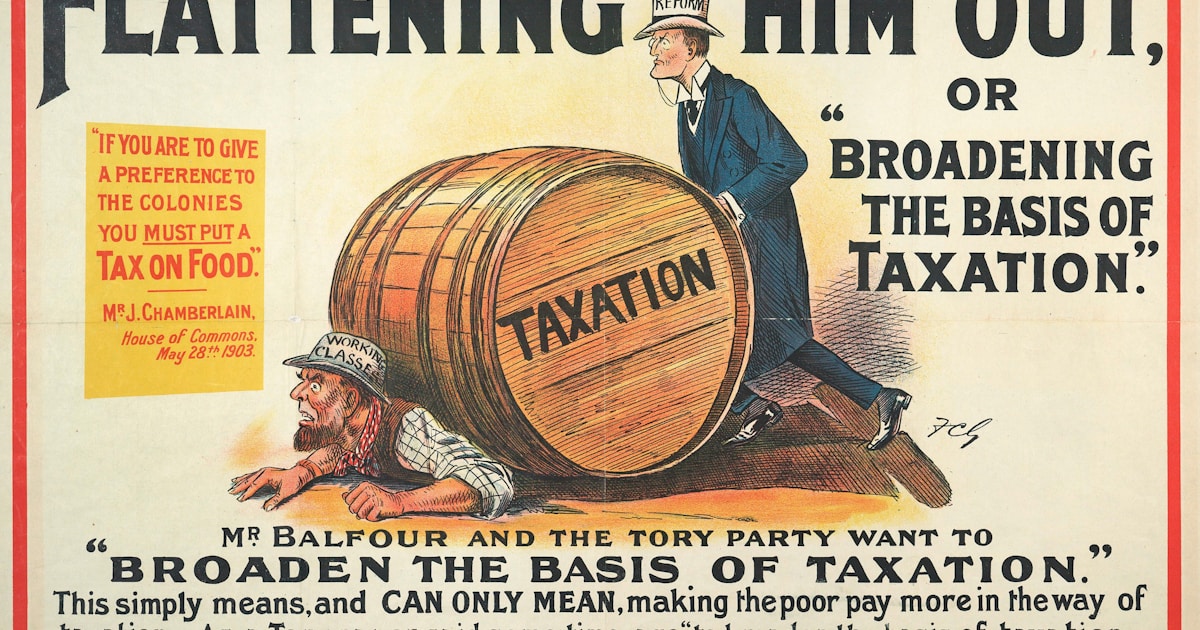
T-Bills, T-Notes, and T-Bonds explained: maturities, coupon math, auction schedule, and the live June 2026 yield curve, with worked examples.
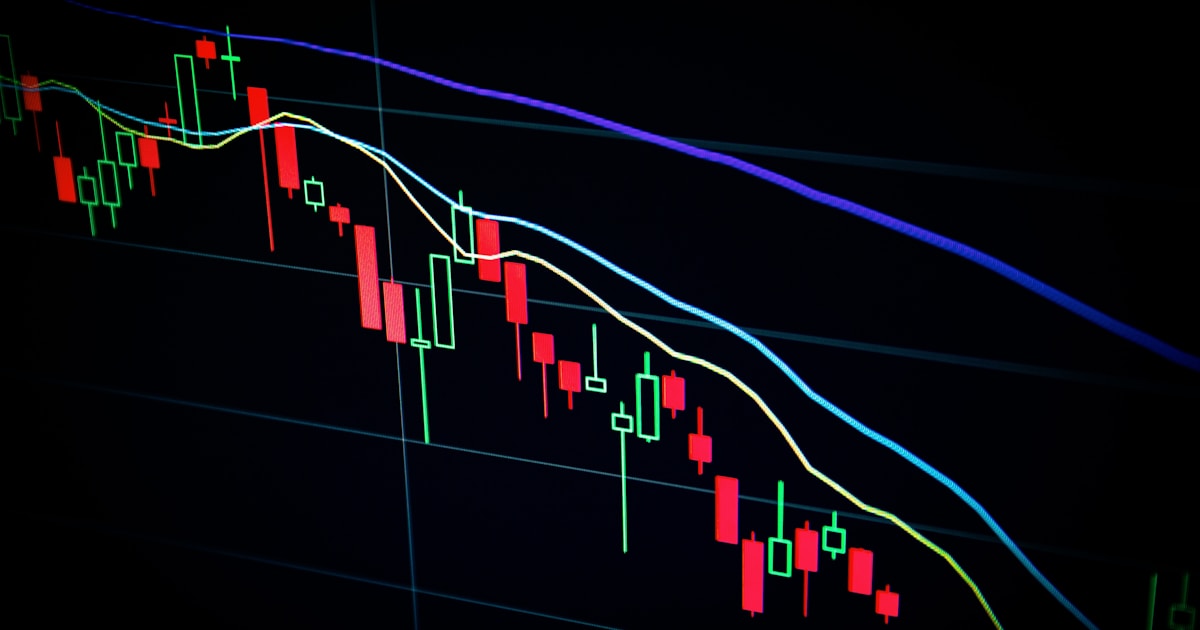
Six months after the Fed ended balance sheet runoff, its portfolio shows a clean pivot: Treasury holdings up $275B YoY, agency MBS down $191B.

US money market fund assets climbed to a record $7.92 trillion the week ending June 17, 2026, with institutional money driving the latest leg up.

Money market funds hold a record $7.89 trillion. Here’s how MMFs work, what drives their yields, the 2023 SEC reforms, and where the real risks hide.