Callable Bonds Explained: Call Protection, YTC and Risks

Learn how callable bonds work, why issuers redeem debt early, how to calculate Yield to Call vs. YTM, and how call protection impacts investor returns.

Learn how callable bonds work, why issuers redeem debt early, how to calculate Yield to Call vs. YTM, and how call protection impacts investor returns.

The 10-year U.S. Treasury yield closed the third quarter at 5.29% as benchmark borrowing rates logged an 85-basis-point quarterly surge across debt markets.

Sabre closed a $1.35B senior notes offering due 2032 to refinance 2029 debt, cutting coupons by up to 125 bps and extending maturities by three years.

Learn how Treasury Floating Rate Notes (FRNs) work, how their weekly index rate and fixed spread are determined, and why they carry near-zero duration.

As the 10-year Treasury yield clears 5.00%, Bank of America calls the century-worst bond slump a generational entry point for patient capital.

Understand the four yield curve regimes: bull steepener, bear steepener, bull flattener, and bear flattener, what drives them, and how they impact markets.

The 10-year yield jumped 12 bp to 4.95% Sept. 10, its highest since Oct 2023, as the S&P 500 fell 0.58% for a fourth straight day ahead of Thursday’s CPI.
Why an inverted yield curve preceded every US recession since 1969, what the 10Y-2Y and 10Y-3M spreads measure, and the 2022 inversion that broke the pattern.
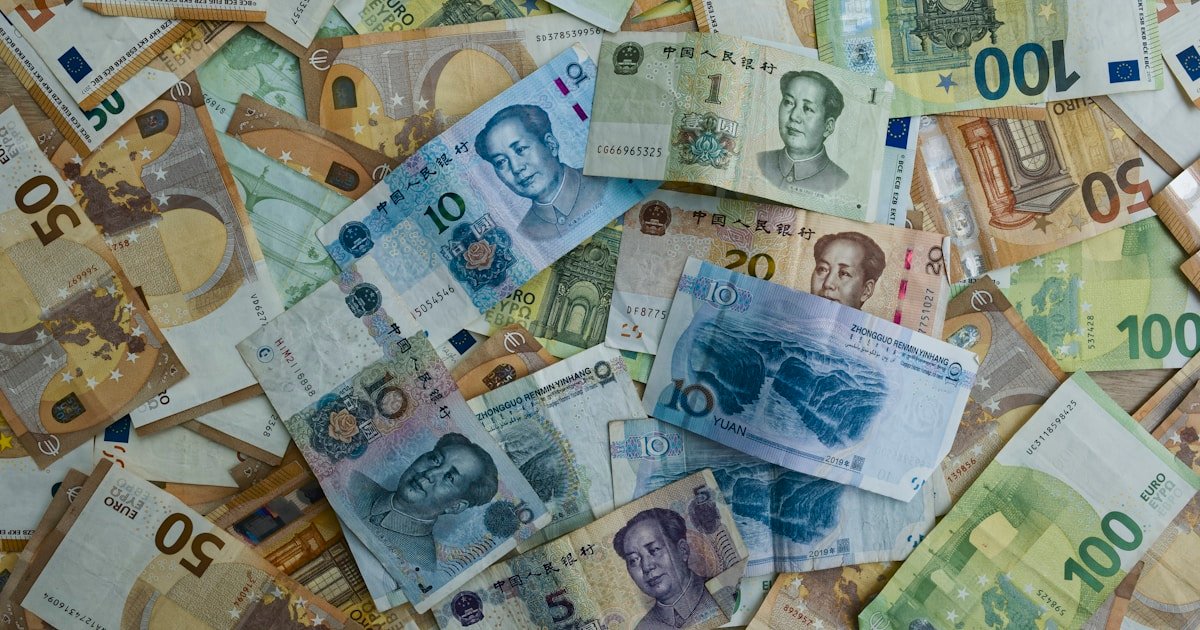
Yankee, Samurai, Kangaroo, Panda, Dim Sum — a field guide to foreign-currency bonds: what each is, where it trades, who regulates it, and why issuers use them.
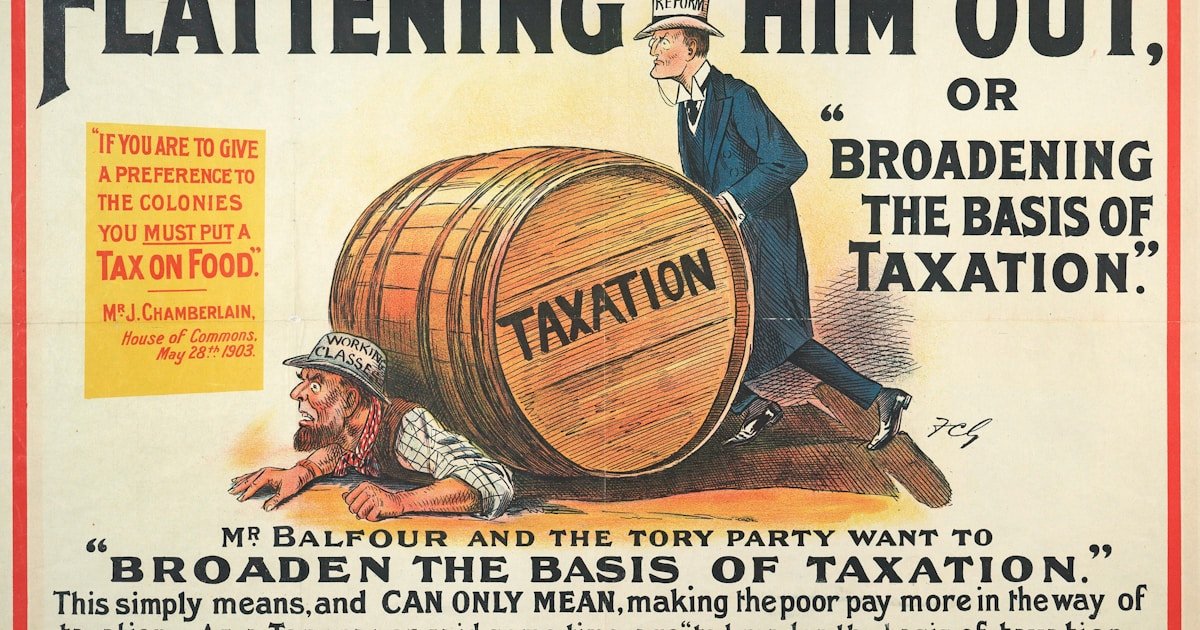
Bessent’s doubled long-end buybacks pulled the 10Y from 4.72% to 4.65% in a session. More than half the rally was gone by the next close.