Treasury Doubles Long-End Bond Buybacks to $4B Per Op

Treasury will at least double liquidity-support buybacks in the 10-30Y sector to $4B per operation starting Sept 9. Bessent signals more could come.

Treasury will at least double liquidity-support buybacks in the 10-30Y sector to $4B per operation starting Sept 9. Bessent signals more could come.
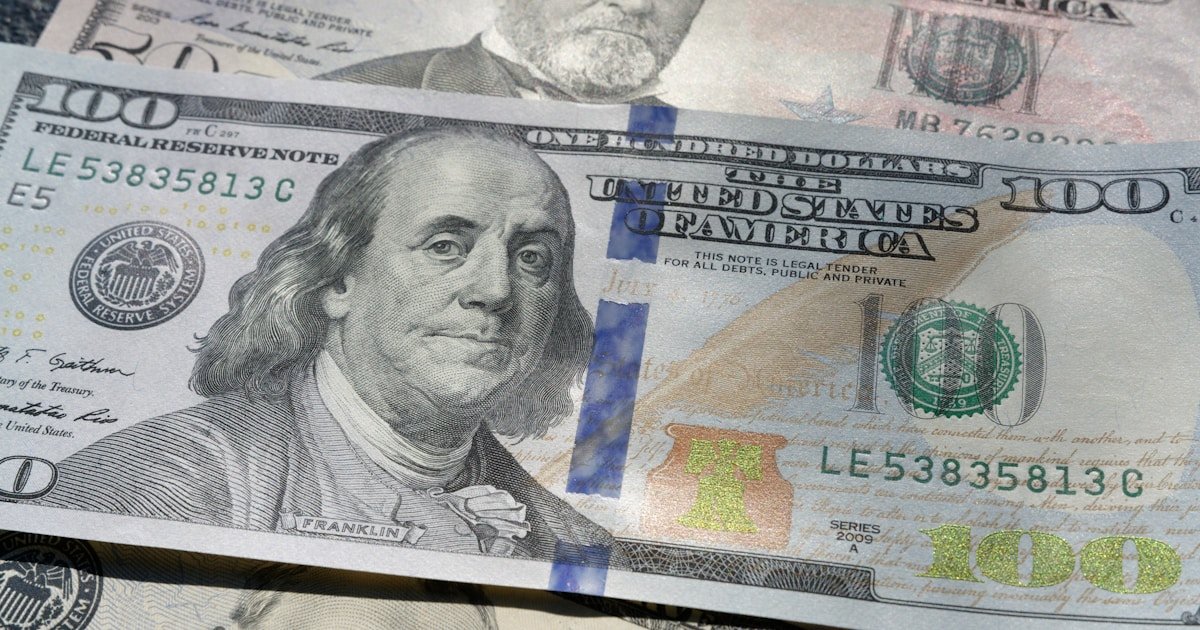
US public debt topped $40 trillion on Aug 18, 2026, per Treasury. The last two trillion arrived in about five months each.
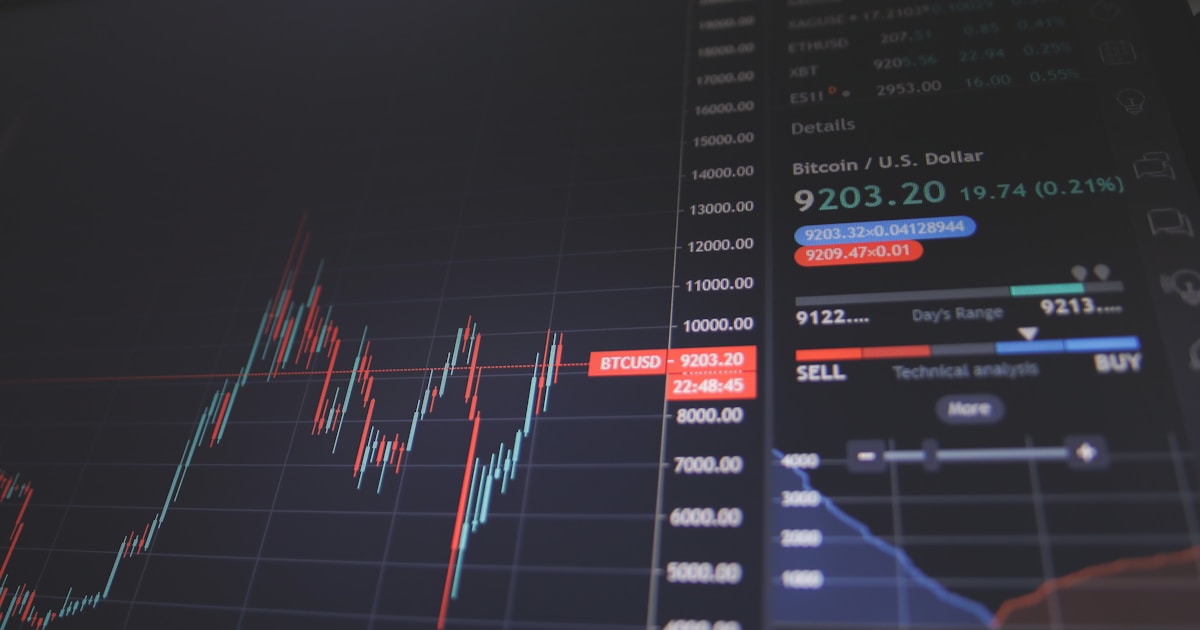
Long-dated sovereign yields hit multi-year highs across the US, UK, Germany, and Japan in mid-August 2026 as buyers demand more term premium.

US investment-grade bond issuance is on a record 2026 pace, but buyers pulled 36% of orders this week after pricing was squeezed — twice the prior week.
The 30-year Treasury yield touched 5.17% on July 23, a multi-year high, and the curve steepened sharply after the July FOMC. Here is what is driving it.

Kevin Warsh’s second FOMC meeting begins today with the fed funds rate at 3.50-3.75% and PCE at 4.1%. Here is what bond investors are watching.

How the U.S. Treasury yield curve works, why its shape matters, what inversion has and hasn’t predicted, and how to read today’s curve.
What the Treasury yield curve is, what each shape means, and why inversion has preceded every U.S. recession since the late 1960s.

US corporate bond issuance hit $1.23T through May 2026 as hyperscalers tap the market to fund AI capex on a historic scale.

The Fed held rates 12-0 but its new dot plot now sees fed funds at 3.8% by year-end, above the current 3.5-3.75% band – a hawkish first move under Chair Warsh.