Bond Duration Explained: Why Yields Move Bond Prices

Bond duration measures how much a bond’s price moves when yields change. Here’s the math, a worked example, and why long Treasuries got crushed in 2026.

Learn how stocks, bonds and capital markets work. Explore plain-English explanations, worked examples and charts, then follow related coverage to connect market concepts with current events. Find your way around ECMSource.
Bond duration measures how much a bond’s price moves when yields change. Here’s the math, a worked example, and why long Treasuries got crushed in 2026.

Zoom’s Q1 FY27 filing disclosed its $51M Anthropic stake is now worth about $1.3B — roughly 25x in two years. What the markup means for corporate venture.

DCF values a company as the present value of its future free cash flow. Here is the formula, a worked example, and the three inputs that break it.

From S-1 filing to the greenshoe, how a private company actually goes public — underwriters, the roadshow, pricing, allocations, and stabilization.

How share repurchases actually work — open-market vs ASR vs Dutch auction, the EPS math that drives them, SEC Rule 10b-18, and the 1% excise tax.
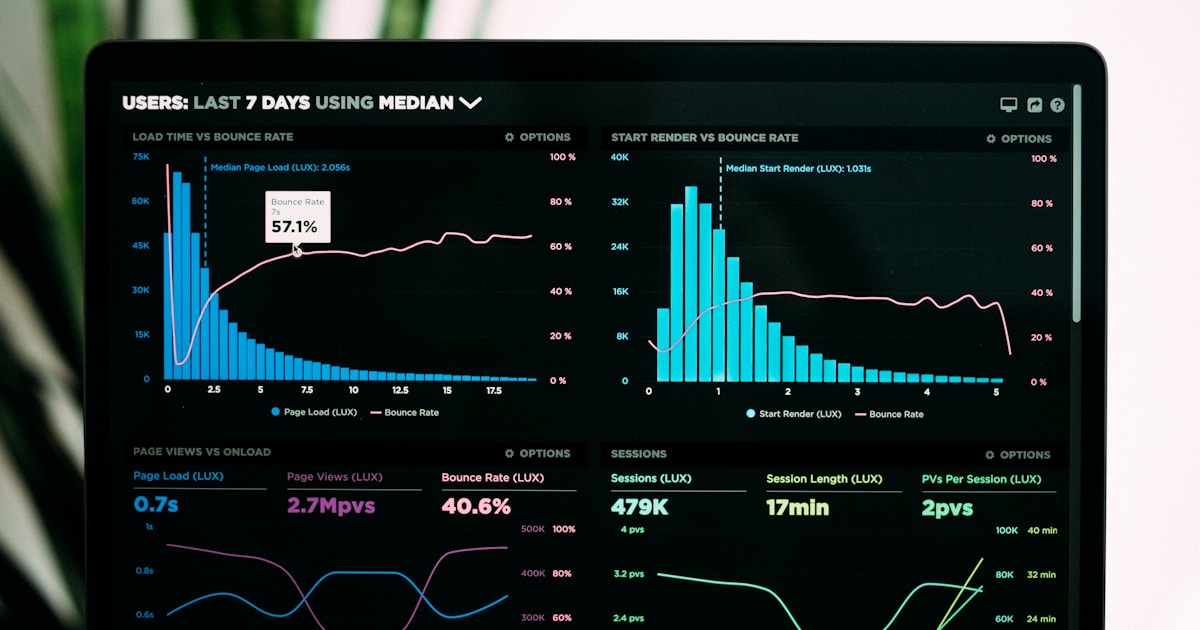
Enterprise value captures the debt and cash that market cap ignores. Here’s the EV formula, the EV/EBITDA multiple, a worked example, and when it misleads.

How buyout funds use debt to acquire companies — the capital stack, IRR math, value-creation levers, and when LBO math breaks.

Workday’s Q1 FY27 hit $2.54B in revenue and $616M in free cash flow; FY27 non-GAAP operating margin guidance was raised to 30.5%.
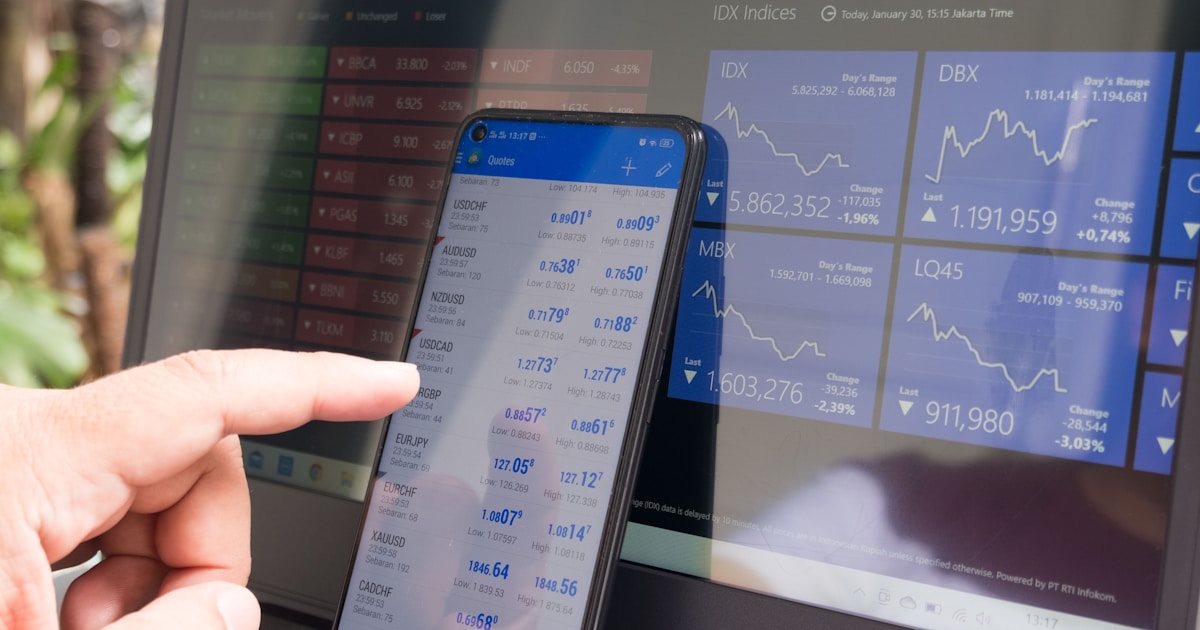
How ETFs really work: authorized participants, the creation/redemption mechanism, in-kind tax efficiency, premiums/discounts to NAV, and Rule 6c-11.

Bloomberg: Uber holds 19.5% of Delivery Hero plus 5.6% in options. A full bid on the EUR10B Frankfurt-listed delivery giant would reshape global food delivery.