The Yield Curve Explained: Shape, Inversion, and What It Signals
What the Treasury yield curve is, why its shape matters, how inversions have historically preceded U.S. recessions, and how to read it.

What the Treasury yield curve is, why its shape matters, how inversions have historically preceded U.S. recessions, and how to read it.
Duration measures bond price sensitivity to yield changes; convexity corrects the curve. Formulas, a worked example, and a snapshot table.

The Fed held rates 12-0 but its new dot plot now sees fed funds at 3.8% by year-end, above the current 3.5-3.75% band – a hawkish first move under Chair Warsh.

Treasury sells $24B in 5-year notes hours after the Fed decides June 17, then a 2y/5y/7y trio Jun 23-25 — ~$200B of supply in seven days.

The June 16-17 FOMC is Kevin Warsh’s first meeting with a fresh Summary of Economic Projections. Here’s what bond and credit markets are pricing.
Treasury sold $22B of 30-year bonds at 4.844% Thursday with a 2.43 bid-to-cover — average demand, a quiet rebound from May’s first-above-5% scare.

Term premium is the extra yield bonds pay beyond expected short rates. Here’s how the NY Fed measures it and what’s pushing it higher in 2026.

Kevin Warsh took the oath as Fed chair on May 22, 2026, inheriting an 8-4 FOMC and a 30-year Treasury near 5%. June 16-17 is his first meeting.
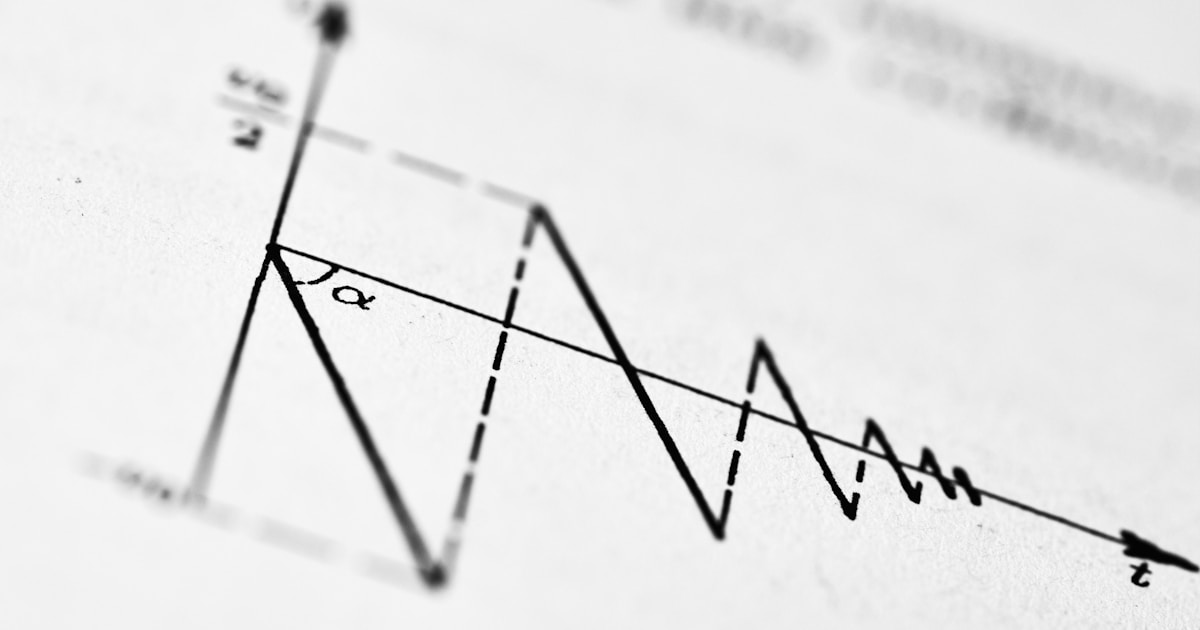
What the yield curve is, why inversion has preceded every US recession since 1970, and how to read the current US Treasury curve as of June 1, 2026.
The US 2-year Treasury yield is near a 52-week high at 4.07% as traders price out Fed rate cuts for the rest of 2026.