Accenture Beats on Q3 EPS, Cuts Guide, ACN Crashes 17%

Accenture beat Q3 FY26 with $3.80 EPS and $18.7B revenue, but trimmed full-year growth to 3-4% local currency. ACN fell 17% to a 52-week low near $129.

Accenture beat Q3 FY26 with $3.80 EPS and $18.7B revenue, but trimmed full-year growth to 3-4% local currency. ACN fell 17% to a 52-week low near $129.

Duration measures bond price sensitivity to yield changes; convexity corrects the curve. Formulas, a worked example, and a snapshot table.

The Fed held rates 12-0 but its new dot plot now sees fed funds at 3.8% by year-end, above the current 3.5-3.75% band – a hawkish first move under Chair Warsh.

Tim Cook told the WSJ that Apple price increases are ‘unavoidable’ after AI-driven memory chip costs hit a ‘hundred-year flood.’ AAPL fell 1.1% to $295.95.

Spinoffs detach a subsidiary into its own public stock. Here’s how Section 355 keeps the deal tax-free, plus the FedEx Freight playbook.

Private credit loan issuance fell to $45B in the three months through May 2026 — a 40% drop from Q1 — as BDC redemption queues forced gates.

Intel said its 18A-P node entered risk production at the VLSI Symposium, but INTC fell 8.45% to $117.05 as a 217% YTD run met a stretched consensus.
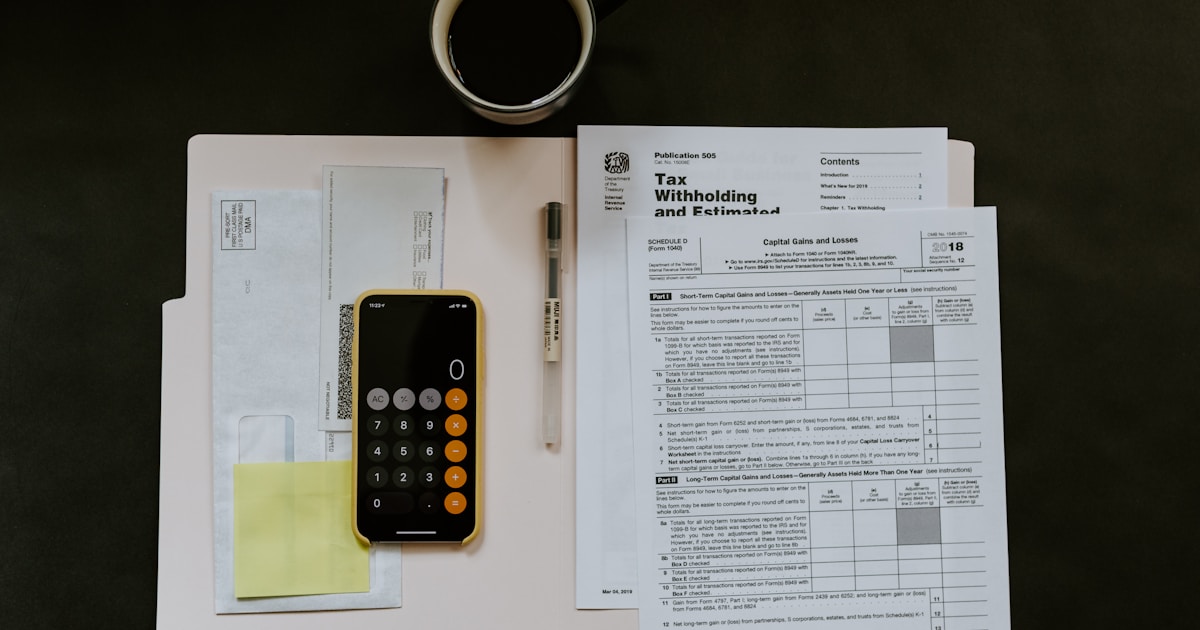
How tax-loss harvesting works, the 61-day wash sale window, and what counts as ‘substantially identical’ under the 2026 capital gains brackets.

Treasury sells $24B in 5-year notes hours after the Fed decides June 17, then a 2y/5y/7y trio Jun 23-25 — ~$200B of supply in seven days.

Yum Brands is offloading Pizza Hut for $2.7 billion in a two-part deal with LongRange Capital and Yum China to refocus on KFC and Taco Bell.