How to Read FOMC Minutes: Fed Speak, Nuance, and Signals

Learn how to read FOMC minutes: decode the three-week lag, calibrated Fed speak quantifiers, and the critical signals that move bond and stock markets.

Learn how stocks, bonds and capital markets work. Explore plain-English explanations, worked examples and charts, then follow related coverage to connect market concepts with current events. Find your way around ECMSource.
Learn how to read FOMC minutes: decode the three-week lag, calibrated Fed speak quantifiers, and the critical signals that move bond and stock markets.

HubSpot filed Form 8-K announcing 660 role cuts (~7% of staff) and $65M–$75M in restructuring charges while reaffirming its 2026 financial guidance.

Learn how index funds compare to active funds, why the arithmetic of active management dictates returns, and how fees, turnover, and taxes compound.
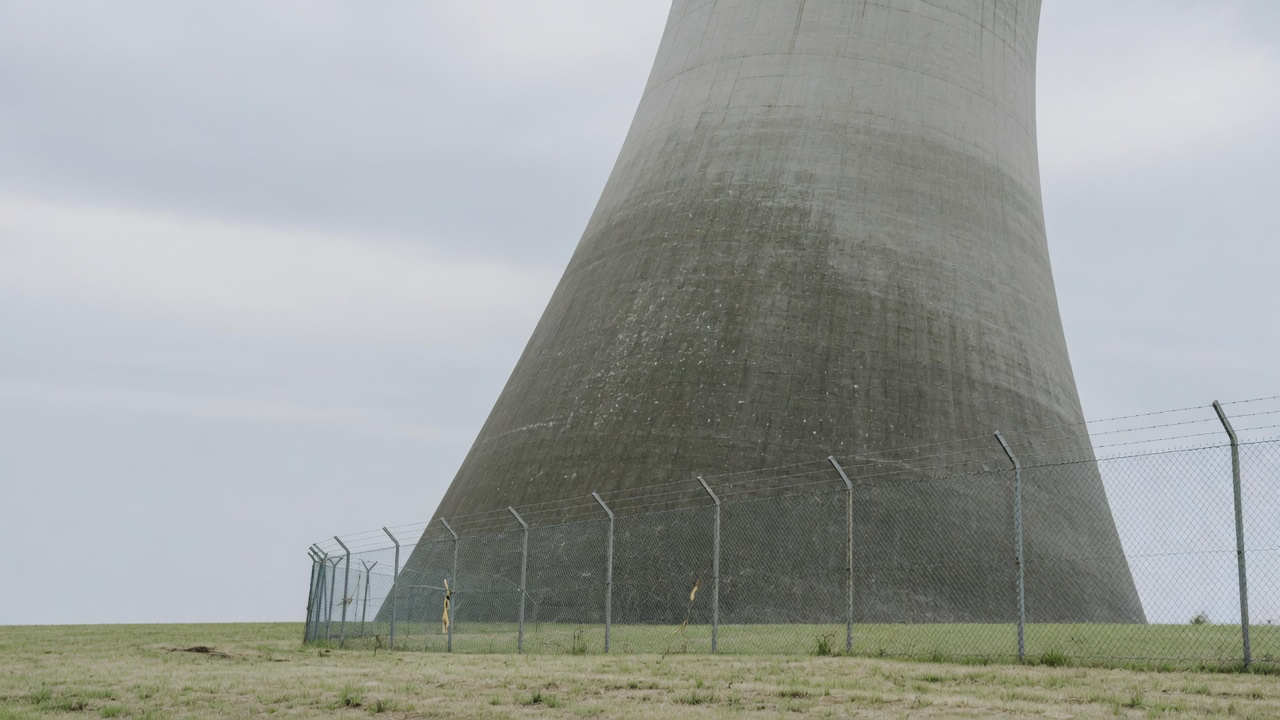
Constellation Energy shares surged 12% after Alphabet signed a $4.3 billion deal to add 890 MW of nuclear uprates across six plants on the PJM grid.

Compare FDIC and NCUA deposit insurance: coverage limits, DIF vs. NCUSIF backing, member shares vs. deposits, and how to maximize federal protection.
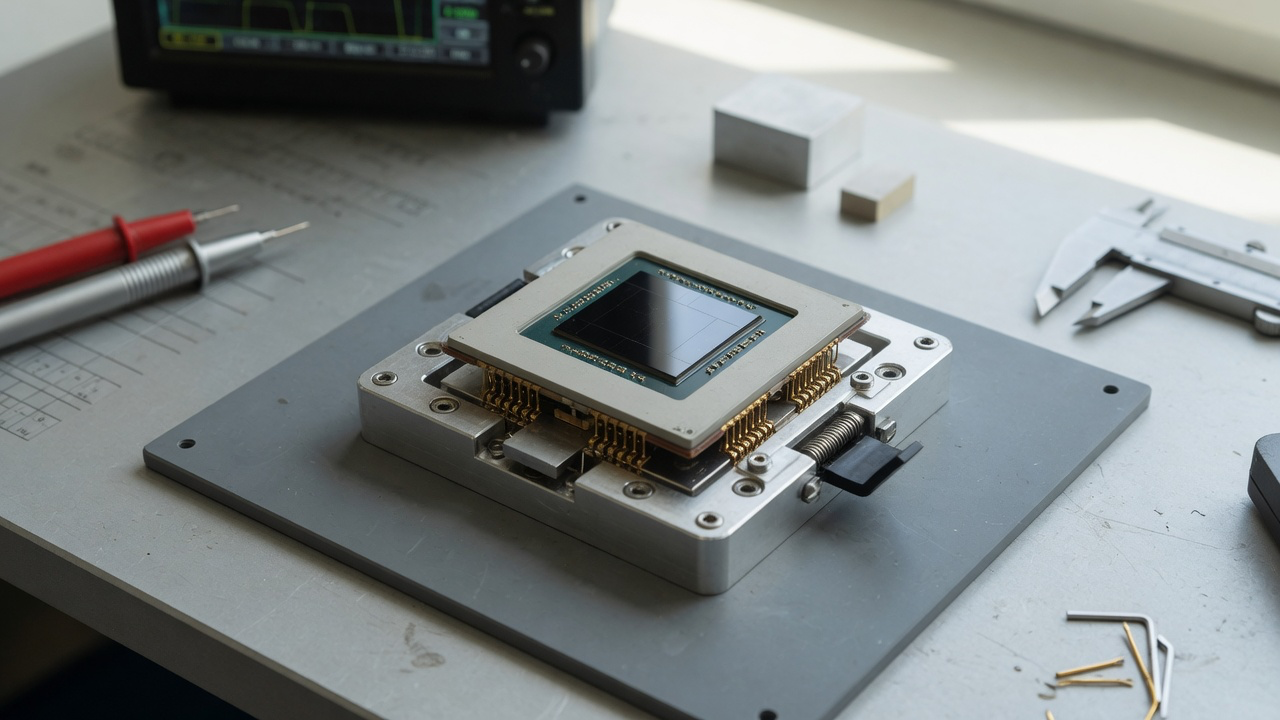
Marvell shares rallied after raising its fiscal 2028 revenue outlook to $20B at Investor Day, driven by surging hyperscaler custom AI chip demand.

Explore how primary dealers buy Treasuries at auction, execute Fed open market operations, provide secondary market liquidity, and fund operations via repo.

PTC rallied after Schneider Electric agreed to acquire the industrial software company for $205 per share in cash, valuing its equity at $22.6 billion.

Learn what Option-Adjusted Spread (OAS) is, how it strips embedded call risk from bond yields, and why credit investors use it to value corporate bonds.

Lucid delivered 3,806 vehicles and produced 2,954 in Q3 2026, cutting factory output to liquidate inventory as part of its $1.4B cash flow turnaround plan.