Bank of England Holds at 3.75%: Gilts Slide on 6-3 Split
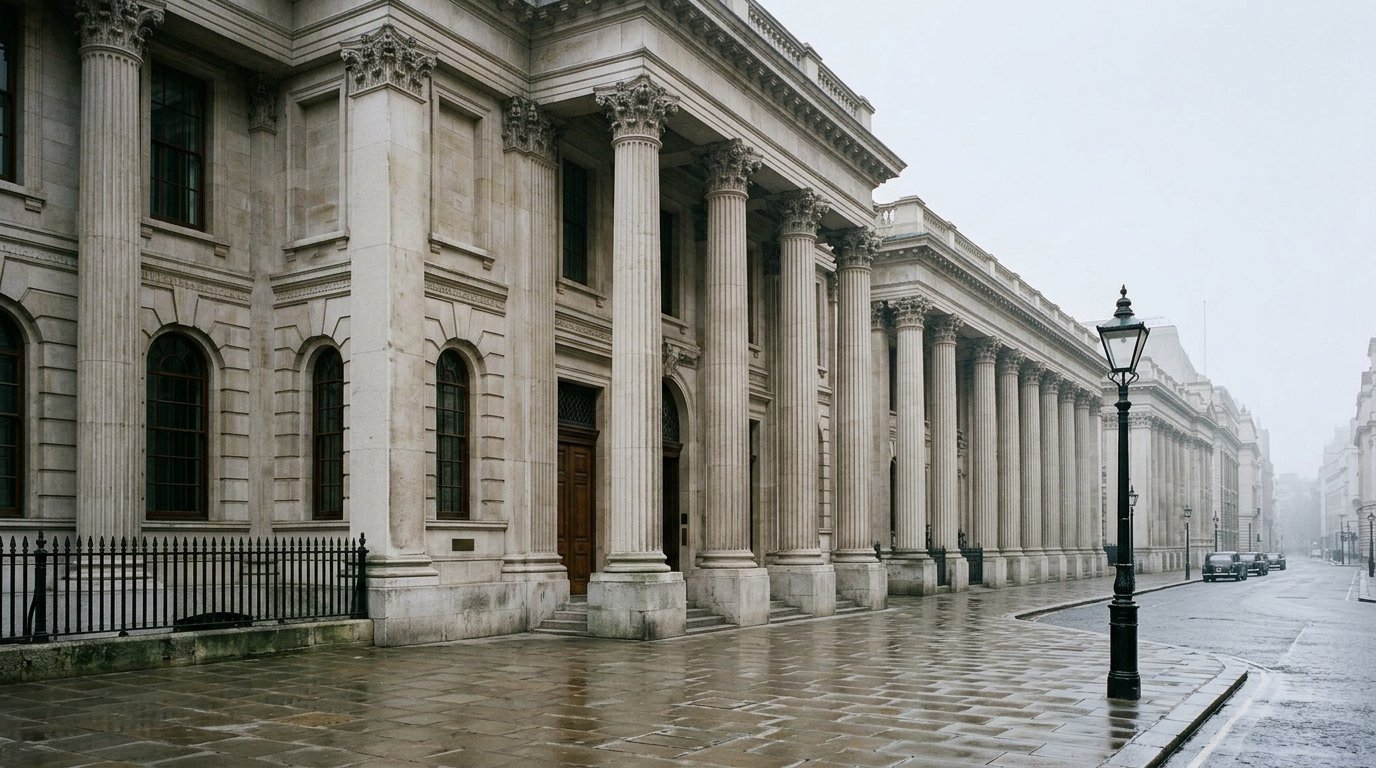
The Bank of England held rates at 3.75% in a 6-3 vote, defying the Fed’s rate hike. Benchmark 10-year and 30-year gilt yields tumbled as markets weighed inflation.

Follow Federal Reserve decisions, interest rates and monetary policy. Explore what changes in short-term rates and bond yields mean, with links to original releases and market explainers. Find your way around ECMSource.
The Bank of England held rates at 3.75% in a 6-3 vote, defying the Fed’s rate hike. Benchmark 10-year and 30-year gilt yields tumbled as markets weighed inflation.

CoreWeave announced a $3B Rule 144A convertible senior notes offering due 2033 with capped calls to lower financing costs and fund AI infrastructure capex.

Lennar reported Q3 2026 net income of $284 million, down 52% YoY, as 6.8% mortgage rates forced builder incentives and squeezed gross margins to 15.8%.

Learn what the prime rate is, how banks set it 300 basis points above the Fed funds rate, and how it directly affects credit cards, HELOCs, and loans.

Discover how the Federal Reserve’s floor system controls interest rates using administered rates like IORB, the ON RRP facility, and the discount window.

The Federal Reserve raised its policy rate 25 bps to 3.75%-4.00% in a 12-0 vote, lifting 2026 dot plot forecasts to 4.1% as Treasury yields hover near 5%.
Why do 10-year Treasury yields move opposite to Fed rate cuts? Learn how the Fed sets overnight rates while markets price inflation, growth, and term premium.

Kevin Warsh took the oath as Fed chair on May 22, 2026, inheriting an 8-4 FOMC and a 30-year Treasury near 5%. June 16-17 is his first meeting.

The Fed re-proposed a limited ‘payment account’ for non-bank fintechs and novel-charter institutions, freezing Tier 3 master-account reviews.

Fed released two Senior Financial Officer Surveys May 14: bank CFOs weighed in on reserves and discount window operating days as $3.10T sits at the Fed.