Warsh’s Second FOMC: Bonds Brace as Inflation Runs Hot
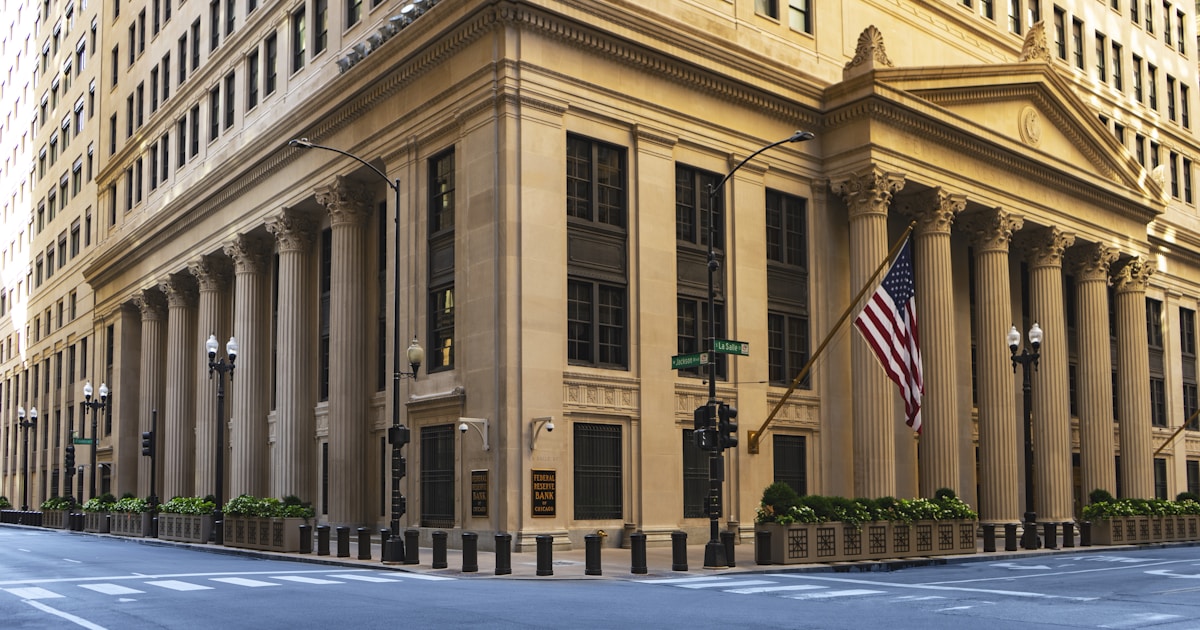
Kevin Warsh’s second FOMC meeting begins today with the fed funds rate at 3.50-3.75% and PCE at 4.1%. Here is what bond investors are watching.

 Bruno
Bruno
Kevin Warsh’s second FOMC meeting begins today with the fed funds rate at 3.50-3.75% and PCE at 4.1%. Here is what bond investors are watching.
Meta and BlackRock unveiled a $14 billion joint venture for a 1-gigawatt El Paso AI data center, financed by a $12B bond sale kept off Meta’s balance sheet.

How the U.S. Treasury yield curve works, why its shape matters, what inversion has and hasn’t predicted, and how to read today’s curve.
China’s Zhongji Innolight priced a $6.81 billion Hong Kong listing at HK$980 a share, the exchange’s biggest IPO of 2026 and Asia’s second-largest, ahead of a July 30 debut.
China’s CXMT surged 466% in its $8.6B Shanghai debut, becoming the country’s most valuable A-share and sending Micron, SanDisk, and SK Hynix sharply lower.
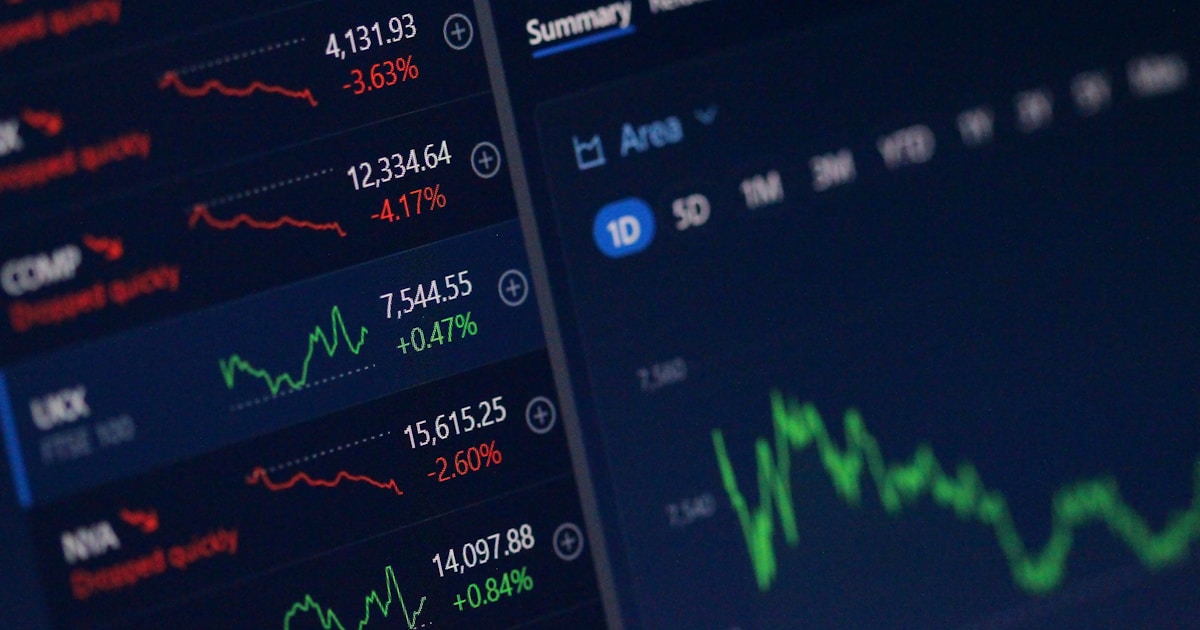
A plain-English guide to covered calls: mechanics, payoff, breakeven, a real worked example, when the strategy earns its premium, and when it costs you.
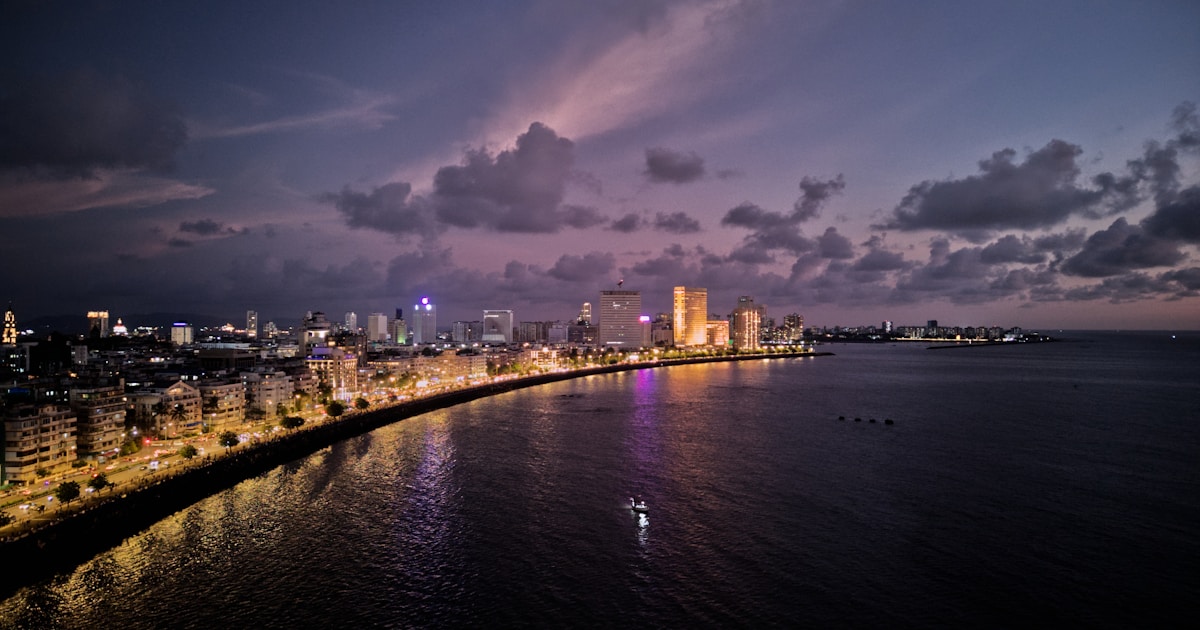
Coca-Cola has invited Kotak, HDFC and Citi to pitch on a $1B IPO of Hindustan Coca-Cola Holdings at a ~$10B valuation, targeting a 2027 BSE/NSE listing.

Reddit surged 13.93% Tuesday as investors bid up shares on reports of higher AI data-licensing fees, spotlighting a maturing content-for-training market.
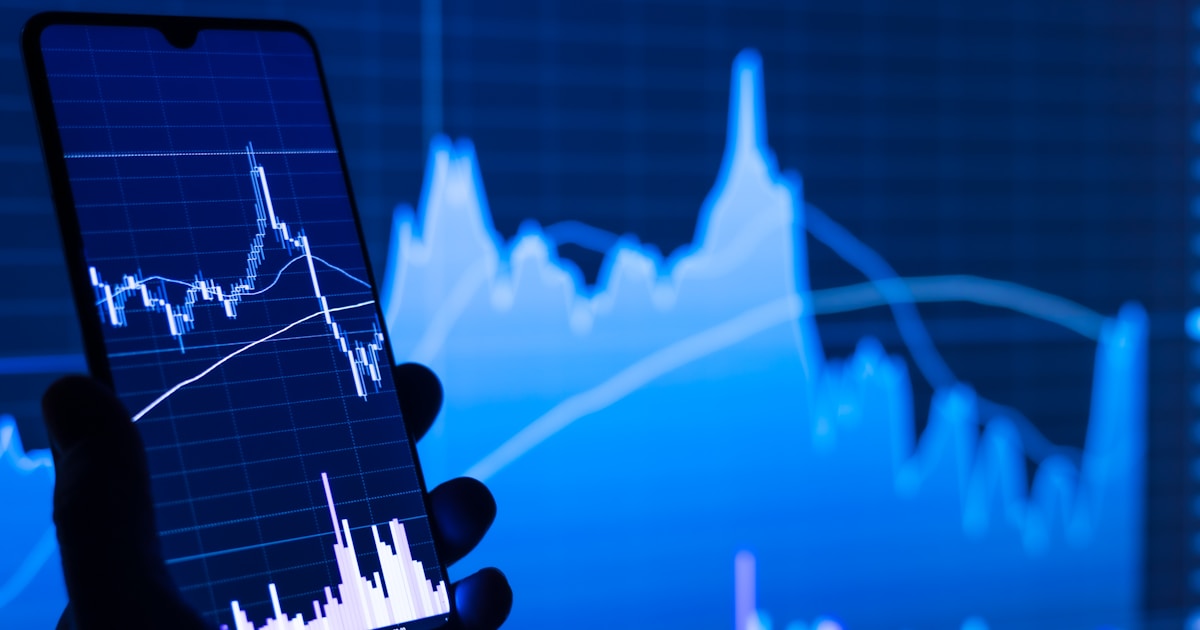
Payment for order flow (PFOF) is how zero-commission brokers get paid. Here’s exactly who pays whom, what Rule 606 discloses, and why regulators disagree about it.

SoftBank has reopened talks for a $10B margin loan backed by its OpenAI stake, adding lender concessions after a June stall cut the target to $6B.