SOFR Explained: How the Post-LIBOR Benchmark Actually Works
SOFR replaced LIBOR as the reference for trillions in dollar debt. Here is how it is calculated, what moves it, and why September 2019 still matters.

SOFR replaced LIBOR as the reference for trillions in dollar debt. Here is how it is calculated, what moves it, and why September 2019 still matters.
How the US repo market really works: repo vs reverse repo, SOFR, the Fed’s RRP floor and SRF ceiling, and what broke in September 2019.
Chairman Warsh called inflation the Fed’s ‘predominant focus’ at Jackson Hole 2026, pushing the 10-year Treasury yield to 4.67% and shrinking near-term rate-cut bets.
Why an inverted yield curve preceded every US recession since 1969, what the 10Y-2Y and 10Y-3M spreads measure, and the 2022 inversion that broke the pattern.

Every August, top central bankers gather in Wyoming. Here is why one Fed Chair speech from Jackson Hole can reset bond yields, stocks, and the dollar.
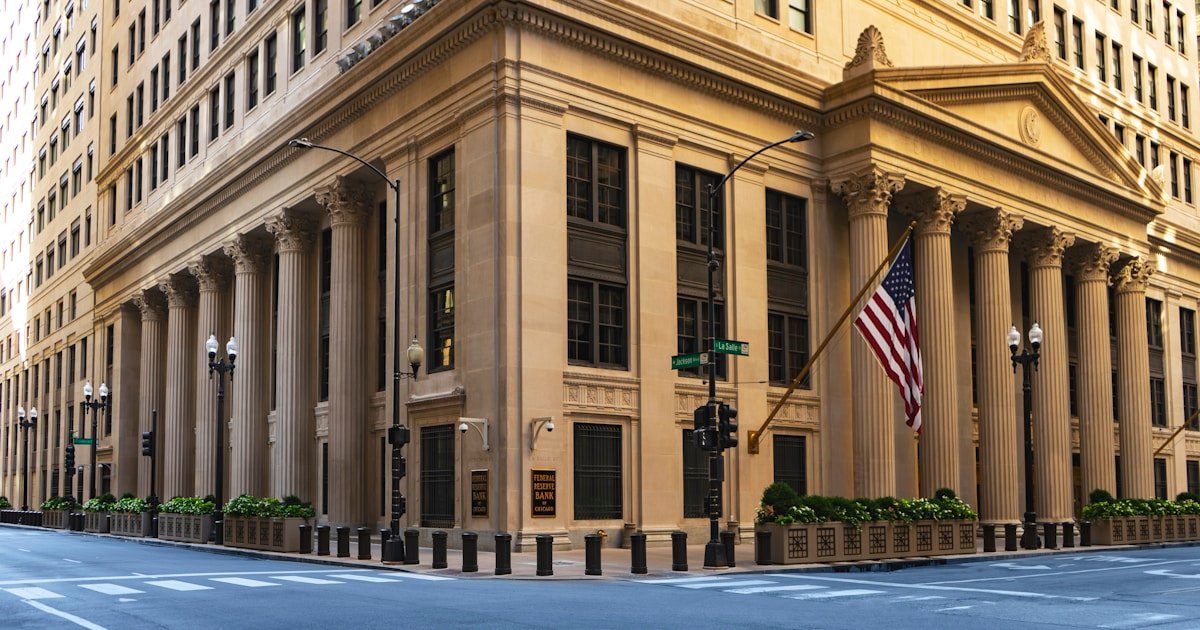
Fed discount rate minutes released Aug 25 show four Reserve Bank boards voted to raise the primary credit rate to 4.00% by July 29 — up from two.
The Fed dot plot shows where 19 policymakers think interest rates should go. Here is how to read it, what it does not say, and what the June 2026 dots signal.
Dallas and NY Fed will pilot the first regular data pull on private credit after Q3, with initial findings due Q1 2027. Here’s what it will track.
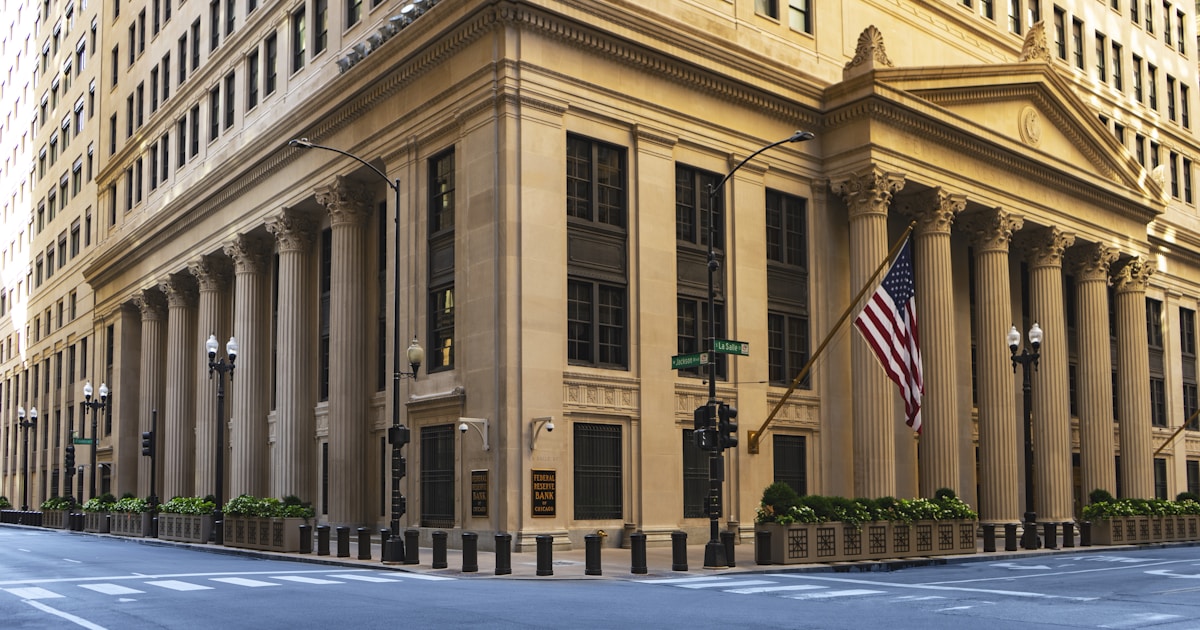
Kevin Warsh’s second FOMC meeting begins today with the fed funds rate at 3.50-3.75% and PCE at 4.1%. Here is what bond investors are watching.
How the U.S. Treasury yield curve works, why its shape matters, what inversion has and hasn’t predicted, and how to read today’s curve.