How an IPO Actually Works: S-1, Roadshow, Greenshoe, Lock-Up
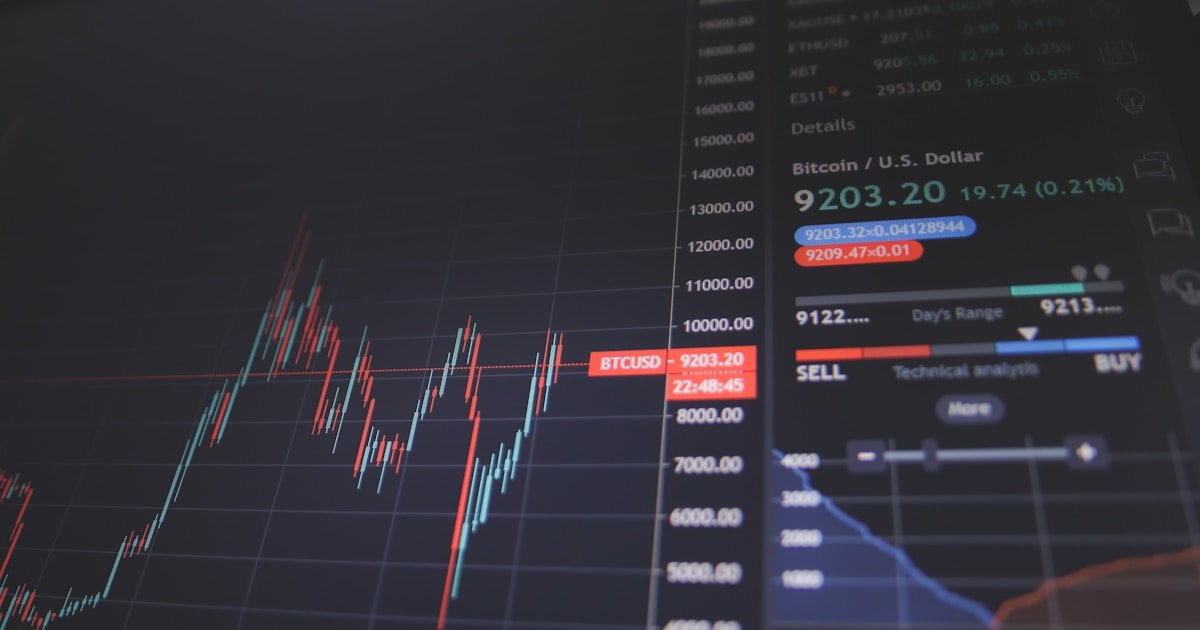
IPO 101 with real numbers: what an S-1 filing is, how bookbuilding sets the price, why greenshoes and lock-ups exist, and what first-day pops mean.

Learn how stocks, bonds and capital markets work. Explore plain-English explanations, worked examples and charts, then follow related coverage to connect market concepts with current events. Find your way around ECMSource.
IPO 101 with real numbers: what an S-1 filing is, how bookbuilding sets the price, why greenshoes and lock-ups exist, and what first-day pops mean.

Walmart topped estimates and raised FY27 guidance, yet WMT fell 9.74% to $103.17. Soft US comps, a tariff-refund-funded raise, flat Q3 EPS, and higher capex explain why.
Quad witching is really triple witching now: three contract types expire on the third Friday of Mar, Jun, Sep, Dec. Here’s the real mechanics.

What is a convertible bond? Coupon savings, conversion premium, dilution risk, and how hedge funds run convertible arbitrage — with real examples.

VWAP is the intraday benchmark institutions and traders share. Learn the formula, how to read it, and where it misleads.

The VIX measures expected S&P 500 volatility over the next 30 days. Here is how it is calculated, what levels mean, and where it misleads.

A clear, math-honest guide to the five Greeks — with a worked Black-Scholes chain, delta and theta charts, and sources you can verify.
A gamma squeeze forces dealers hedging calls to buy stock, pushing it higher. Here’s the mechanism, how to spot one, and why GameStop wasn’t one.
How US market circuit breakers halt trading — the 7%, 13%, 20% S&P 500 triggers and the single-stock LULD bands that pause runaway moves.
How the Relative Strength Index measures momentum, why 70/30 aren’t magic numbers, and how RSI divergence warns of trend exhaustion.