Treasury Floating Rate Notes: How Index Rates and Spreads Work

Learn how Treasury Floating Rate Notes (FRNs) work, how their weekly index rate and fixed spread are determined, and why they carry near-zero duration.

Learn how stocks, bonds and capital markets work. Explore plain-English explanations, worked examples and charts, then follow related coverage to connect market concepts with current events. Find your way around ECMSource.
Learn how Treasury Floating Rate Notes (FRNs) work, how their weekly index rate and fixed spread are determined, and why they carry near-zero duration.
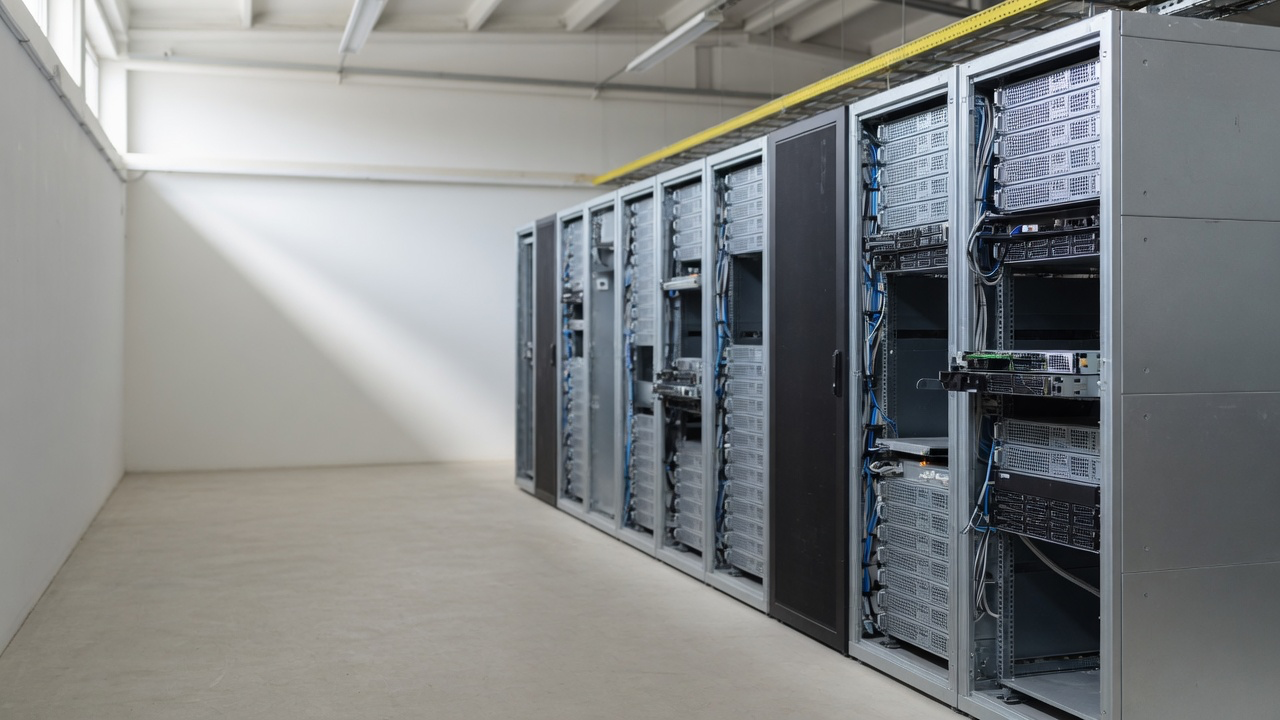
TD SYNNEX posted record fiscal Q3 2026 revenue of $21.6B and an 89% GAAP EPS jump, driven by enterprise AI deployments and server manufacturing demand.

Understand the key differences between FDIC deposit insurance and SIPC brokerage protection, including coverage limits, eligible assets, and cash rules.

Akamai secured an $11.6 billion multi-year cloud contract with Anthropic, issued a 5% warrant, and committed $1.7 billion for server memory with Jabil.

Learn how Fed Open Market Operations work, how the New York Fed Desk trades with primary dealers, and how permanent vs. temporary repos steer interest rates.

Darden reported Q1 FY2027 sales of $3.2B, led by 6.2% LongHorn same-store growth, while reaffirming full-year EPS guidance of $11.10 to $11.35.

Learn how SEC Rule 415 and Form S-3 shelf registrations work, from base prospectuses and WKSI rules to shelf takedowns and dilution mechanics.

Costco reported Q4 net sales of $93.9B and $6.75 diluted EPS, propelled by a 92.3% renewal rate in the US and Canada and a 19.5% digital sales jump.

Learn the difference between clean price and dirty price in bond trading, how accrued interest is calculated, day-count conventions, and IRS tax treatment.
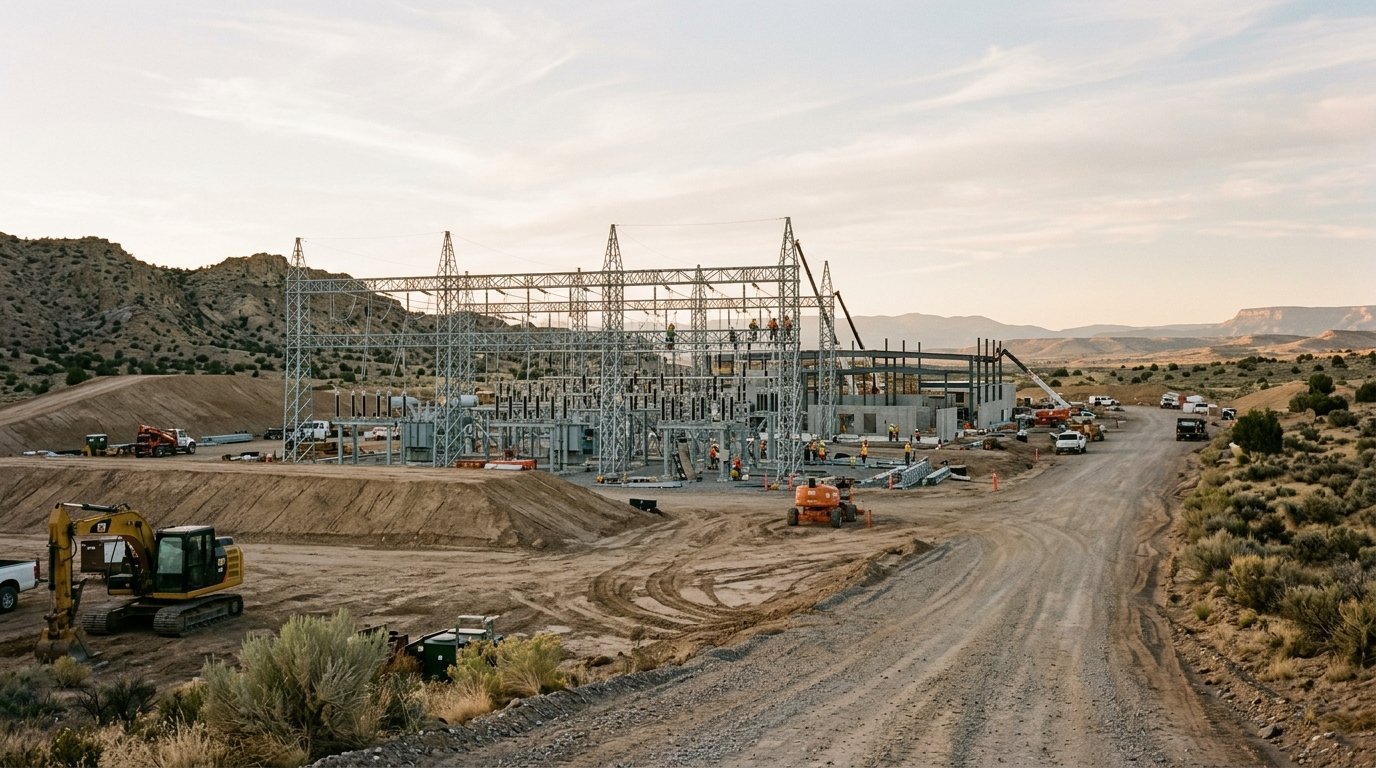
Oracle issued a force majeure notice to developer Blue Owl Capital over its $165B Project Jupiter data center in New Mexico following pipeline permit delays.