Brokered CDs vs. Bank CDs: How Liquidity and FDIC Rules Differ

How brokered CDs and bank CDs differ across secondary trading, interest rate risk, call provisions, early withdrawal penalties, and FDIC insurance rules.

Learn how stocks, bonds and capital markets work. Explore plain-English explanations, worked examples and charts, then follow related coverage to connect market concepts with current events. Find your way around ECMSource.
How brokered CDs and bank CDs differ across secondary trading, interest rate risk, call provisions, early withdrawal penalties, and FDIC insurance rules.

Titan International agreed to sell its Italtractor ITM unit to USCO S.p.A. for up to $285M, reallocating capital to debt paydown and core wheel operations.

How mortgage amortization schedules work, from monthly payment math and principal reduction to 30-year vs. 15-year terms and paydown acceleration.
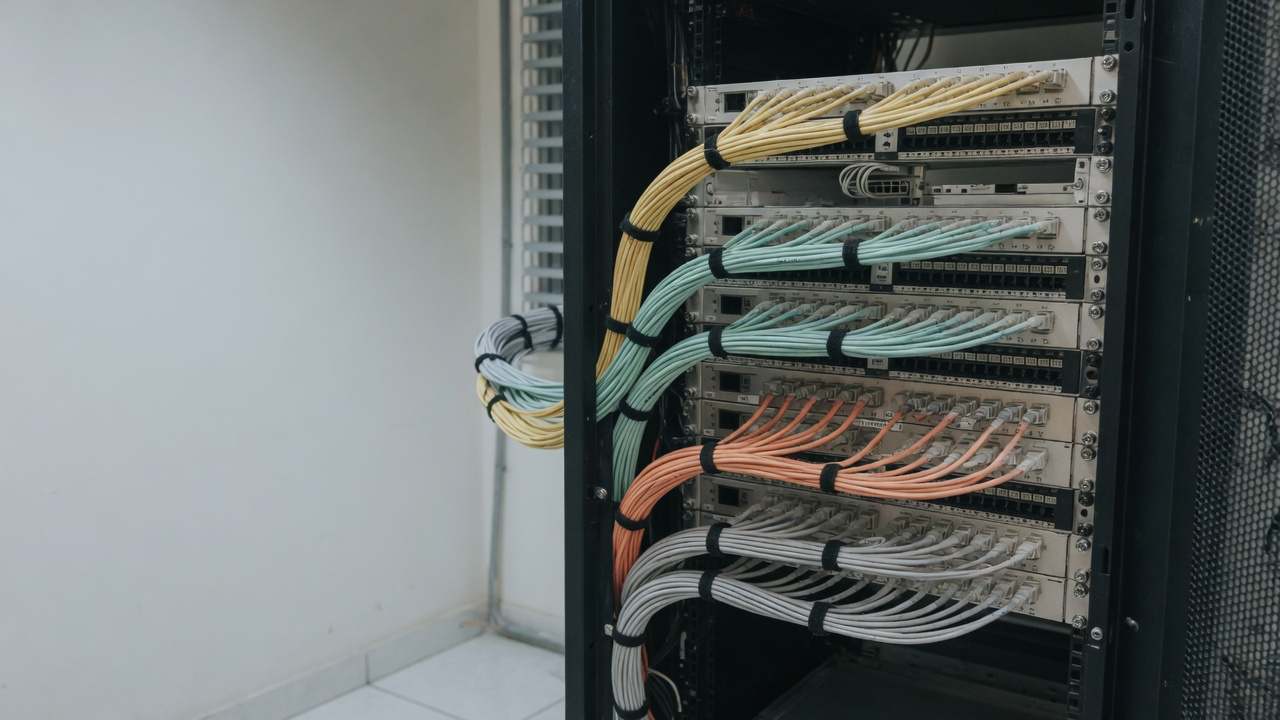
Lumen Technologies will transfer its common stock and Qwest notes from the NYSE to Nasdaq on Oct. 6, 2026, aligning its listing with its enterprise AI shift.

Learn how the ex-dividend date works, how SEC T+1 settlement aligned it with the record date, why stock prices drop at open, and IRS holding rules.
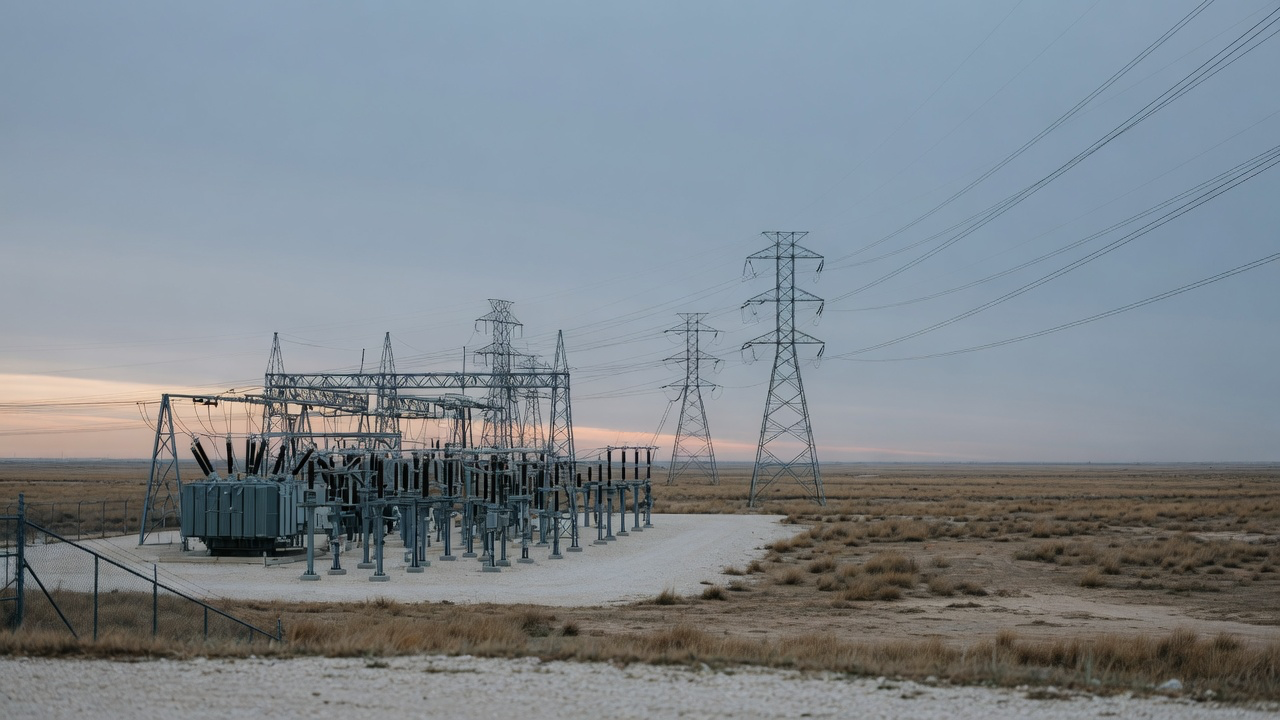
MARA Holdings posted a $100M utility deposit and amended its Texas data center acquisition for 2,000 MW of power, restructuring up to $600M in milestone terms.

Learn how Series EE savings bonds work, including the 20-year doubling guarantee, fixed rates, early redemption penalties, and federal tax deferral rules.

Charles River raised its 2026 outlook to the high end and set 2030 goals, targeting 5% to 7% organic growth, 24% margins, and $300M+ in cost savings.

Understand how stock capital gains are taxed, the one-year holding period rule, IRS Schedule D netting, and the $3,000 annual loss offset limit.

KLX Energy Services tightened its Q3 2026 revenue guidance to $180M–$185M and projected Adjusted EBITDA margins of 13% to 14% following its rights offering.