172k Jobs, $1T Wiped: Nasdaq’s Worst Week in a Year

A hot May payrolls print pushed Fed rate cuts off the table and triggered a 10.4% single-day SOXX collapse, dragging Nasdaq to its worst week in a year.

Explore inflation, employment, growth and other economic developments that shape financial markets. Find context for economic releases and explanations of commonly used indicators. Find your way around ECMSource.
A hot May payrolls print pushed Fed rate cuts off the table and triggered a 10.4% single-day SOXX collapse, dragging Nasdaq to its worst week in a year.

J.C. Flowers acquires Monte Paschi’s French lending arm; Howard Davies takes the chair as BMPS streamlines post-Mediobanca.

Blackstone Capital Partners Asia III closed at $13.1 billion, topping its $10 billion target and more than doubling its predecessor.
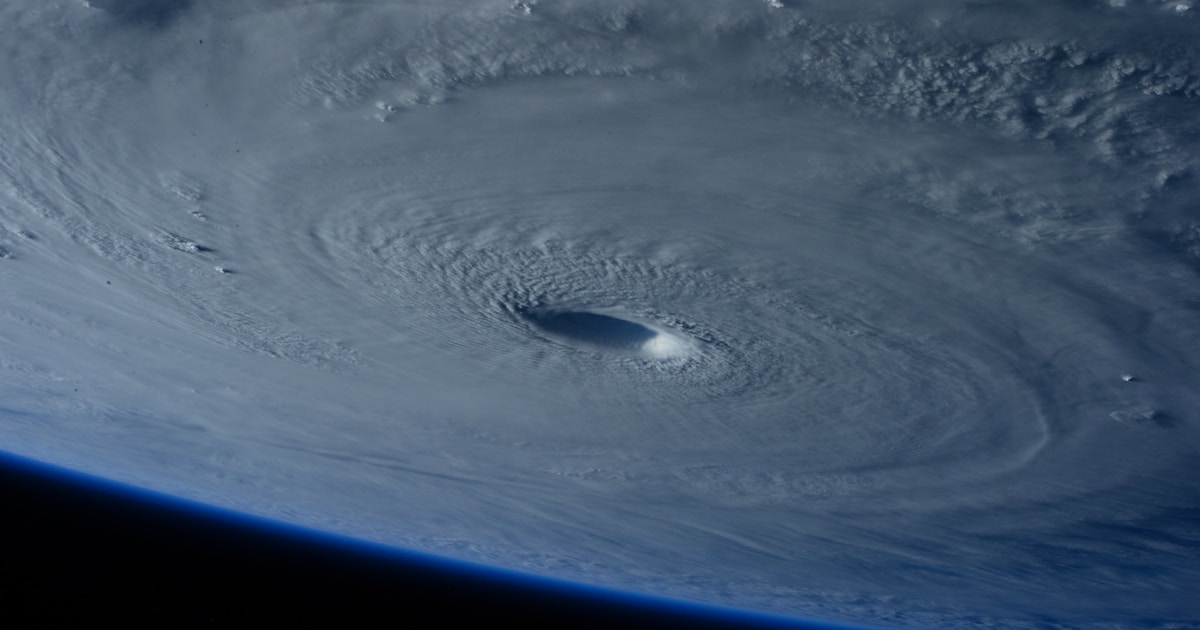
Cat bond market enters 2026 Atlantic hurricane season at a record $69.9B outstanding, with $15.5B issued YTD as NOAA forecasts a below-normal season.
The IMF’s April 2026 World Economic Outlook delivers a stark growth downgrade. Here’s how bond, equity, and sovereign debt markets are responding.

U.S. 30-year yield closed at 5.128% on May 15, 2026 — highest since May 2025. UK, German and Japanese long bonds are also at or near 52-week highs. What broke.
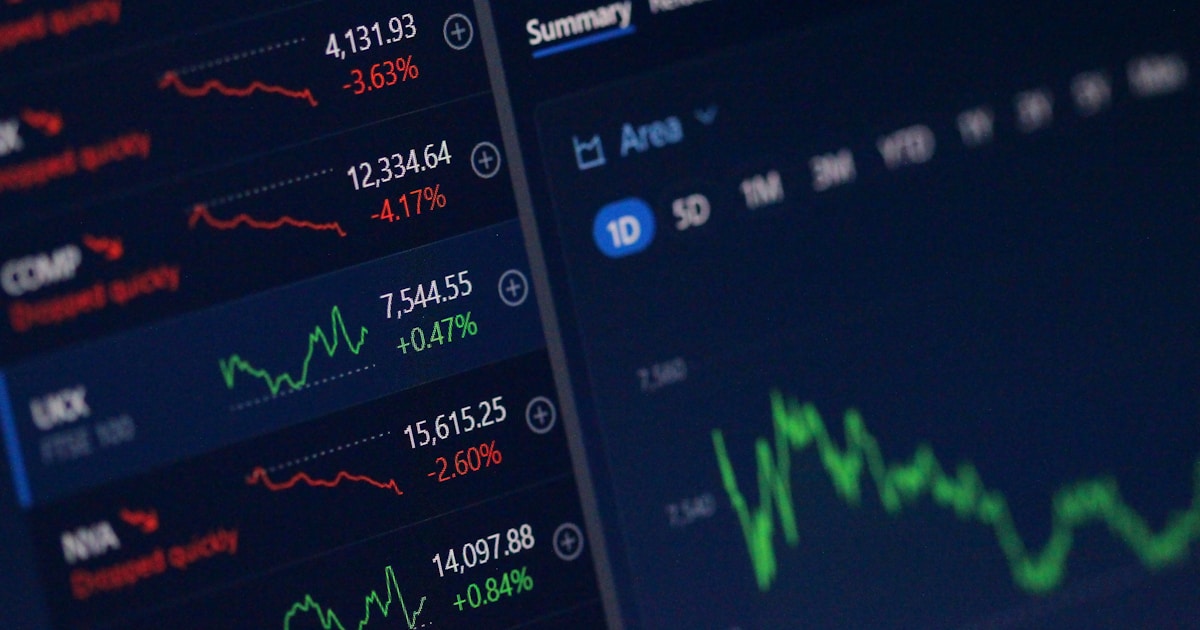
April CPI printed at 3.8% YoY — the hottest reading since May 2023 — knocking the Nasdaq down 1.5% as Nvidia, Intel and Micron led an AI-led selloff.
April CPI surged to 3.7% year-over-year, sending the 10-year Treasury yield to 4.41% and dimming hopes for Federal Reserve rate cuts in 2026.
April 2026 CPI data drops Tuesday at 8:30 a.m. ET. Analysts expect inflation to hit 3.7%—the highest since September 2023—driven by Iran-related energy costs and tariff pass-throughs.
The U.S. government is forced to issue more debt than projected as cash flows weaken — and long-term Treasury yields are holding stubbornly high in a dynamic analysts call unprecedented since 1990.