SpaceX Files S-1 to List as SPCX; Starlink Tops $11B
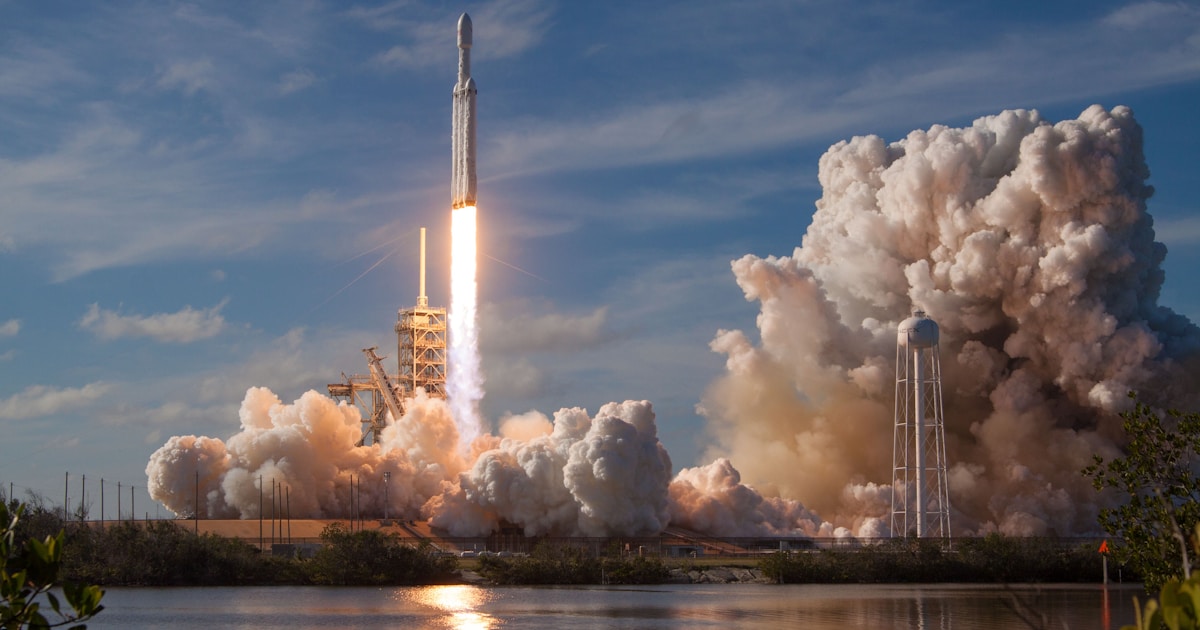
SpaceX files S-1 to IPO as SPCX on Nasdaq and Nasdaq Texas. FY2025 revenue $18.7B, Starlink $11.4B (+49%), dual-class shares keep Musk in control.

SpaceX files S-1 to IPO as SPCX on Nasdaq and Nasdaq Texas. FY2025 revenue $18.7B, Starlink $11.4B (+49%), dual-class shares keep Musk in control.

How the Sharpe ratio works: the formula, a worked example, common pitfalls, and why William Sharpe himself warned against trusting a single number.

Quantinuum’s amended S-1 sets QNT IPO at $45-$50 per share on ~21M shares, implying a $12.7B valuation and up to $1.05B in proceeds. Here’s how it stacks up.
AutoZone (AZO) closed down 8.99% to $3,100.11 on May 26, 2026 after Q3 FY26 EPS of $38.07 beat, but constant-currency international comps slowed to 1.6%.

How public companies issue new shares after their IPO, why the stock usually falls on the announcement, and what ATM offerings and greenshoes really do.

Clinical-stage heart-drug developer Kardigan filed its S-1 for a Nasdaq IPO (ticker: KARD), backed by a JPM/Jefferies/Leerink/TD Cowen syndicate.
Micron (MU) jumped 19.3% to $895.88 on May 26, 2026, lifting its market cap above $1 trillion as AI HBM demand reshapes the memory cycle.

How Treasury Inflation-Protected Securities work — principal adjustment, real yield, breakeven inflation, taxes, and where TIPS fit in a portfolio.

FTSE Russell’s preliminary 2026 additions and deletions hit on May 22. The flip goes effective after the June 26 close – and now happens twice a year.

Midstream operators like WMB, OKE and KMI are up 20-30% YTD vs the S&P 500’s 4.7%. AI data-center power demand and the LNG export buildout are doing the work.