Options Greeks Explained: Delta, Gamma, Theta, Vega, Rho

What delta, gamma, theta, vega, and rho actually measure — with worked examples, typical ranges, and the mistakes traders make.

What delta, gamma, theta, vega, and rho actually measure — with worked examples, typical ranges, and the mistakes traders make.

Duration is the single number that explains why a 30-year Treasury can lose roughly 16% in a year when yields rise 1%. Here is how it works, with current data.

How the carry trade works in plain English: borrow in a low-rate currency, invest in a higher-yielder, pocket the spread — and what causes the unwinds.
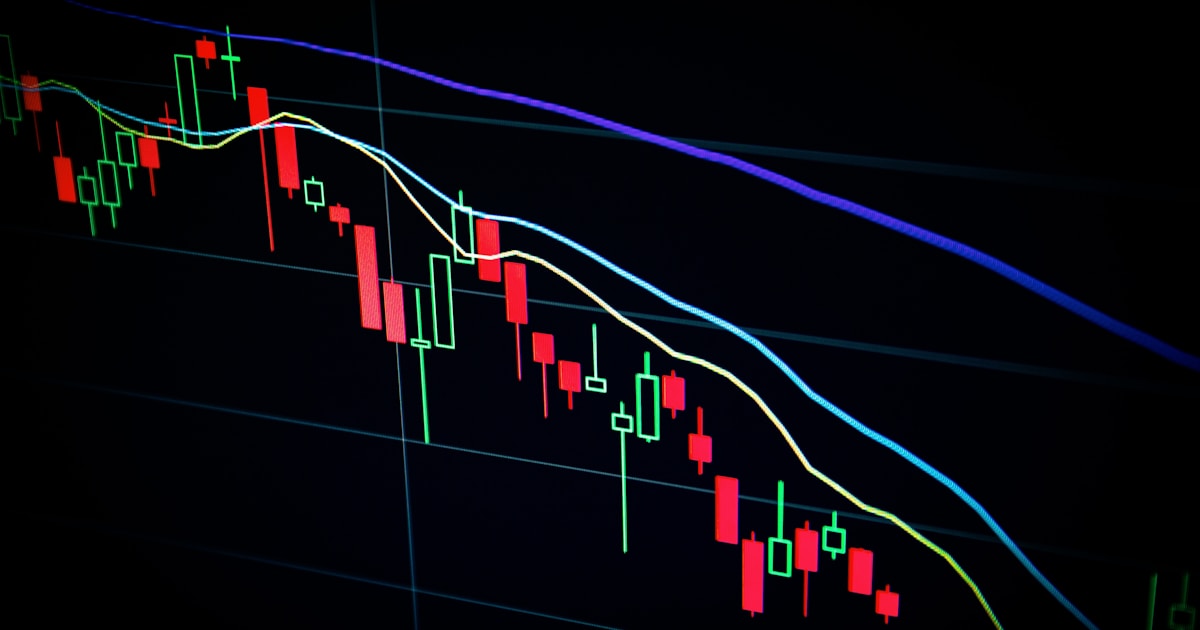
PEG = P/E / earnings growth. Below 1 is the classic Lynch rule. Why the metric helps with growth stocks — and where it misleads.

Money market funds hold a record $7.89 trillion. Here’s how MMFs work, what drives their yields, the 2023 SEC reforms, and where the real risks hide.

Stock-based compensation is real money. How RSUs and options get expensed, why tech excludes SBC from non-GAAP EPS, and how buybacks paper over the dilution.

Every U.S.-listed company files three core reports with the SEC. Here is what each one contains, when it is due, and what to read first.

Market, limit, stop, stop-limit, and trailing stops explained — what each order does, when to use it, and how each one can quietly cost you on the fill.
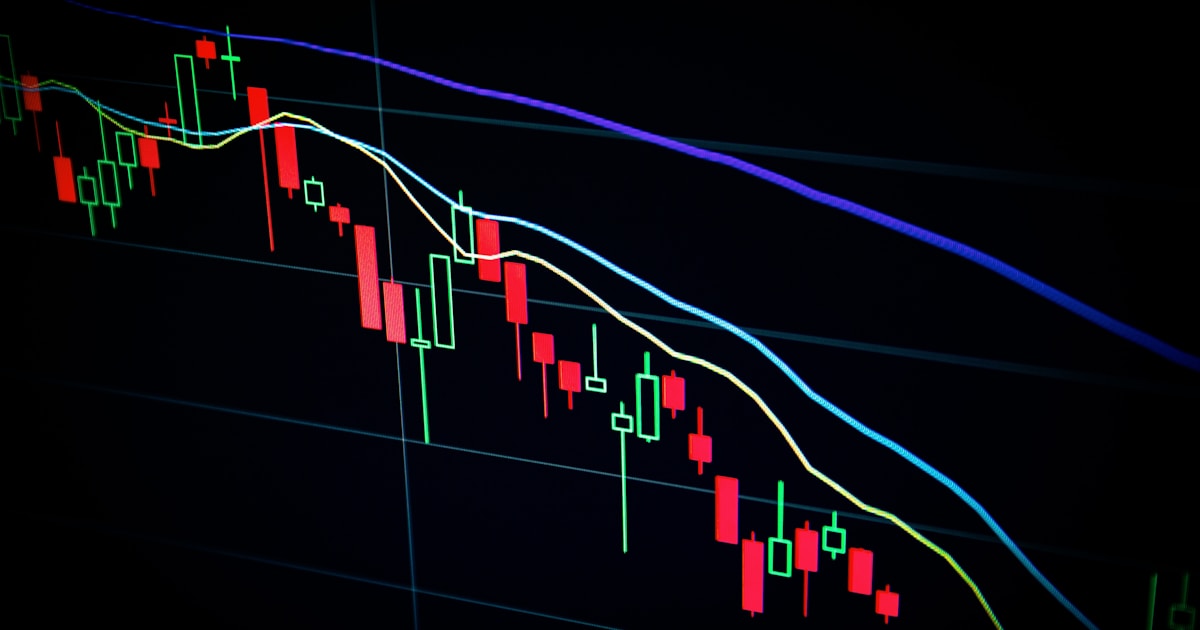
Dark pools now match nearly half of U.S. stock trades — and most retail orders never touch a lit exchange. Here is how they actually work.

What the yield curve is, why inversion has preceded every US recession since 1970, and how to read the current US Treasury curve as of June 1, 2026.