Return on Invested Capital (ROIC) Explained

ROIC measures profit per dollar of capital invested. When ROIC beats WACC, the firm creates value. Here is the formula, math, and where it misleads.

ROIC measures profit per dollar of capital invested. When ROIC beats WACC, the firm creates value. Here is the formula, math, and where it misleads.

Contango is the upward-sloping futures curve that quietly drains commodity ETF returns. Here is the math, the cause, and how to spot it.

How the repo market works: $12.6T daily, SOFR, tri-party clearing, the Fed’s Standing Repo Facility, and the 2019 spike that changed everything.

The Black-Scholes options pricing model, in plain English: the formula, the five inputs, a worked example with verified numbers, and where it breaks.
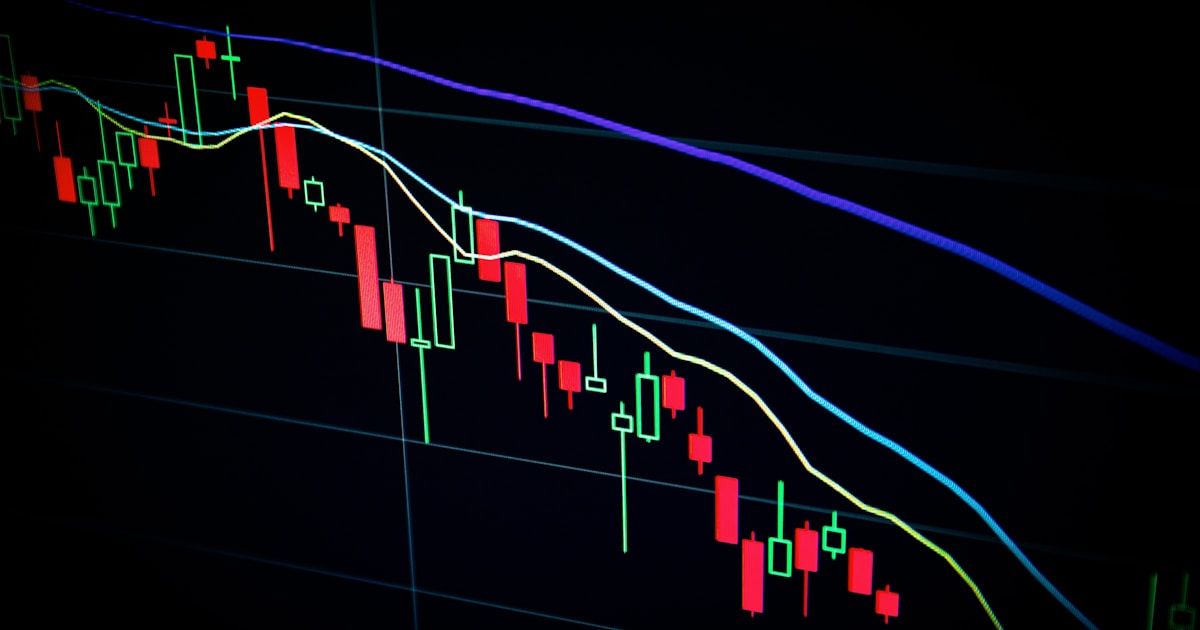
Relative Strength (RS) and the Relative Strength Index (RSI) sound alike but measure totally different things. Here’s the clean distinction.

CPI vs PCE explained: how the two US inflation gauges differ in scope, weights, and formula, and why the Fed’s 2% target rides on core PCE.

What is a credit default swap? How CDS premiums, credit events, and the ISDA auction work, with worked numbers and verified market data.

A plain-English guide to the five option Greeks — Delta, Gamma, Theta, Vega and Rho — with worked examples, charts and common mistakes traders make.
Duration is a tangent line; convexity is the curvature. Here is the formula, a worked 10-year Treasury example, and why MBS has negative convexity.

How investment grade and high yield bonds differ: rating cutoffs, spreads, default rates, recovery rates, and the math behind credit risk.