Tax-Loss Harvesting and the Wash Sale Rule Explained
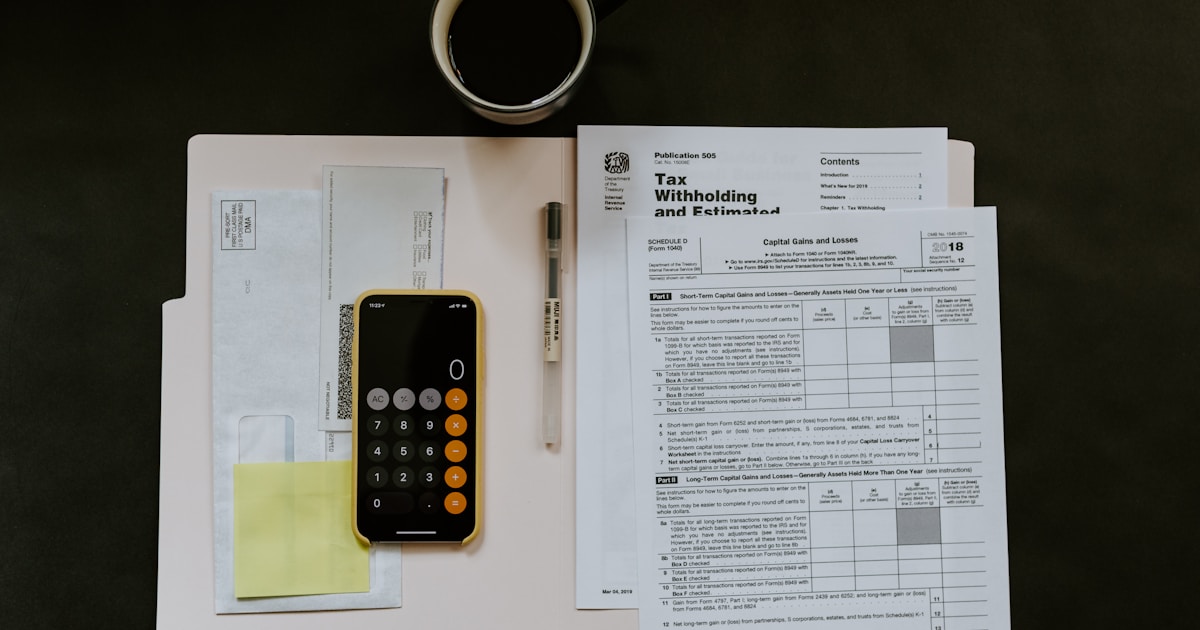
How tax-loss harvesting works, the 61-day wash sale window, and what counts as ‘substantially identical’ under the 2026 capital gains brackets.
How tax-loss harvesting works, the 61-day wash sale window, and what counts as ‘substantially identical’ under the 2026 capital gains brackets.
A plain-English guide to the five option Greeks — what each measures, when it matters, and how traders use them in real positions.

Merger arb is the spread between a target’s price and the deal price. Here is the math, the risk, and a worked example on the Paramount-WBD deal.

The Sortino ratio measures returns per unit of downside risk, not total volatility. Here is the formula, a worked example, and when to use it.
Value at Risk turns a portfolio’s potential loss into one number. Here is how the three methods work, why VaR misses the tail, and what regulators use instead.

The cash conversion cycle measures how many days a company’s cash is tied up in operations. Here is the formula, a worked example, and why negative CCC is the holy grail of working capital.

Maximum drawdown is the worst peak-to-trough loss a portfolio has taken – the single number that captures the pain volatility hides.
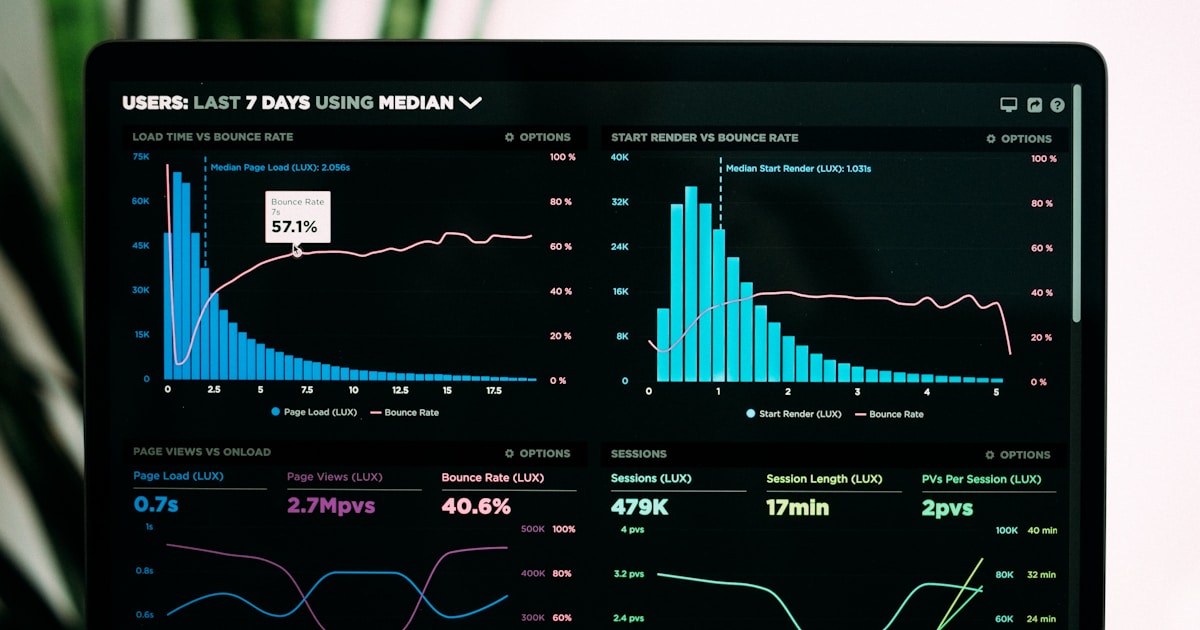
DuPont analysis splits return on equity into margin, asset turnover, and leverage so you can see whether a high ROE comes from operating skill, capital efficiency, or just borrowing.
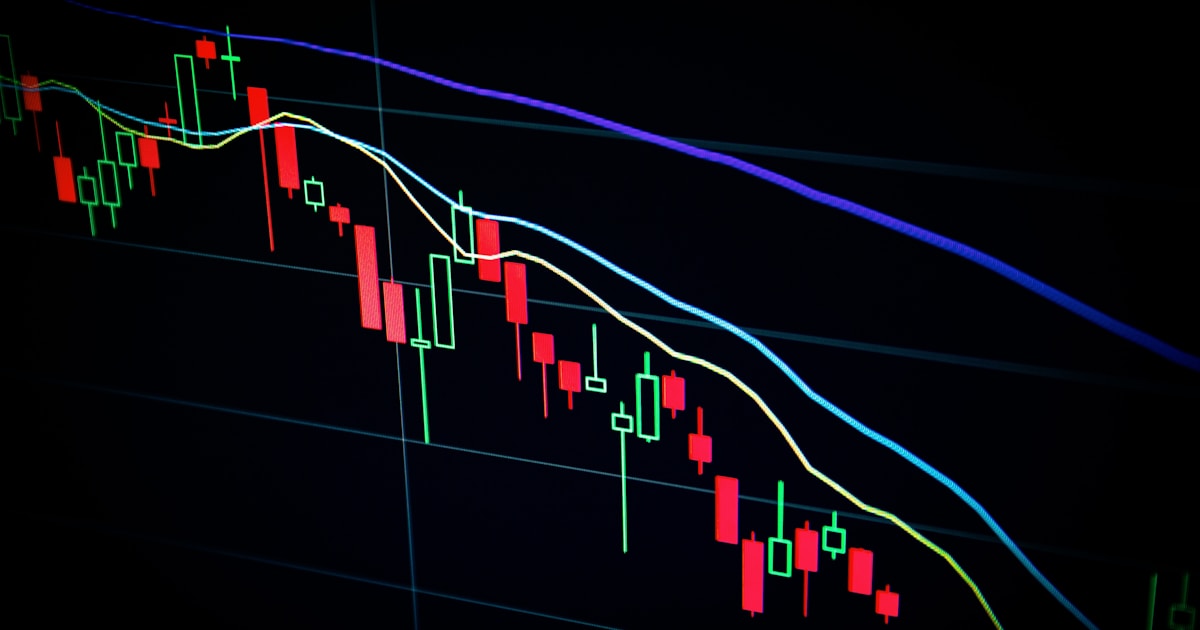
Shiller PE sits near 41, second only to the 1999 peak. What CAPE measures, when it works, when it misleads, with verified historical data.

Senior debt, subordinated bonds, preferred stock, common equity — here is the exact order claims get paid when a company defaults, with the GM 2009 worked example.