Covered Interest Rate Parity: How FX Swaps and Forwards Work

Learn how covered interest rate parity (CIP) prices currency forwards, links FX swaps and interest rates, and why the cross-currency basis persists.

Learn how stocks, bonds and capital markets work. Explore plain-English explanations, worked examples and charts, then follow related coverage to connect market concepts with current events. Find your way around ECMSource.
Learn how covered interest rate parity (CIP) prices currency forwards, links FX swaps and interest rates, and why the cross-currency basis persists.

Accenture beat Q4 FY26 guidance with $18.7B in revenue, posted $22.2B in bookings, hiked its dividend 5%, and expanded share buybacks by $6B.

Learn how the Treasury General Account (TGA) at the Federal Reserve works, why tax inflows drain bank reserves, and how government spending impacts liquidity.

Carnival Corporation posted record Q3 2026 net income of $1.9B, achieved investment-grade credit status, and raised full-year operational guidance.

Learn how callable bonds work, why issuers redeem debt early, how to calculate Yield to Call vs. YTM, and how call protection impacts investor returns.
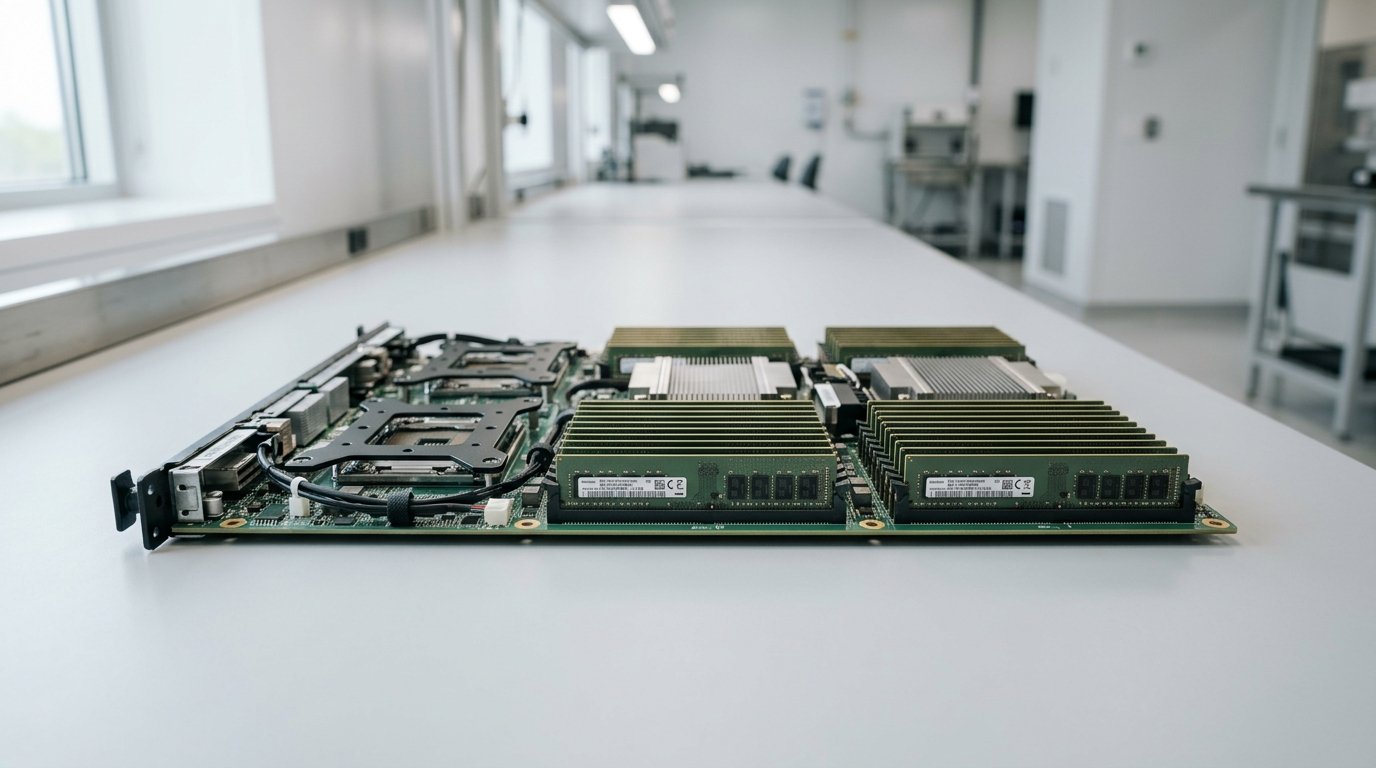
Micron Technology posted record Q4 revenue of $54.23B and full-year net income of $84.97B, driven by AI data center memory demand, guiding Q1 FY27 to $61.5B.

Learn how long straddles and long strangles work, their payoff formulas, breakeven math, and why implied volatility crush threatens earnings options trades.

Alaska Air Group mapped out its multi-year roadmap to deliver $1 billion in incremental profit by 2027 and expand intercontinental routes from Seattle.

Learn how bond ladders work, how to build a Treasury ladder for steady cash flow, and how laddering balances interest rate risk and reinvestment risk.

The U.S. Navy selected Boeing for the F/A-XX contract, cementing its prime contractor role across both U.S. sixth-generation combat aircraft programs.