Incyte’s frontMIND Hits in DLBCL – At a Toxicity Cost
Incyte’s Phase 3 frontMIND trial cut DLBCL progression risk 25% with tafasitamab + Revlimid + R-CHOP, but severe adverse events and deaths from toxicity ran ahead of standard care.

 Bruno
Bruno
Incyte’s Phase 3 frontMIND trial cut DLBCL progression risk 25% with tafasitamab + Revlimid + R-CHOP, but severe adverse events and deaths from toxicity ran ahead of standard care.
What is a credit default swap? How CDS premiums, credit events, and the ISDA auction work, with worked numbers and verified market data.
Greenbriar-backed Applied Aerospace & Defense sets terms for a $634M NYSE IPO at a $3.33B market cap, pricing June 2 under ticker AADX.
Nvidia returned $20B in Q1, added an $80B buyback authorization, and lifted its dividend 25x – even as it zeroed China out of its outlook.

A plain-English guide to the five option Greeks — Delta, Gamma, Theta, Vega and Rho — with worked examples, charts and common mistakes traders make.
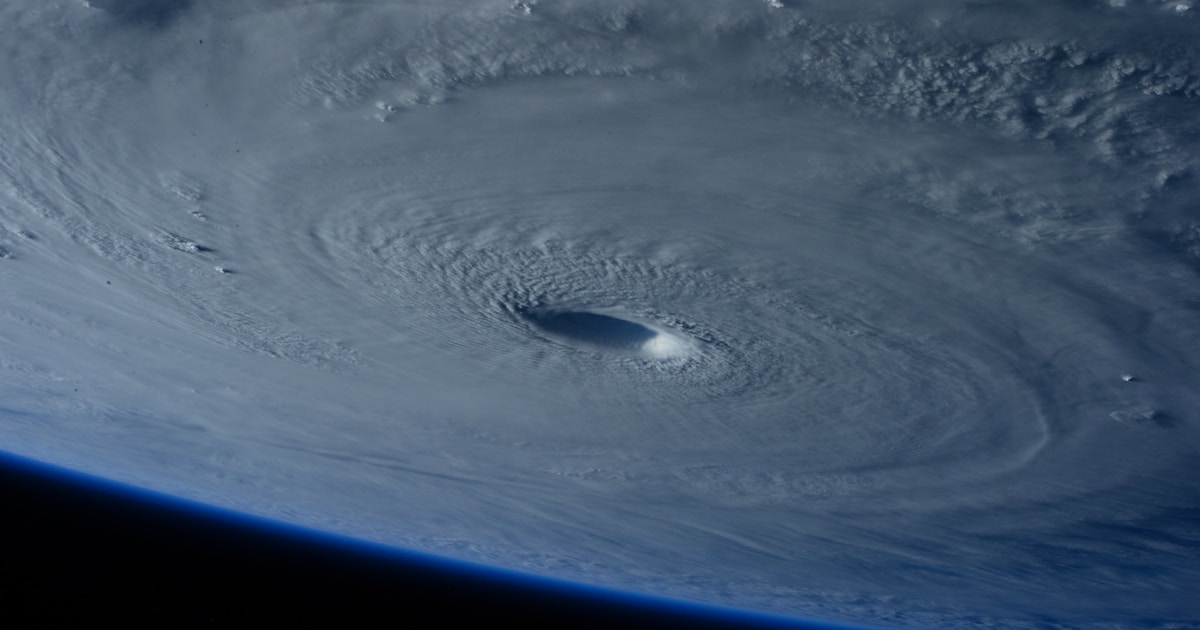
Cat bond market enters 2026 Atlantic hurricane season at a record $69.9B outstanding, with $15.5B issued YTD as NOAA forecasts a below-normal season.

Ambarella stock tumbled 21% Friday despite a Q1 FY27 earnings beat. In-line Q2 guidance disappointed a market priced for upside.

Duration is a tangent line; convexity is the curvature. Here is the formula, a worked 10-year Treasury example, and why MBS has negative convexity.
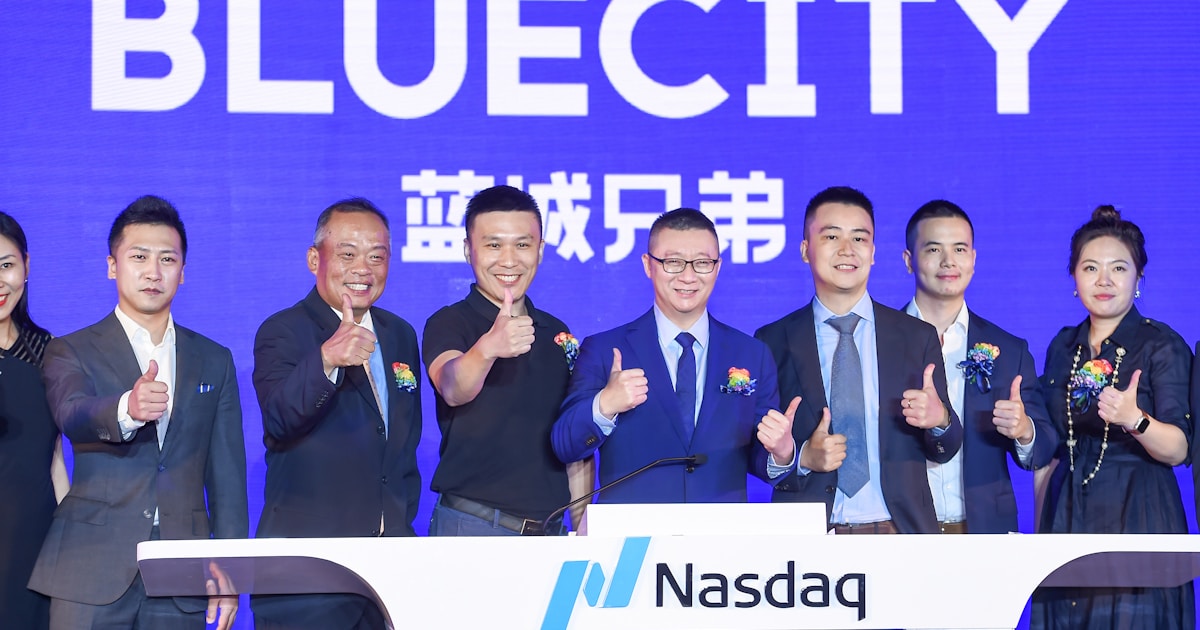
Seven IPOs led by INNIO’s $1.9B and Quantinuum’s $1B target a combined $4.7B as the Renaissance IPO Index outpaces the S&P 500 by 11.5 points YTD.

Okta beat Q1 FY27 estimates on $765M revenue and $0.91 non-GAAP EPS, raised full-year guidance, and pitched identity as the control plane for AI agents.