Western Digital Q1 Gross Margin Hits 58% on AI Cloud Storage
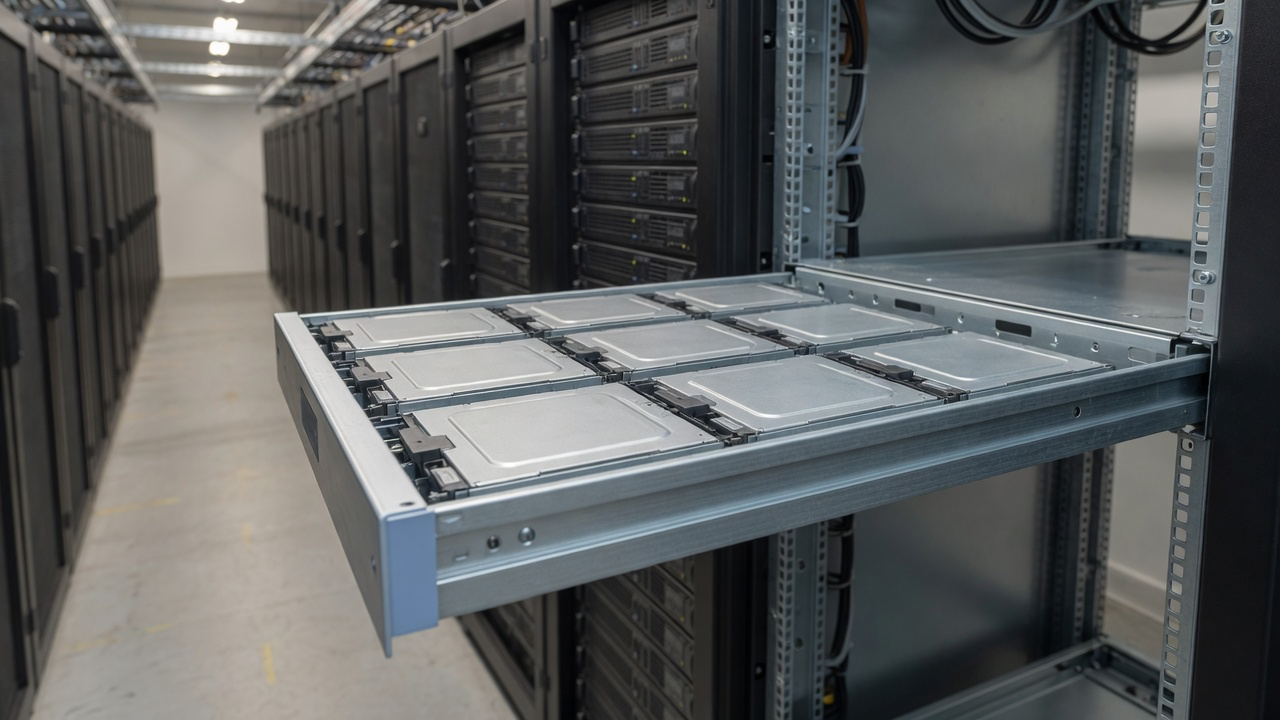
Western Digital posted Q1 FY27 revenue of $4.38B as gross margin surged to 58.1% on cloud storage demand, lifting free cash flow to $1.38B.

 Bruno M.
Western Digital posted Q1 FY27 revenue of $4.38B as gross margin surged to 58.1% on cloud storage demand, lifting free cash flow to $1.38B.

Understand SEC Rule 501 accredited investor criteria: the $1M net worth test, $200K income thresholds, qualifying licenses, and Rule 506(c) verification.

Barclays posted Q3 2026 results as a 47% surge in Equities offset FICC softness, lifting pre-tax profit 12% and backing a new £500 million share buyback.

Meta Platforms reported Q3 2026 revenue of $64.60 billion and announced a 1:1 non-voting Class C stock dividend to fund multi-year AI capital spending.

Understand how dual-class stock works, the differences between Class A, Class B, and Class C shares, and why founders use multi-class voting structures.

Workday priced $2.5 billion in senior notes across four tranches yielding 5.7% to 6.5% to retire $1.0 billion of 2027 debt and fund corporate growth.
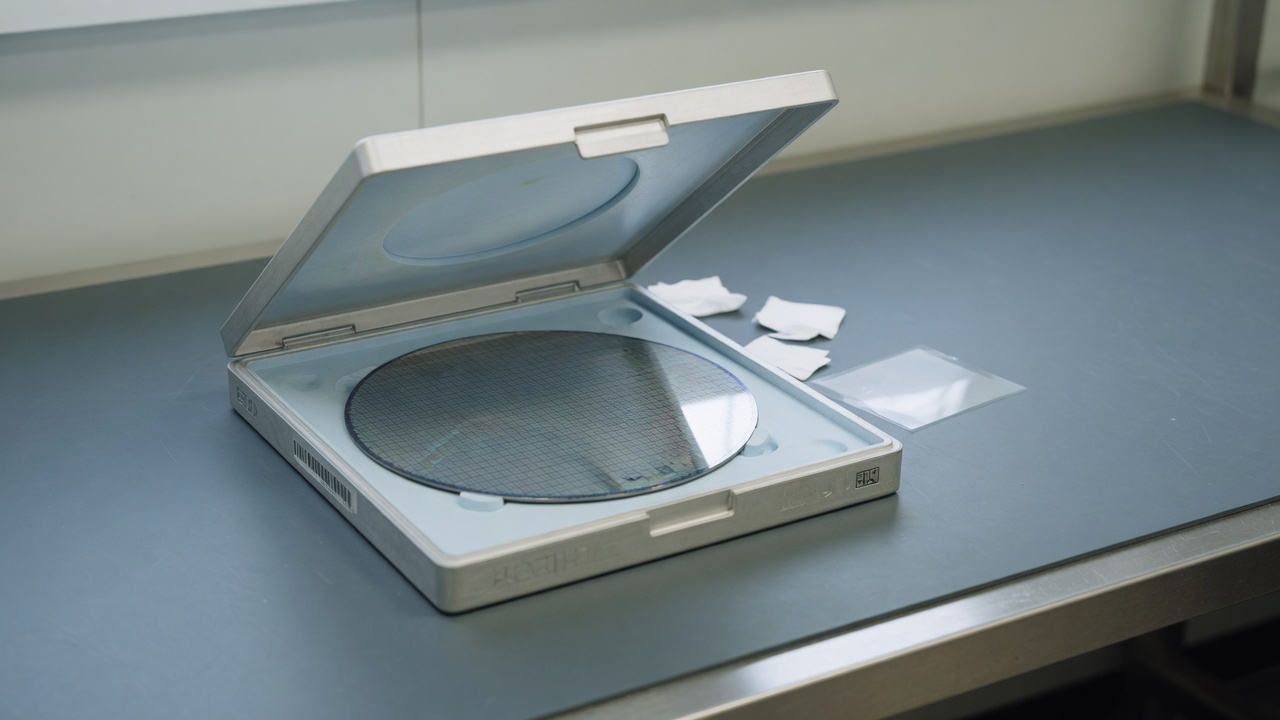
Lam Research reported Q1 FY2027 revenue of $8.22B, up 22% sequentially, driven by AI semiconductor demand, leading-edge systems, and 40.2% operating margin.

Learn how a Securities-Backed Line of Credit (SBLOC) works, how it differs from margin, non-purpose rules under Reg U, maintenance calls, and tax realities.

Apollo Debt Solutions BDC originated $1.6B of private debt in Q3 2026 with an 8.80% yield and 486 bps spread across a $25.5B direct lending portfolio.

Netflix reported Q3 2026 revenue of $12.87B with operating margin hitting 34.6%, while lowering full-year ad revenue expectations to $2.7B on slower rollout.