Underwriting Syndicates: Lead Left, Gross Spread, Pot System

How IPO underwriting syndicates operate: lead left bookrunners, gross spread fee breakdowns, institutional pot allocations, and FINRA Rule 5131.
 Bruno M.
How IPO underwriting syndicates operate: lead left bookrunners, gross spread fee breakdowns, institutional pot allocations, and FINRA Rule 5131.

Anthropic has filed Form S-1 for a Nasdaq IPO under ticker ANT, revealing $16.3B in first-half 2026 revenue and $131.7B in liquid reserves.
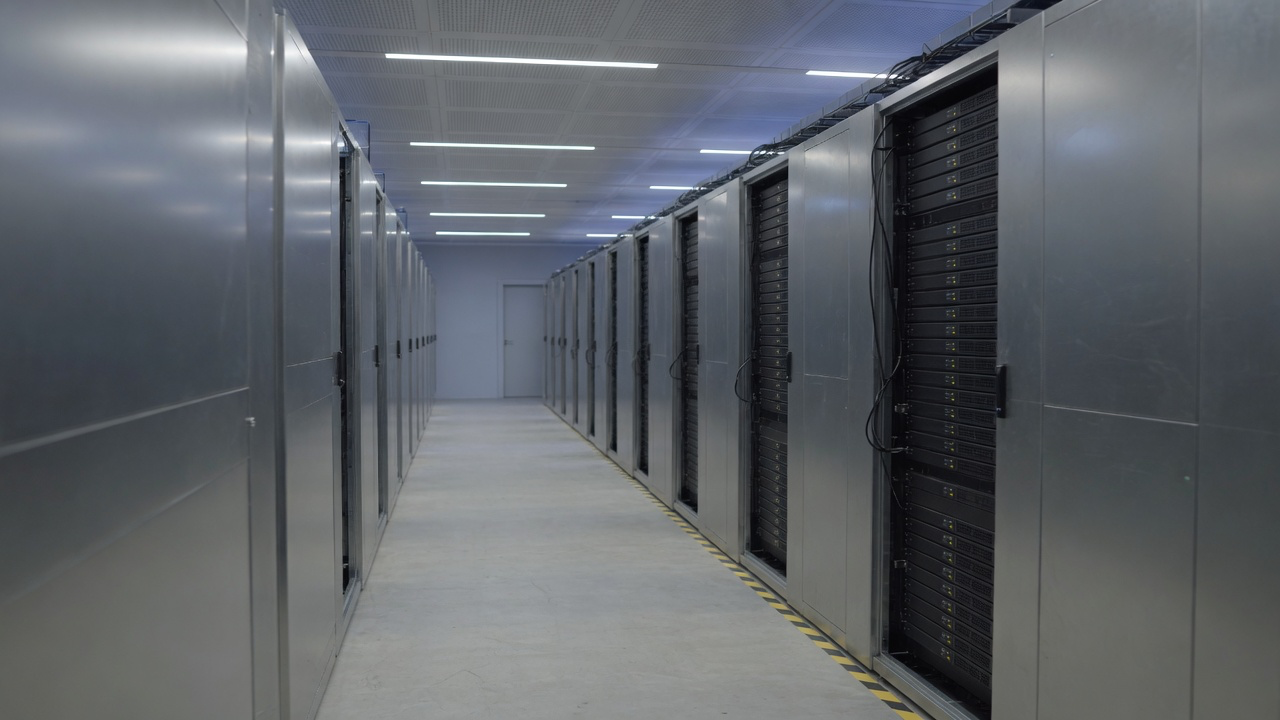
Nvidia’s AI software licensing model carries list prices up to $4,500 per GPU annually, creating high-margin recurring revenue alongside chip hardware.

Learn how spinoffs, split-offs, and carve-outs differ, including Section 355 tax-free rules, exchange offer math, and shareholder cost basis allocation.

Marvell Technology doubled its revolving credit facility to $3 billion with Bank of America, adding a $2 billion accordion and M&A leverage step-up.
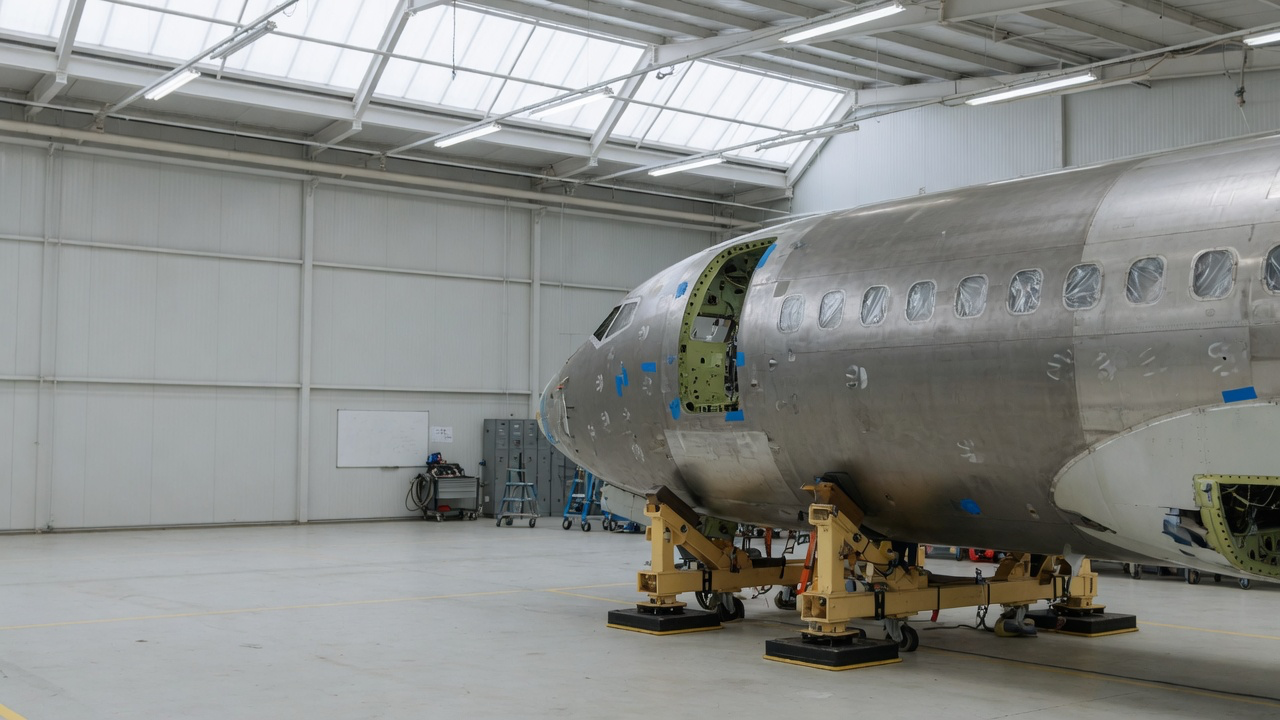
Lockheed Martin reported Q3 2026 sales of $20.7B, up 11%, driven by a record $292B backlog and PAC-3 interceptor awards, raising full-year profit guidance.

Learn how portfolio rebalancing restores target asset allocation, controls risk drift, and minimizes taxes using calendar rules and tolerance bands.
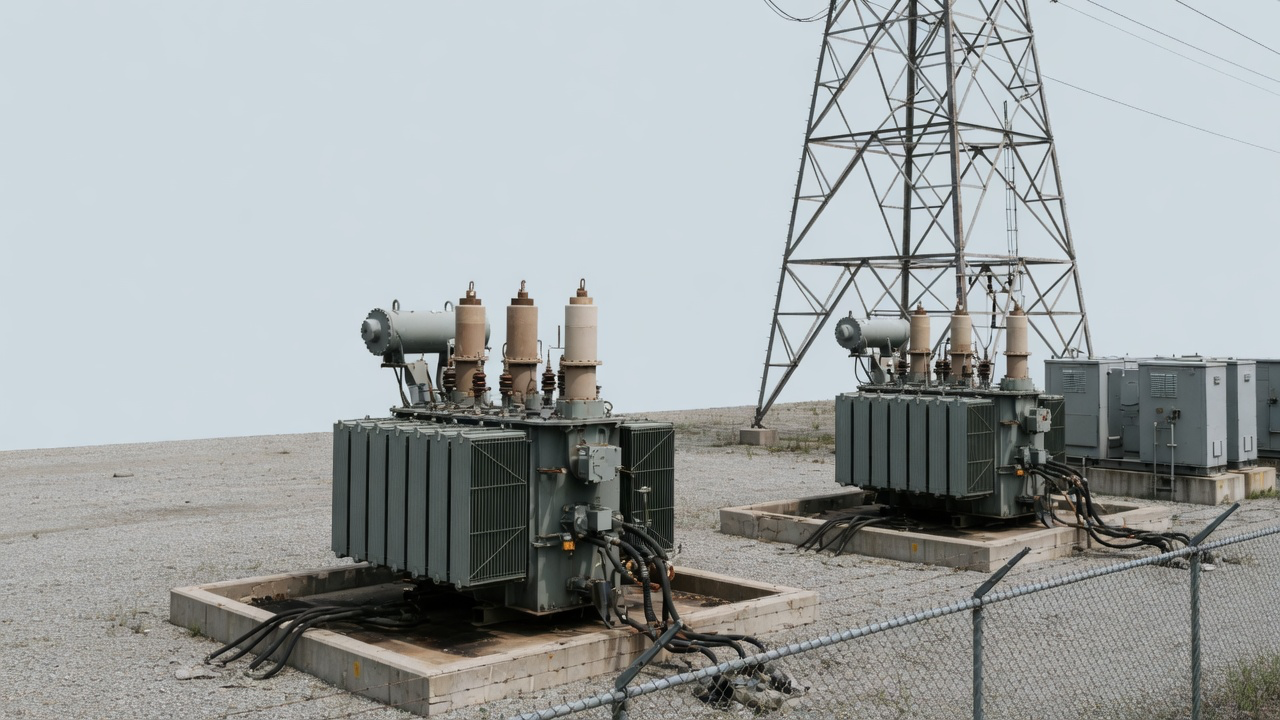
TeraWulf expanded its senior secured credit facility to $400 million with Morgan Stanley, adding a $150 million accordion and lifting letter of credit caps.

American Express posted record Q3 2026 revenue of $20.1B and raised full-year EPS guidance to $18.30–$18.60 on strong cardholder spending and credit quality.

Learn how rights offerings work, how subscription ratios and theoretical ex-rights price (TERP) protect shareholder value, and the cost of expiring unexercised.