Skyworks Completes $22B Qorvo Merger to Form RF Giant

Skyworks Solutions closes its $22B merger with Qorvo, combining RF portfolios with $500M+ in cost synergies, $2B in senior notes, and 63/37 ownership.

Skyworks Solutions closes its $22B merger with Qorvo, combining RF portfolios with $500M+ in cost synergies, $2B in senior notes, and 63/37 ownership.

Learn what fallen angels and rising stars are in corporate bond markets, how credit rating migrations trigger forced selling, and why spreads widen.

Minerals Technologies priced $400M of 7.500% senior notes due 2032 to redeem 5.000% debt due 2028 and expand its credit facility to $500M.

CareTrust REIT completed an initial £576M UK care home acquisition from LNT, creating an accretive NNN-to-SHOP bridge and lifting 2026 Normalized FFO guidance.

Snowflake closed an upsized $3.75B zero-coupon convertible debt offering due 2029 and 2031 with 150% capped calls and repurchased $261.8M of 2027 notes.

Compare high-yield bonds and leveraged loans. Learn how seniority, fixed vs. floating rates, call protection, covenants, and recovery rates differ.

Accelevation Holdings Corp. prices its $540M Nasdaq IPO at $18.00 per share to expand AI data center power systems and repay term loan borrowings.
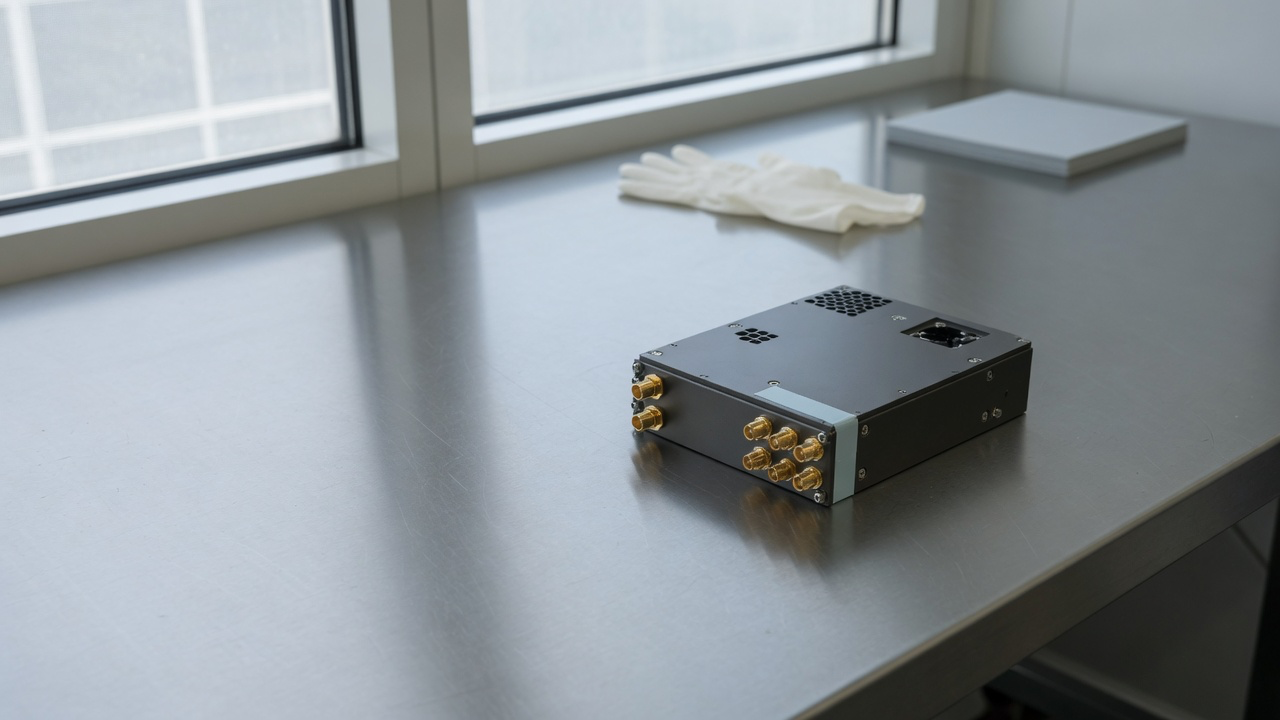
WISeSat.Space begins trading on Nasdaq as SAIQ following the completion of its $250 million SPAC merger with Columbus Acquisition Corp. and a $10M PIPE.

Getty Images was delisted by the NYSE after making late coupon payments within a 30-day grace period, shifting to OTC trading amid $1.33B in debt.

The 2s10s Treasury yield curve steepened to +46 bps as the 10-year yield held at 5.24%, creating a challenging refinancing backdrop for corporate borrowers.