AI Debt Deluge Meets Pushback: Cover Ratio Halves to 2x
Hyperscaler bond books have slid from 5x oversubscribed in February to under 2x by July, as AI-related debt heads to $570B and Moody’s warns.

Hyperscaler bond books have slid from 5x oversubscribed in February to under 2x by July, as AI-related debt heads to $570B and Moody’s warns.
Palantir Q2 2026 revenue hit $1.94B (+93% YoY), EPS $0.41 vs $0.34, US commercial +149% to $764M. FY26 guide raised to $8.15B. PLTR +29% to $162.66.

The wheel strategy in plain English: sell a cash-secured put, take assignment, sell covered calls, get called away, repeat. Mechanics, math, mistakes.
IonQ (NYSE: IONQ) completed its $1.8B cash-and-stock takeover of SkyWater Technology on July 31, 2026, giving the quantum firm its own U.S. silicon foundry.

Chevron’s Q2 profit hit $12.1B — nearly 5x last year — on record US output, 4.07 mmboe/d worldwide, Hess-Permian growth. EPS $6.11 vs $4.24 consensus.

A step-by-step guide to a public company’s earnings report — the three statements, beats vs misses, GAAP vs non-GAAP, and what guidance really tells you.
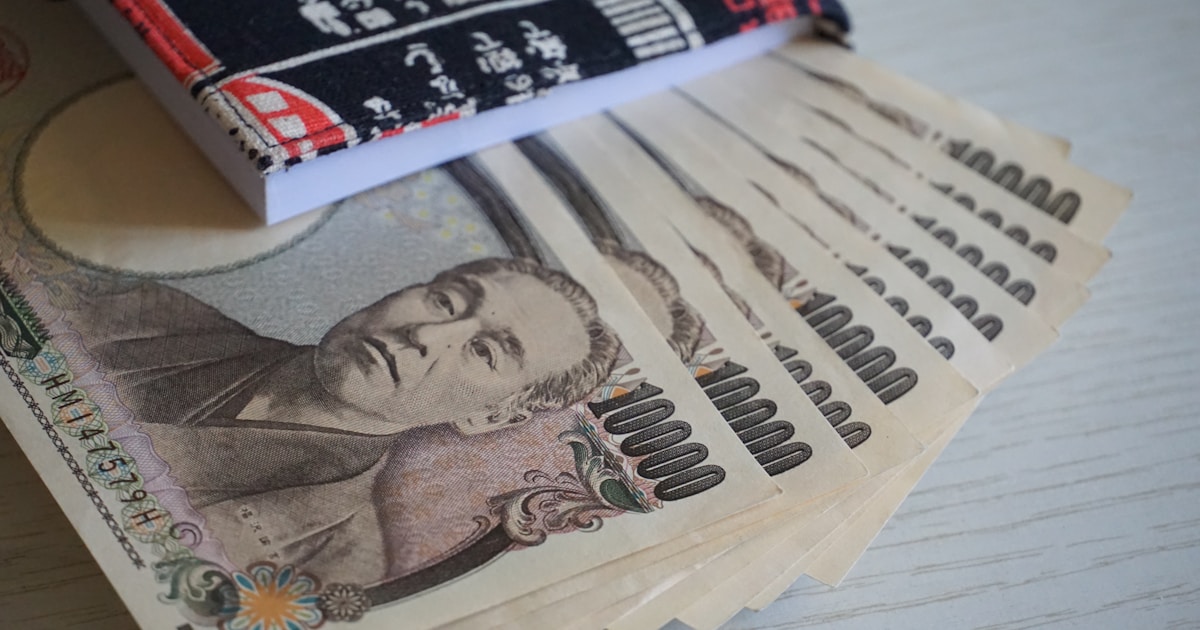
U.S. Treasury and the NY Fed joined the Bank of Japan to buy yen after USD/JPY hit 40-year highs — Washington’s first yen support in over a decade.
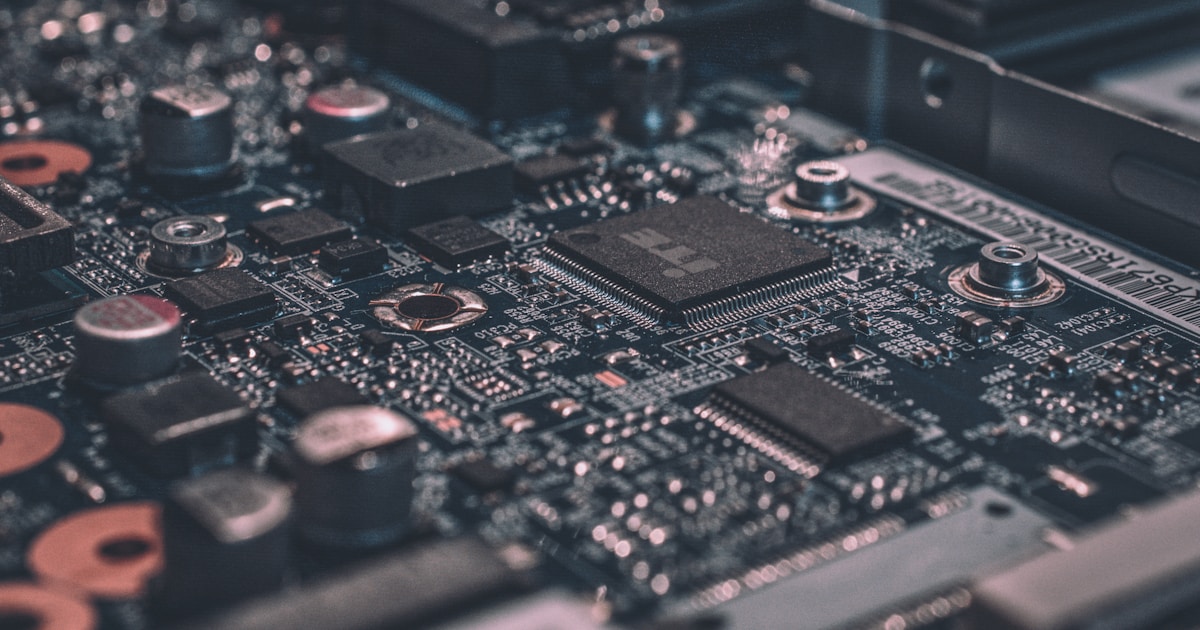
Apple stock slid 7.35% Friday after CEO Tim Cook called soaring memory chip prices a ‘100-year flood.’ Nvidia reclaimed the most-valuable-company crown.

How stock splits work, why NVIDIA and Chipotle did them, and when a reverse split signals distress. Real numbers, no jargon.

Ferguson Enterprises (FERG) joins the S&P 500 on Aug 5, taking the slot Electronic Arts vacates as its $55B take-private closes.