ADRs Explained: How to Own TSMC, Alibaba, and Toyota
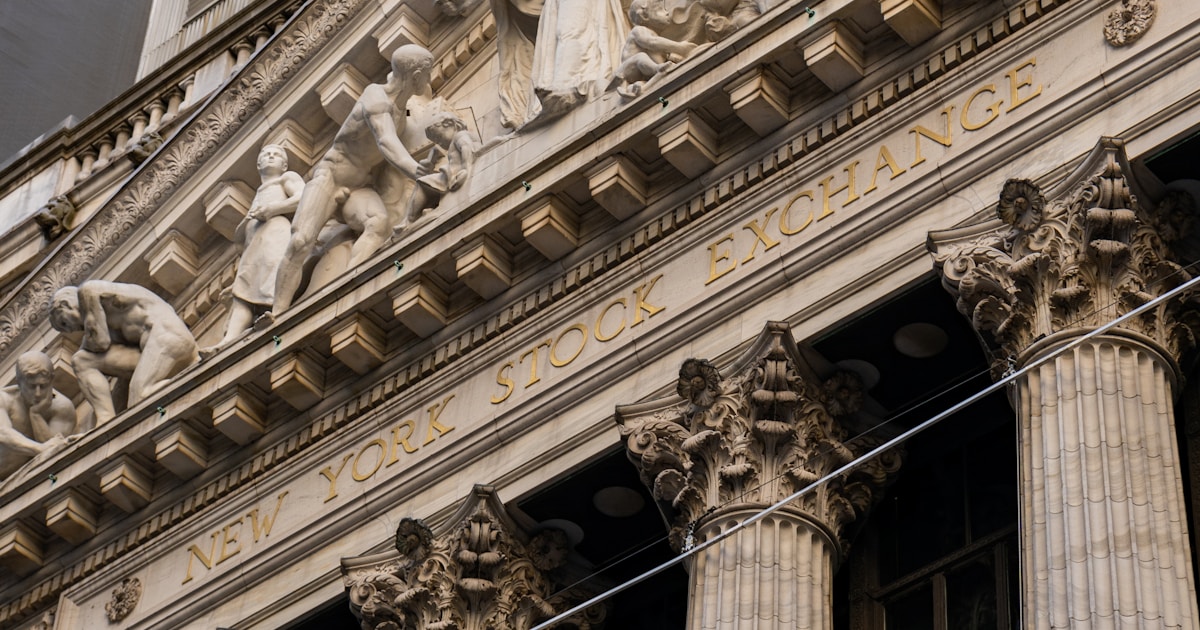
American Depositary Receipts let U.S. investors buy foreign stocks in dollars on U.S. exchanges. How they work, in plain English.

Coverage of public technology companies, semiconductors, software, cloud infrastructure, and digital platforms. Articles examine reported results, investment cycles, and competitive economics.
American Depositary Receipts let U.S. investors buy foreign stocks in dollars on U.S. exchanges. How they work, in plain English.

How stock splits work, why NVIDIA and Chipotle did them, and when a reverse split signals distress. Real numbers, no jargon.
SanDisk surged 21% intraday after Micron’s record Q3 print, then gave back gains as profit-takers crowded the AI memory trade.
SK Hynix will raise up to $29.43B via a Nasdaq ADR listing on July 10, eclipsing Alibaba’s 2014 NYC debut as the largest foreign-issuer ADR ever.
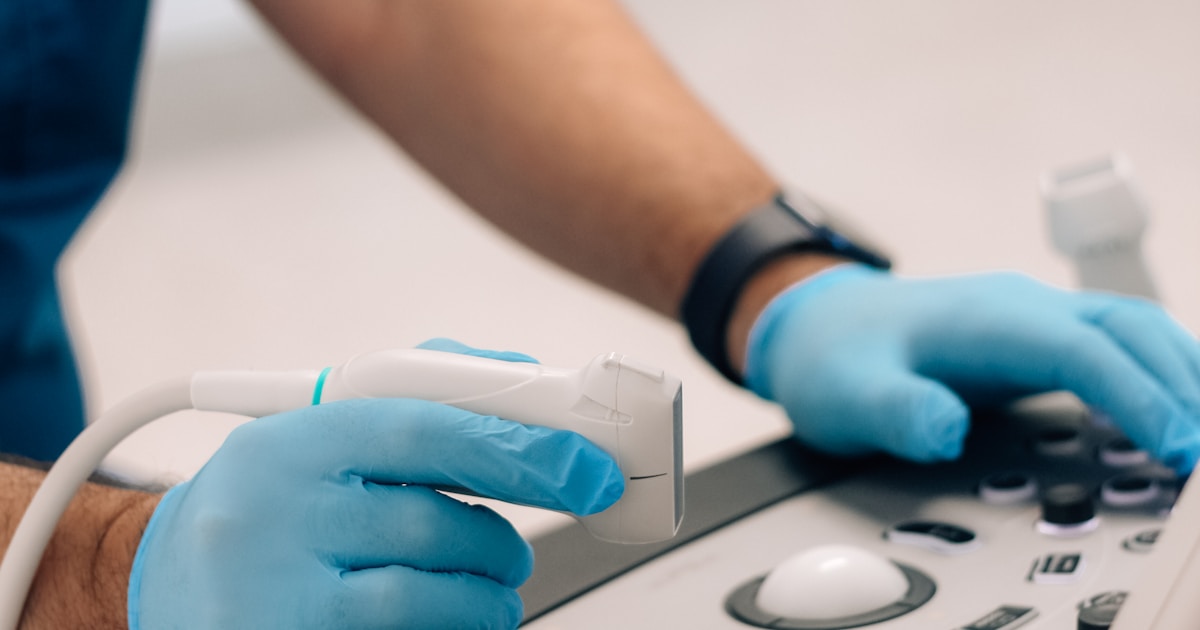
Butterfly Network jumped 56% to $8.90 after Midjourney unveiled a full-body scanner using 40 ultrasound-on-chip modules under a $74M license deal.

US convertible bond pricings ran 43% above 2025’s H1 pace through mid-June, with Ciena, Akamai, and ON Semi tapping the market at zero coupons.

NVIDIA priced a $25B seven-tranche bond on June 15, upsizing from $20B — its first debt sale since 2021 and the largest in its history.

The S&P 500’s 10 largest stocks now command roughly 37% of the index — exceeding the 2000 dot-com peak. Here’s the data and what it means.
Micron prints fiscal Q3 on June 24 after a 244% YTD run to a $1.1T market cap. Here’s what the HBM, DRAM, and margin commentary needs to show.
Morgan Stanley calls it a structural shortage. DRAM, NAND and HBM contract prices are climbing as AI servers reroute the world’s memory output.