Covered Calls Explained: How They Work and When They Don’t

A plain-English guide to covered calls: mechanics, payoff, breakeven, a real worked example, when the strategy earns its premium, and when it costs you.

Learn how stocks, bonds and capital markets work. Explore plain-English explanations, worked examples and charts, then follow related coverage to connect market concepts with current events. Find your way around ECMSource.
A plain-English guide to covered calls: mechanics, payoff, breakeven, a real worked example, when the strategy earns its premium, and when it costs you.

Payment for order flow (PFOF) is how zero-commission brokers get paid. Here’s exactly who pays whom, what Rule 606 discloses, and why regulators disagree about it.

How yield to maturity, yield to call, and yield to worst work — with formulas, worked examples, current Treasury yields, and why bond desks quote YTW.

Options primer: how calls and puts work, what strike, expiration, and premium really mean, plus intrinsic vs time value.
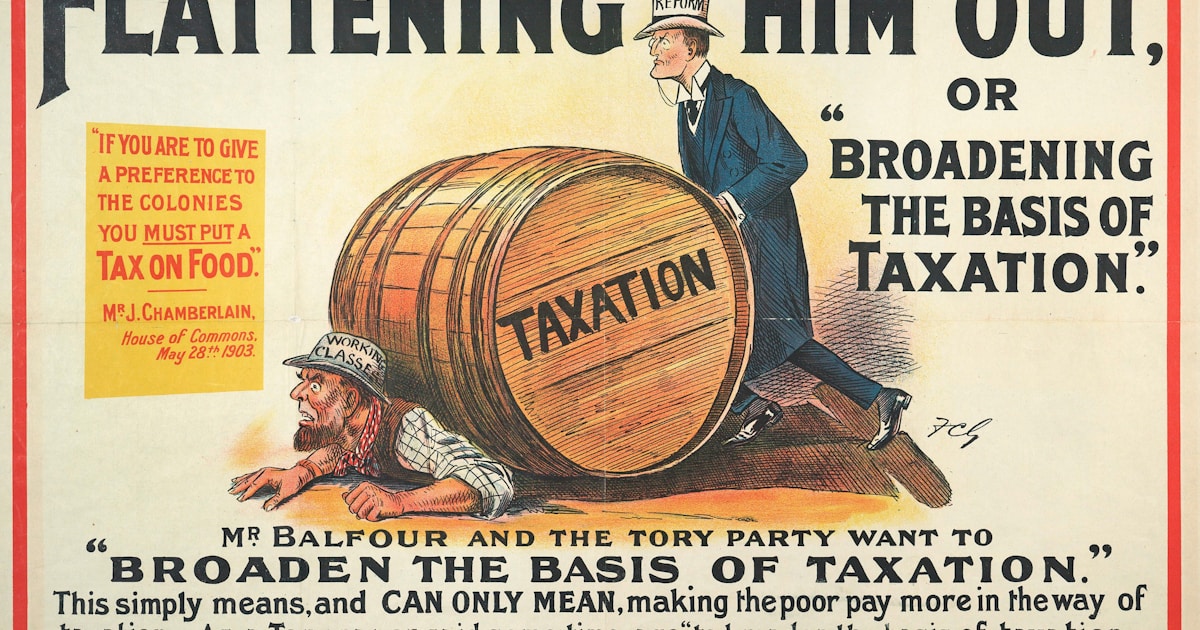
T-Bills, T-Notes, and T-Bonds explained: maturities, coupon math, auction schedule, and the live June 2026 yield curve, with worked examples.

P/E ratio formula, trailing vs forward, sector benchmarks, Shiller CAPE, and the five cases where price-to-earnings flat-out misleads investors.

How VC actually works: seed through growth, what’s in a term sheet, how dilution stacks up round by round, and what happens when a down round hits.

What earnings whisper numbers are, what post-earnings announcement drift (PEAD) is, and why a ‘beat’ sometimes sends a stock lower.
How the Treasury cash-futures basis trade actually works: repo-financed long bonds, short futures, the convergence math, and why hedge funds risk $1T+ on it.

How IPO lock-up periods work, why 180 days is standard, the SEC and FINRA rules behind them, and what tends to happen to the stock when they expire.