
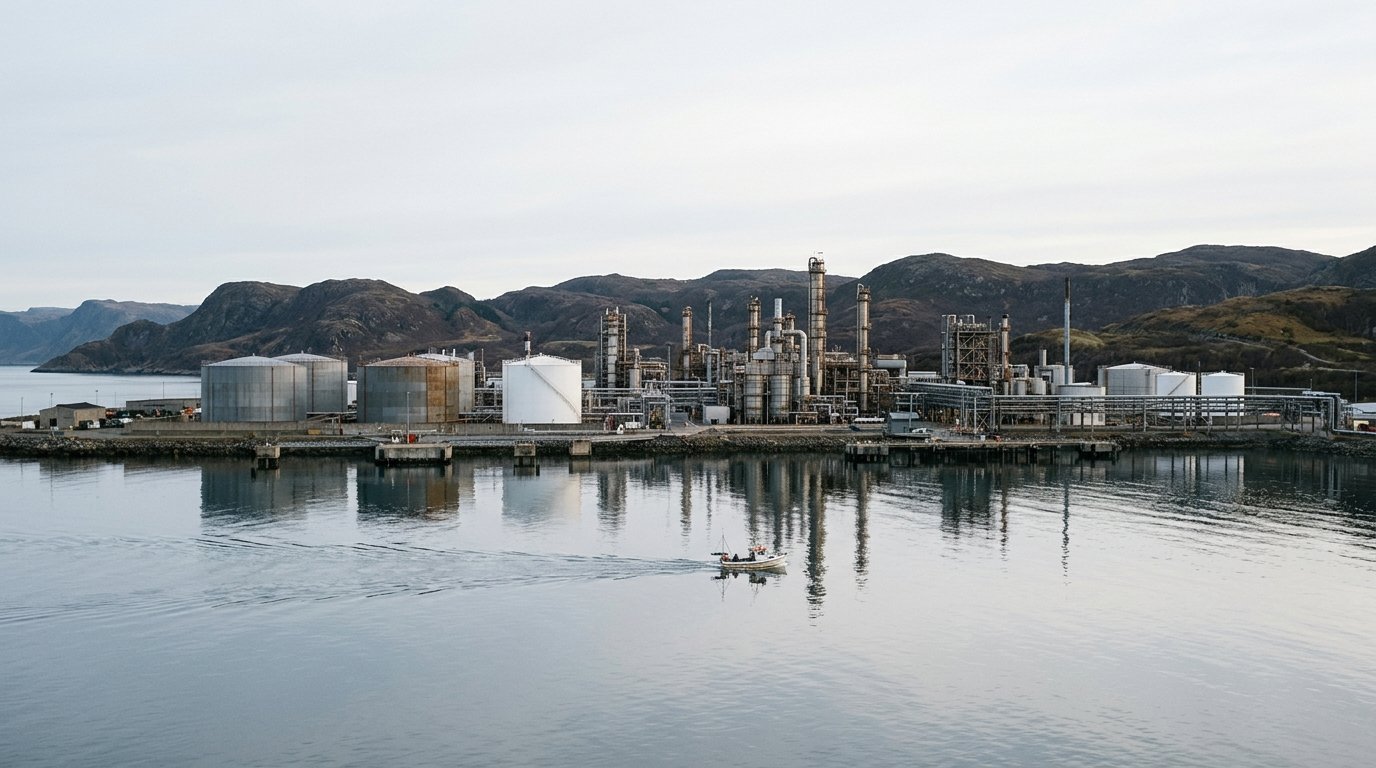
The landmark public offering of Dangote Petroleum Refinery and Petrochemicals officially opened for subscription on the Nigerian Exchange (NGX) on Monday, September 14, 2026 (as of 9:00 AM WAT / 4:00 AM EDT). Targeting gross proceeds of ₦2.15 trillion (approximately $1.60 billion USD), the transaction represents the largest initial public offering in African capital markets history. With a green-shoe option that could lift total fundraising to $2.10 billion, the offering establishes a public valuation of roughly $48 billion for the massive 650,000 barrel-per-day facility in Lekki, Lagos.
The commencement of trading subscriptions follows weeks of structural preparation and comes on the heels of the company’s $2.5 billion pre-IPO private placement in August 2026, which was led by the Africa Finance Corporation (AFC) and closed 3.7 times oversubscribed. By executing a domestic primary listing with an exceptionally low retail subscription threshold, the transaction is designed to broaden domestic institutional participation while democratizing equity ownership across West Africa’s largest economy.
Key Takeaways
- Historic Size and Scope: The ₦2.15 trillion ($1.60 billion) base offer consists of 4.10 billion ordinary shares priced at ₦525 per share, valuing the refinery at approximately $47 billion to $49 billion.
- Significant Greenshoe Mechanism: An over-allotment provision of up to approximately $500 million can be exercised within 30 days if secondary demand exceeds base allocation, potentially expanding total gross proceeds to $2.10 billion.
- Democratized Retail Entry: The minimum subscription threshold was set at just 10 shares (₦5,250, or roughly $3.90 USD), resulting in over ₦10 billion ($7.5 million) in retail commitments during the opening hour of trading.
- Aggressive Downstream Expansion: Net proceeds will be deployed into capital expenditures aimed at doubling total processing capacity from 650,000 barrels per day to 1.40 million barrels per day by 2029.
Transaction Architecture and Valuation Multiples
The public offering arrives at a pivotal juncture for global energy infrastructure. With international crude benchmarks hovering near multi-month highs and refined product supply chains strained across the Atlantic basin, DPRP’s commercial integration is shifting West Africa from an importer of European refined fuels into a self-sufficient processing hub. Understanding how IPOs shape equity capital markets reveals that DPRP’s transition from private equity-backed infrastructure to a publicly traded blue-chip establishes an unprecedented benchmark for regional asset valuation.
According to prospectus documentation filed with the Securities and Exchange Commission (SEC) Nigeria and published on the NGX portal, the offer consists entirely of primary issuance ordinary shares. At the offer price of ₦525 per share, DPRP trades at an estimated enterprise-value-to-capacity multiple of roughly $74,000 per barrel per day of refining capacity, comparing favorably against replacement costs for modern coastal refineries in Asia and the Middle East.
| Offering Metric | Term / Value |
|---|---|
| Issuer | Dangote Petroleum Refinery & Petrochemicals FZE |
| Listing Venue | Nigerian Exchange (NGX) |
| Offer Price per Share | ₦525.00 |
| Base Ordinary Shares Issued | 4,095,238,095 shares |
| Base Gross Proceeds | ₦2.15 Trillion (~$1.60 Billion USD) |
| Over-Allotment (Greenshoe) Option | Up to $500 Million (Total up to $2.10 Billion) |
| Implied Total Equity Valuation | $47.0 Billion – $49.0 Billion USD |
| Minimum Retail Application | 10 shares (₦5,250 / ~$3.90 USD) |
| Subscription Window | September 14, 2026 – October 13, 2026 |
| Anticipated Trading Debut | November 2026 |
| Lead Issuing Houses | Vetiva Capital, Chapel Hill Denham, Stanbic IBTC |
Comparing Historic African Capital Markets Offerings
To contextualize the scale of DPRP’s public offering, one must evaluate historical equity raises across African exchanges. For over two decades, the continent’s largest capital market offerings were dominated by telecom privatizations and dual-listed natural resource producers. DPRP’s $1.60 billion base offering surpasses previous landmark transactions, including Maroc Telecom’s 2004 privatization ($1.09 billion) and Airtel Africa’s 2019 dual London-Lagos listing ($750 million).
Retail Distribution and Domestic Capital Deepening
A distinctive feature of DPRP’s offering is its deliberate structural inclusion of Nigerian retail investors. In developing markets, mega-offerings are frequently cornerstoned by offshore sovereign wealth funds or multinational development banks, leaving local savers sidelined. By mandating a 10-share minimum subscription (₦5,250), the issuing syndicate opened participation to retail accounts through certified digital brokerage portals and local banking apps.
The operational response was immediate: lead issuing houses reported over ₦10 billion ($7.5 million USD) in confirmed retail orders processed within the initial 60 minutes of the portal launch on September 14. This retail momentum mirrors the broad interest seen in corporate debt markets, where investors closely track how oil price swings affect credit and bond valuations across heavy industry.
Strategic Capital Allocation: Path to 1.4 Million Barrels Daily
Proceeds generated from the 4.10 billion share sale will be channeled primarily into DPRP’s Phase 2 modular expansion program. While Phase 1 demonstrated full operational capacity at 650,000 barrels per day—processing domestic crude feedstock alongside international light sweet crude—management has outlined a multi-year blueprint to scale total processing throughput to 1.40 million barrels per day by 2029.
This expansion includes specialized petrochemical refining units designed to boost production of polypropylene, linear alkyl benzene, and agricultural urea, enhancing margin resilience across various crude price cycles. If executed according to timetable, the facility would rank among the three largest refining hubs globally, drastically altering international energy logistics between the Atlantic basin and sub-Saharan Africa.
Key Risks and Execution Headwinds
While the transaction sets unprecedented milestones, prospective equity investors and market participants must evaluate several structural risk factors outlined in the listing prospectus:
- Feedstock Supply Continuity: The refinery’s margins depend directly on reliable domestic crude supplies from the Nigerian National Petroleum Company Limited (NNPCL) under the naira-for-crude framework. Pipeline vandalism or delivery disruptions in the Niger Delta remain persistent operational variables.
- FX Conversion and Currency Volatility: While primary shares are denominated in Nigerian naira (₦), the company services significant foreign-currency obligations incurred during plant construction. Severe fluctuations in the USD/NGN exchange rate could introduce foreign exchange translation variance into quarterly earnings.
- Secondary Market Liquidity Absorption: Introducing an asset valued near $48 billion onto an exchange with a pre-listing domestic equity capitalization of roughly $40 billion represents a massive liquidity test. The float must be absorbed by domestic pension funds (PFAs) and institutional asset managers without crowding out other sector liquidity.
What to Watch Next
The 30-day primary subscription window remains open through Monday, October 13, 2026. Capital market participants will closely monitor weekly subscription updates from lead issuing houses Vetiva Capital and Chapel Hill Denham. Following regulatory allotment approval from the SEC in late October, the shares are scheduled to commence formal trading on the NGX Main Board in mid-November 2026 under the DPRP ticker symbol.
Disclosure: This article is for informational purposes only and is not investment advice.
Sources
- Nigerian Exchange (NGX) — Official Prospectus and Offering Details for Dangote Petroleum Refinery
- Africa Finance Corporation (AFC) — DPRP Pre-IPO Placement and Syndication Report
- CNBC Africa — Dangote Petroleum Refinery Launches Historic ₦2.15T IPO on NGX
- Business Insider Africa — Retail Surge and Allotment Terms for Africa’s Largest Public Listing