
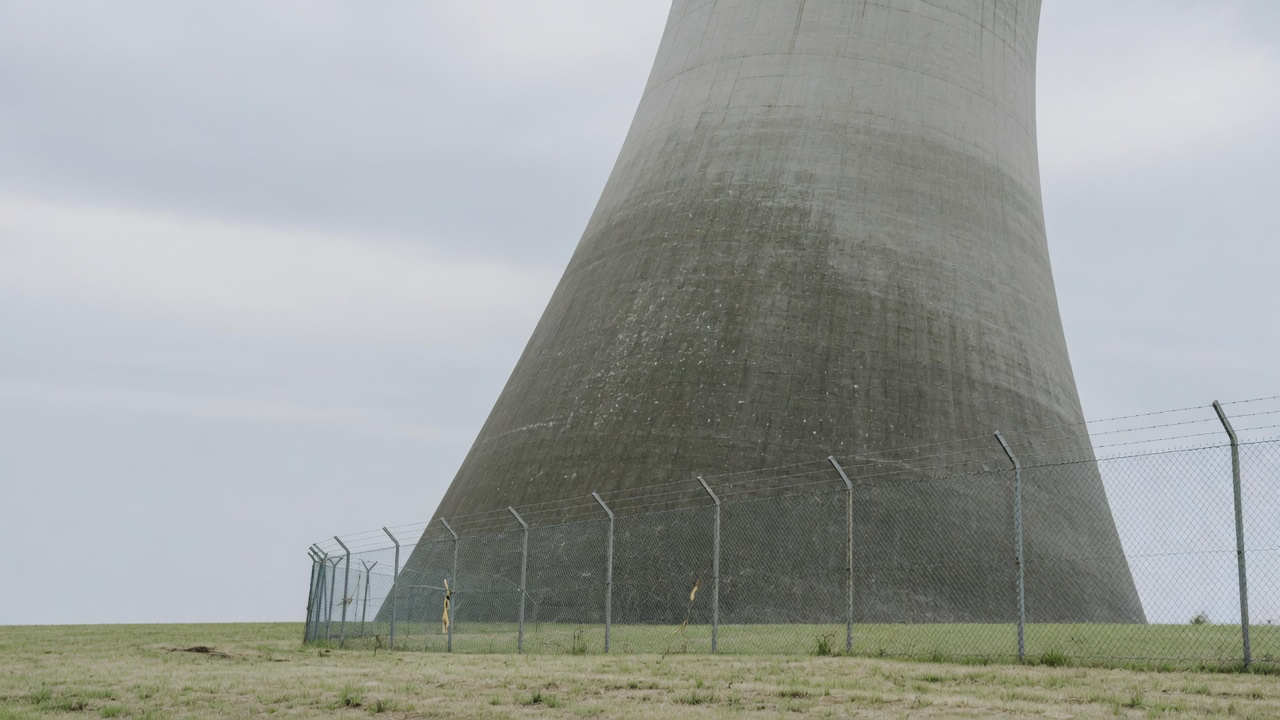
Shares of Constellation Energy Corp. (NASDAQ: CEG) surged more than 12% in Tuesday trading on October 6, 2026, leading gainers across the S&P 500 after Alphabet Inc. (NASDAQ: GOOG, GOOGL) signed a landmark long-term clean energy agreement valued at more than $4.3 billion. The commercial deal commits Google to purchasing 890 megawatts (MW) of new carbon-free capacity generated by nuclear reactor uprates across six operating stations on the PJM Interconnection grid, alongside a 15-year supply contract for 2,700 MW of existing nuclear output.
The transaction represents one of the largest corporate clean energy transactions in American history and highlights how hyperscalers are racing to secure firm, around-the-clock baseload power for artificial intelligence infrastructure without exacerbating regional grid bottlenecks.
Key Takeaways
- 890 MW Capacity Expansion: Constellation will modernize turbines, steam generators, and digital control systems across six nuclear plants in Illinois, Pennsylvania, and New Jersey, with the first uprate scheduled for delivery in 2028.
- $4.3 Billion Capital Program: Backed by Google’s 20-year commercial commitments, Constellation will fund upgrades to 11 individual reactors without passing development costs to retail electricity customers.
- Dual Commercial Structure: In addition to the 890 MW uprates, Google contracted for 2,700 MW of existing nuclear generation over a 15-year term, securing power for regional data center operations.
- AI Integration in Energy Operations: Under an accompanying five-year agreement, Constellation will deploy Google Cloud’s Gemini Enterprise agents for site selection, power flow modeling, and asset health monitoring.
Why Hyperscalers Are Turning to Reactor Uprates
As electricity demand from artificial intelligence clusters accelerates, major technology platforms face severe transmission interconnection queues and multi-year lead times for newly permitted generation. Constructing a conventional greenfield nuclear plant requires upwards of a decade in regulatory review and capital deployment. In contrast, nuclear reactor uprates offer an immediate pathway to deploy incremental megawatts at existing, already-connected nuclear generation facilities.
According to the official Constellation Energy press release, the 890 MW of incremental capacity matches the aggregate output of several Small Modular Reactors (SMRs) or a large conventional nuclear reactor, delivered at significantly lower execution risk. The initiative aligns with the federal government’s UPRISE framework and responds directly to PJM’s “Bring Your Own Power” initiative, which encourages industrial energy users to bring proprietary supply onto the transmission system.
For foundational context on how data center power requirements are transforming utility balance sheets, explore ECMSource’s market guide on nuclear energy and AI data center demand or visit the ECMSource beginner hub for core market mechanics.
Commercial Terms and Regulatory Framework
Constellation operates the largest commercial nuclear fleet in the United States, representing approximately 55 gigawatts of generating capacity across all fuel sources. In its Form 10-Q filing with the SEC, the company noted that “beginning in 2024, our existing nuclear fleet is eligible for a nuclear PTC, an important tool in managing commodity price risk for each nuclear unit not already receiving state support.”
The Google collaboration builds on this policy baseline by pairing statutory clean power incentives with direct private-sector capital. The commercial agreement features four core pillars:
- Targeted Reactor Improvements: Physical engineering improvements across six sites to expand turbine throughput and steam efficiency.
- Grid Affordability Protections: In accordance with the White House Ratepayer Protection Pledge, Google directly funds the capital expenditure, insulating residential rate bases from grid expansion costs.
- Demand Flexibility: Constellation and Google established operational load-shaping protocols to curtail non-critical data center consumption during peak regional stress events on PJM.
- Economic Investment: The agreement supports approximately 4,400 existing operating jobs and creates an estimated 7,200 union construction jobs across host communities in the Mid-Atlantic and Midwest.
| Corporate Buyer | Power Provider | Capacity (MW) | Structure | Term |
|---|---|---|---|---|
| Google (Alphabet) | Constellation Energy | 890 (new) / 2,700 (base) | Reactor Uprates across 6 PJM Plants | 20 Years |
| Microsoft | Constellation Energy | 835 | Three Mile Island (Crane Clean Energy) Restart | 20 Years |
| Amazon Web Services | Talen Energy | Up to 960 | Behind-the-Meter Susquehanna Campus | 10 Years |
Market Reaction and Industry Implications
The deal sparked widespread buying across the independent power producer (IPP) and regulated utility sectors. Constellation shares advanced over 12% following the announcement, reinforcing the market narrative that nuclear operators enjoy strong pricing power when negotiating long-term contracts with balance-sheet-rich technology titans.
Whereas previous corporate clean power procurement centered primarily on virtual power purchase agreements for intermittent wind and solar, the AI infrastructure wave requires uninterruptible 24/7/365 power. With Google committing capital to uprates and Microsoft underwriting the restart of Crane Clean Energy Center, merchant nuclear power plants have transitioned from commodity-exposed generators into strategic infrastructure assets.
What investors will watch next is regulatory execution: reactor uprates require license amendments from the Nuclear Regulatory Commission (NRC), and PJM transmission interconnection studies will determine the precise schedule for integrating the 890 MW of incremental supply starting in 2028.
Disclosure: This article is for informational purposes only and is not investment advice.
Sources
- Constellation Energy Press Release: Google and Constellation Announce Landmark Agreement (October 6, 2026)
- U.S. Securities and Exchange Commission: Constellation Energy Corp. Form 10-Q Quarterly Report (Q2 2026)
- Yahoo Finance: Google Signs 20-Year Nuclear Deal With Constellation Energy to Power AI Build-Out
- CNBC: Stocks Making the Biggest Moves Midday (October 6, 2026)