
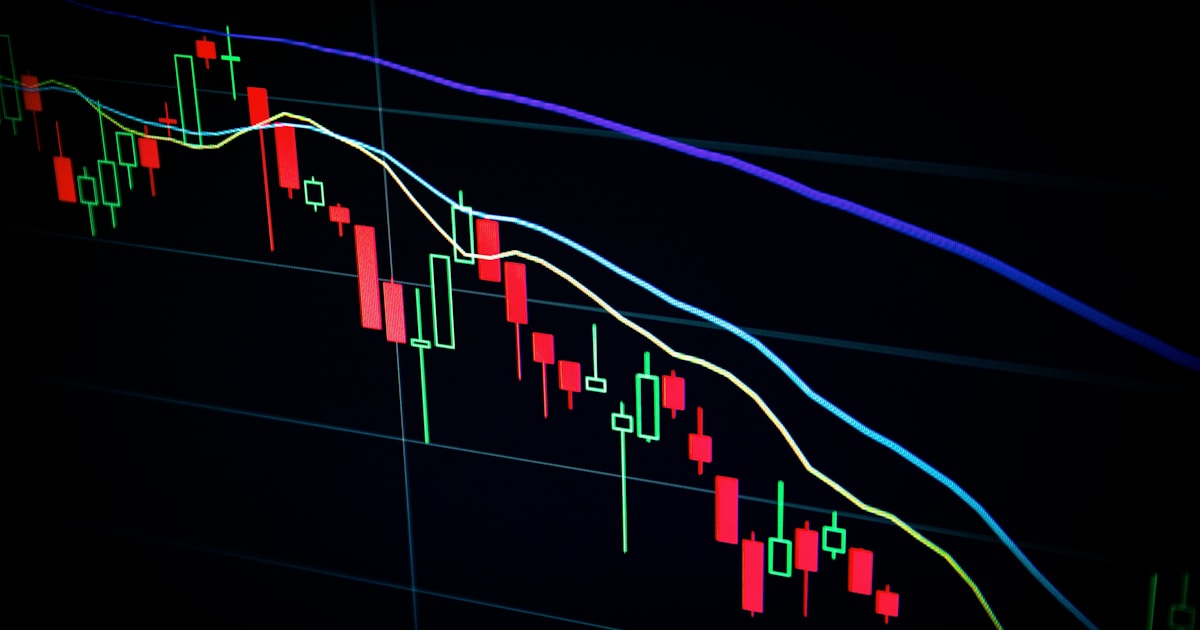
American consumers have never been this gloomy — at least not in the last seven decades. The University of Michigan’s Consumer Sentiment Index fell to its lowest reading in the survey’s 70-year history in April 2026, driven by an unrelenting combination of war-driven energy prices, persistent inflation, and growing fears that the economy is sliding toward stagflation.
For investors, extreme consumer pessimism is more than just a headline. It signals a potential reset in spending patterns that ripples across retail, housing, and auto stocks — while historically also flashing one of the most reliable contrarian buy signals in market history.
What’s Behind the Historic Collapse
Consumer sentiment rarely crashes this sharply unless multiple pressures converge simultaneously. In April 2026, they have.
Gas prices surged to their highest level in nearly two years after Strait of Hormuz disruptions tied to the US-Iran conflict constricted global crude supply. Energy economists at major Wall Street banks estimate the conflict has removed roughly 3-4 million barrels per day from effective global supply, pushing Brent crude above $120 per barrel and translating directly into pump prices that are pinching household budgets nationwide.
That energy shock compounded an already-elevated inflation environment. CPI data for March 2026 rose by the largest monthly amount since 2022, according to the Bureau of Labor Statistics. From grocery aisles to rent payments, costs have climbed faster than wages for many households. A separate survey analysis found the gap between high-income wage growth and everyone else is now at its widest point since 2015 — meaning lower- and middle-income consumers, who make up the bulk of discretionary spending, are being squeezed most severely.
“The public has never hated the economy this much,” noted one widely cited consumer research report summarizing the April survey data. That framing, however hyperbolic, captures the statistical reality: sentiment readings of this magnitude have historically occurred only during wartime economic shocks or deep financial crises.
Which Stocks Feel the Pain First
Consumer sentiment doesn’t move markets in isolation — it works through spending behavior. When households turn pessimistic, they defer big-ticket purchases, trade down on everyday items, and curtail discretionary activities. That behavioral shift has predictable sector-level consequences.
Consumer Discretionary: Highest Exposure
Retailers, restaurants, and leisure companies that rely on non-essential spending are in the crosshairs. Apparel retailers, luxury goods companies, and casual dining chains typically see the earliest revenue pressure as confidence drops. Automotive stocks are similarly vulnerable — new car purchases are highly deferrable, and both conventional automakers and EV-focused companies like Rivian (RIVN) and Tesla (TSLA) already face demand softness in this environment.
Companies with elevated inventory positions or high fixed-cost structures are most at risk. Analysts have begun revising down Q2 and Q3 revenue estimates for mid-tier retailers and mall-based apparel chains in anticipation of a consumer pullback.
Housing: Affordability Squeeze Intensifies
Homebuilder stocks face a dual headwind. Mortgage rates remain elevated as the Federal Reserve holds rates steady amid inflation concerns, while consumer confidence collapses make prospective buyers even more hesitant to make the largest purchase of their lives. A housing market already described as “shifting toward buyers” in certain regions could see further inventory buildup and price softening in the coming months.
Staples and Discounters: Relative Safety
Not all consumer-facing businesses suffer equally. Discount retailers, dollar stores, and warehouse clubs historically benefit from consumer downturns as households trade down to lower-cost alternatives. Grocery chains with private-label offerings and warehouse clubs like Costco tend to gain market share as spending becomes more price-conscious. Defensive consumer staples — household products, packaged food — also attract capital during periods of elevated economic anxiety.
The Fed’s Impossible Equation
Collapsing consumer confidence normally signals that the central bank should cut rates to stimulate the economy. But the Federal Reserve faces an unusual bind: inflation is still running hot, driven partly by energy costs that monetary policy cannot directly address.
Fed Chair Jerome Powell has repeatedly warned that the central bank cannot cut rates while inflation expectations remain elevated. The March Fed minutes revealed that officials are watching the Iran conflict’s inflationary pass-through closely before committing to any rate path. Rate cuts, when they eventually arrive, would provide relief for rate-sensitive sectors like housing and growth stocks — but premature cuts risk entrenching expectations of persistent inflation.
This policy uncertainty is itself a drag on sentiment. Consumers who cannot predict whether prices will stabilize or continue rising are naturally reluctant to spend on big-ticket items.
The Contrarian Case: Extreme Pessimism as a Buy Signal
Here is where history offers a counterintuitive perspective for long-horizon investors.
Survey-based consumer sentiment measures have an imperfect but notable track record as contrarian market indicators. When sentiment reaches extremes — particularly multi-decade lows — it often reflects a peak in negative outcomes already priced into the market, rather than a leading indicator of worse conditions ahead.
The 1980 recession saw consumer sentiment crash to levels that preceded one of the greatest multi-year bull markets in U.S. history. The 2008-2009 financial crisis registered historic sentiment lows precisely as equities were approaching their generational buying opportunity. In both cases, the pain driving sentiment lower was real — but the forward-looking equity market had already largely discounted it.
This dynamic doesn’t mean stocks cannot fall further. But it does suggest that investors who systematically sell when sentiment is at 70-year lows tend to lock in losses at exactly the wrong time.
The S&P 500 currently trades around 6,817, the Dow Jones Industrial Average near 47,917, and the Nasdaq around 22,903 — all off from recent highs. If earnings season, currently underway, delivers results that beat depressed analyst expectations, a sentiment-driven rally is entirely plausible even from today’s pessimistic baseline.
What to Watch
Several data points in the coming weeks will determine whether consumer pessimism translates into lasting economic damage or represents a temporary trough:
- Retail sales data: Hard spending data will confirm whether consumers are actually pulling back or merely feeling pessimistic about the future
- Energy prices: Any de-escalation in the Strait of Hormuz situation could rapidly relieve gas price pressure and shift sentiment
- Q1 earnings results: Consumer-facing companies reporting over the next three weeks will provide the first real-time read on spending trends
- Fed communication: Any signal that the Fed sees room to cut rates later in 2026 would boost consumer-rate-sensitive sectors
The key lesson from history is that consumer sentiment extremes are better read as a reflection of the present than a reliable forecast of the future. The economy that consumers hate right now may not be the economy they inhabit six months from now.
Disclosure: It is for informational purposes only and is not investment advice.