SpaceX (SPCX) Hits $2.5T as Stock Surges 43% After IPO
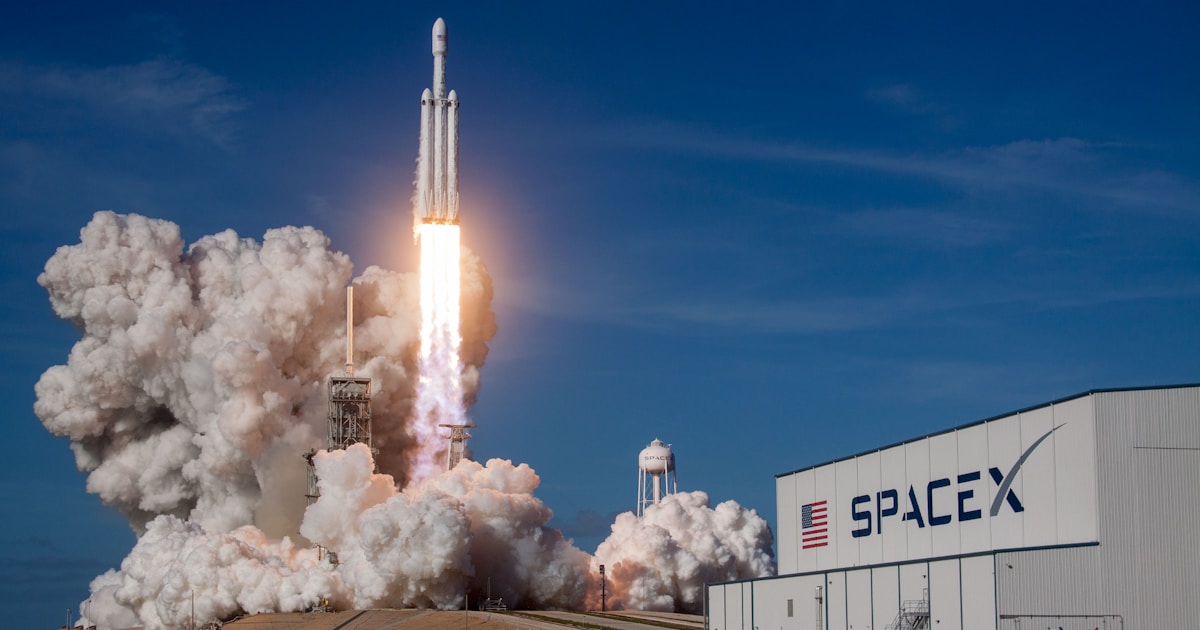
SpaceX shares closed at $192.50, up 43% from the $135 IPO price, pushing market cap to $2.52T — past Tesla and into the top 5 US stocks.

SpaceX shares closed at $192.50, up 43% from the $135 IPO price, pushing market cap to $2.52T — past Tesla and into the top 5 US stocks.

Merger arb is the spread between a target’s price and the deal price. Here is the math, the risk, and a worked example on the Paramount-WBD deal.
NVIDIA priced a $25B seven-tranche bond on June 15, upsizing from $20B — its first debt sale since 2021 and the largest in its history.
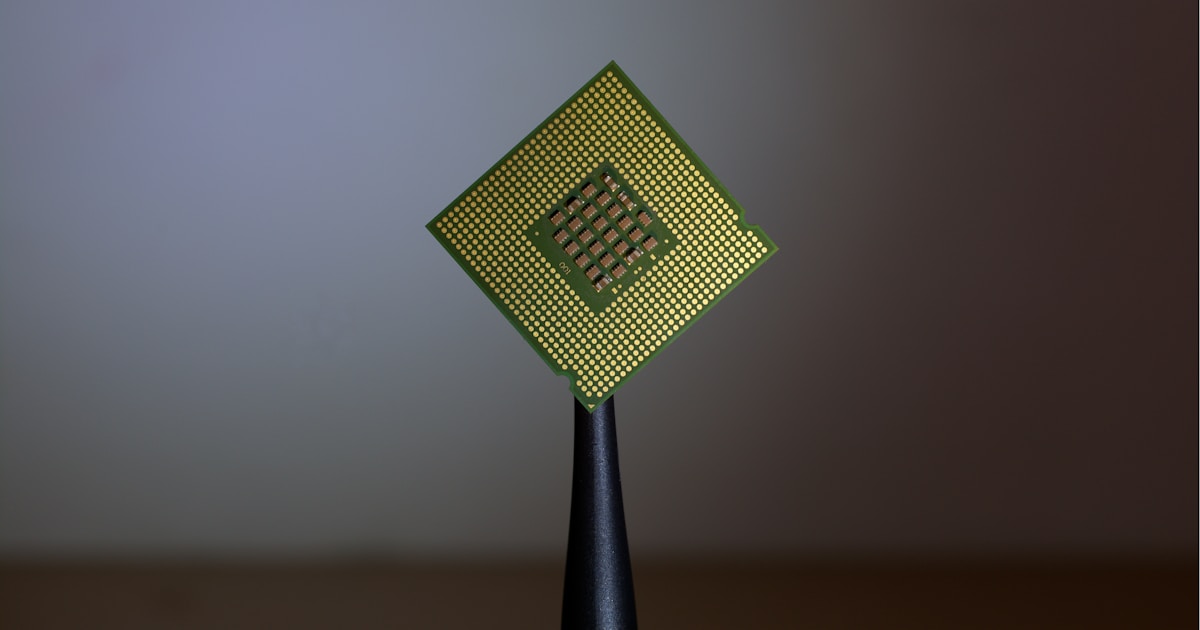
AMD jumped 8% to a record $558.37 on June 15, 2026, vaulting market cap above $900B as Ryzen AI Halo undercut Nvidia’s DGX Spark.

Net interest margin is the spread banks earn between asset yields and funding costs. Q1 2026 industry NIM hit 3.31%. Here’s how it works.
The June 16-17 FOMC is Kevin Warsh’s first meeting with a fresh Summary of Economic Projections. Here’s what bond and credit markets are pricing.
The S&P 500’s 10 largest stocks now command roughly 37% of the index — exceeding the 2000 dot-com peak. Here’s the data and what it means.

The Sortino ratio measures returns per unit of downside risk, not total volatility. Here is the formula, a worked example, and when to use it.
The Fed releases 2026 stress test results on June 24. With buffers frozen through 2027, the numbers matter — but not the way they used to.

FedEx reports Q4 FY26 on June 23 — the first print without FedEx Freight. Street sees $5.80 EPS, down 4.5% YoY. What investors are watching.