
One in five barrels of oil shipped globally used to flow through the Strait of Hormuz without a second thought. Right now, that chokepoint is a war zone — and two stock markets on opposite sides of the Pacific are making completely different predictions about what happens next.
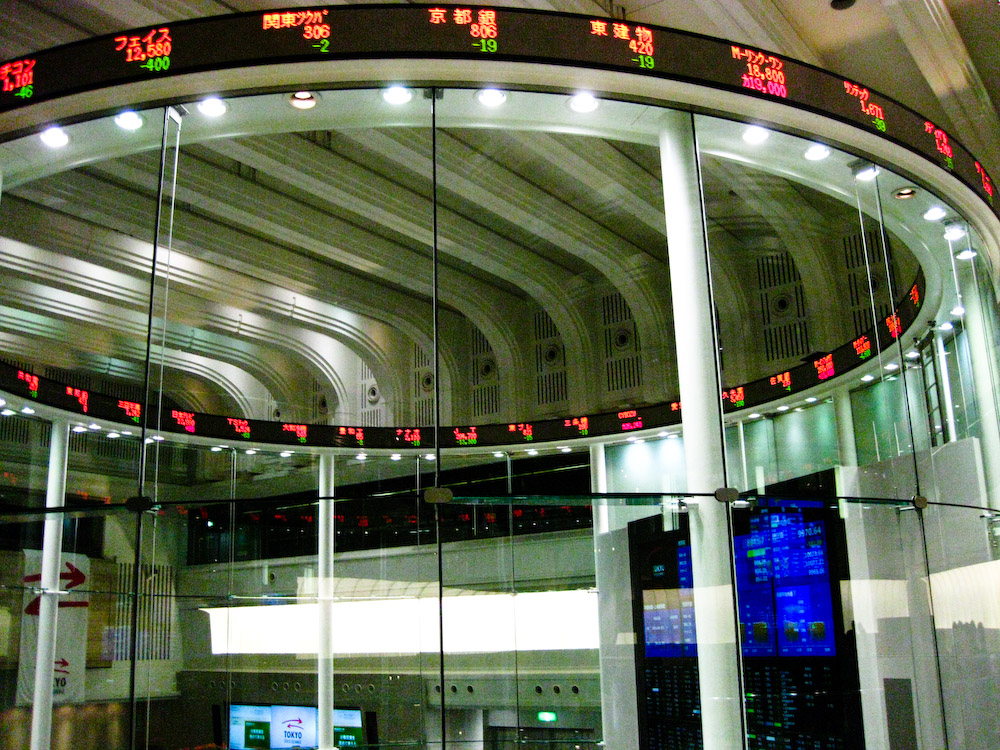
As Monday’s Asian session opened, Japan’s Nikkei 225 climbed 0.62% and South Korea’s KOSPI surged 1.8%. Meanwhile, across the Pacific, Dow Jones futures dropped 253 points — 0.5% — and S&P 500 futures fell 0.6%. The Nasdaq-100 slid 0.7%. Same headlines. Same crude oil spike. Completely opposite market behavior.
That split screen is worth paying attention to.
What the Markets Are Actually Pricing
Here’s the backdrop: over the weekend, President Trump issued his sharpest threat yet against Iran, vowing to bring “Hell” to the country by Tuesday if Tehran didn’t fully reopen the Strait of Hormuz. He later specified a “Tuesday 8 P.M. Eastern Time” deadline. The White House confirmed it. Trump also announced a 1 p.m. Monday press conference “with the Military” at the Oval Office — which, depending on your interpretation, is either diplomacy theater or a prelude to something much worse.
Iran’s response? The Strait reopens when war damages are compensated. Drone strikes hit Kuwait’s oil headquarters on Saturday. WTI crude jumped 2.57% to $114.11 a barrel. Brent hit $111.65.
So why are Tokyo and Seoul green?
Part of the answer is context. Much of Asia is on holiday — Australia, New Zealand, Hong Kong, mainland China, and Taiwan are all closed for Easter and Qingming Festival. That thins the order book dramatically. Thinned markets amplify moves in both directions, and right now, the thin Asian session is running on one specific read: that Tuesday’s deadline is a negotiating position, not a trigger.
The other part is the yen. Japan imports essentially all of its oil. That should be devastating. And to be fair, a Nikkei up 0.62% isn’t a celebration — it’s more like a patient slowly sitting up in a hospital bed. But the yen has been weakening steadily against the dollar through this conflict, and that currency effect has given a meaningful lift to Japan’s export-heavy large caps. Toyota, Sony, and their peers report earnings in yen but sell globally in dollars. The currency math is working in their favor even as oil prices crush their input costs.
South Korea’s 1.8% KOSPI jump is the more aggressive bet. Korean markets have been beaten down hard since the conflict started February 28. Monday’s move looks more like a relief rally — the kind of bounce you get when a market has been oversold and fresh selling stalls. That’s not a buy signal. It’s positioning exhaustion.
Wall Street Is Reading the Same Situation Differently
U.S. futures aren’t buying the Tuesday-as-theater thesis. And there are good reasons for that skepticism.
WTI at $114 is a direct tax on American consumers. The average U.S. driver is already spending significantly more at the pump than a year ago, and that hit shows up in discretionary spending, retail sales, and ultimately, corporate margins. Q1 earnings season kicks off this week, and analysts have been furiously slashing estimates across consumer-facing sectors.
There’s also the press conference factor. Markets hate a military press conference they can’t interpret. Is Trump announcing a ceasefire framework? Escalating to a broader strike campaign? Presenting a deal? The Oval Office optics add genuine uncertainty to an already fragile tape. Futures markets don’t do well with ambiguity — they reprice lower and ask questions later.
And then there’s the OPEC+ move, which landed with all the impact of a shrug. The cartel raised production quotas by 206,000 barrels per day for May. That’s not nothing — but it is nearly symbolic. The war has constrained shipments from several OPEC members directly. You can raise a quota all you like; you can’t ship oil through a contested strait. The market saw right through it, and crude climbed anyway.
The Divergence Has Historical Precedent
This kind of regional split — where Asian markets trade optimism while U.S. futures sell the same news — has shown up before. In the early stages of the Russia-Ukraine conflict in 2022, European markets initially bounced on ceasefire hopes while U.S. equities remained heavy. The pattern often reflects something simple: the market that’s closer to the conflict, or more economically exposed, tends to rally harder on any hint of de-escalation, because it’s been hit harder to begin with.
South Korea, sitting at the top of a peninsula with a complicated geopolitical neighborhood, is no stranger to pricing in existential risks and then moving on. Seoul has essentially built “geopolitical risk discount” into its equity culture for decades.
Tokyo is playing a more nuanced game — watching the yen, watching the Fed, and watching oil simultaneously. The 0.62% Nikkei gain is less a statement and more a pause.
What Happens After Tuesday
That’s the question hanging over everything right now. Three scenarios are live:
One: Iran blinks, partial Hormuz reopening occurs, oil pulls back sharply from $114, and a global relief rally materializes. This is the scenario Asian markets are pricing a sliver of.
Two: Deadline passes with no deal, Trump escalates with targeted infrastructure strikes, oil spikes further, and global markets price in a prolonged conflict. Wall Street futures are hedging against this.
Three: The deadline extends again — as it did once already — dragging out the uncertainty and keeping oil elevated without a resolution. This is arguably the worst scenario for equities, because markets generally prefer a bad outcome with clarity over prolonged ambiguity.
JPMorgan noted last week that Iran’s “maximum leverage” — its ability to cause real economic pain — would be felt in the coming weeks as war effects compound through global supply chains. That’s a slower burn than a Tuesday deadline suggests. The market might not be braced for it yet.
For now, the split screen holds. Asia tentatively rallied. Wall Street futures fell. One of them is right. We find out what that means by Tuesday night.
Related reading: Strait of Hormuz: What Tuesday’s Deadline Means for Ma | Grocery Stocks 2026: The Hidden Trade in War-Driven Food Inf
Disclosure: This article is for informational purposes only and is not investment advice.