
Seventy-eight percent. That’s the premium Bill Ackman is offering Universal Music Group shareholders — a number so large it makes you wonder if he knows something the rest of the market doesn’t, or if this is the kind of swing that only the most confident (or most reckless) investors take.
On Tuesday, Pershing Square announced a cash-and-stock proposal to acquire Universal Music Group in a deal valued at approximately 55.8 billion euros — or $64.4 billion at current exchange rates. Under the terms, UMG shareholders would receive 9.4 billion euros in cash plus 0.77 shares of a newly created entity for every share they currently hold. The total deal price works out to 30.4 euros per share. UMG’s stock, which had fallen 23% year-to-date before the announcement, immediately jumped 10%.
Let that sink in. The stock was down nearly a quarter this year. Ackman is offering a 78% premium on top of where it closed last Thursday. Either he thinks the market has been catastrophically wrong about UMG’s value, or this is one of the boldest activist moves we’ve seen in a long time. Probably both.
Why Music, Why Now
Ackman has been making the case for Universal Music for years. His core argument: the world’s largest music company — home to Taylor Swift, Lady Gaga, and a catalog that literally spans the history of recorded music — trades at a steep discount to its intrinsic value because of structural quirks that have nothing to do with the actual business.
Here’s the thing: he’s not wrong about the quirks. UMG has been listed on Euronext Amsterdam since 2021 — a European exchange that doesn’t naturally attract the deep pool of U.S. institutional investors who would typically own a company like this. Bollore Group, the French conglomerate with a complicated corporate history, holds an 18% stake that has created persistent overhang uncertainty. Shareholder communications have been, in Ackman’s own words, suboptimal.
Strip all that away and you’re left with a business that controls roughly a third of global recorded music revenues, benefits directly from every Spotify subscription, every Apple Music renewal, every sync license on every Netflix show. Streaming royalties aren’t a growth story anymore — they’re infrastructure. And Ackman is betting that once UMG lists on the New York Stock Exchange under a cleaner corporate structure, American investors will re-rate it significantly higher.
The Structure of the Deal
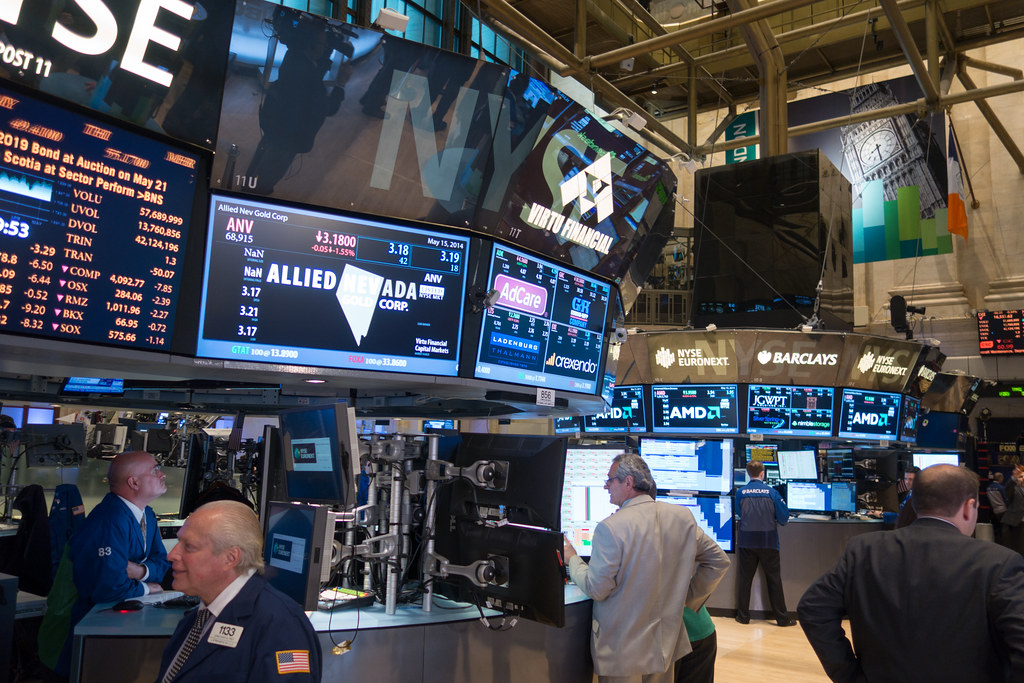
The mechanics matter here. This isn’t a traditional all-cash buyout. Pershing Square is proposing to merge UMG into a newly formed company that would then list on the NYSE — essentially a recapitalization wrapped in a takeover. Current shareholders get cash plus equity in the new entity. The combined company stays public; it just trades in New York instead of Amsterdam.
Ackman is also proposing a board refresh. He’s calling for Michael Ovitz — one of the most storied names in global entertainment — to serve as chairman. Two Pershing Square affiliates would join the board as well. CEO Lucian Grainge, who has run UMG for over a decade and built much of the current artist roster, would remain — but under a new employment and compensation arrangement.
Vivendi, UMG’s former parent and still a significant shareholder, saw its own stock jump 11% on the news. Bollore Group shares rose 6.3%. The market is reading this as a positive resolution to the ownership overhang that’s been depressing UMG’s multiple for years.
What This Actually Tells You About Markets Right Now
Here’s what’s really interesting about the timing. Markets are rattled. The Iran conflict has oil prices swinging, Treasury yields are elevated, and S&P 500 futures have been tumbling on geopolitical headlines. Against that backdrop, Ackman is announcing a $64 billion deal for a music company.
That’s not a distraction — it’s a statement. When geopolitical risk is high, the playbook for long-term capital is to find assets with durable, non-correlated cash flows. Music royalties don’t care about Strait of Hormuz tensions. They don’t fluctuate with oil prices. They grow steadily as global streaming penetration expands and as catalog value compounds over time.
To be fair, this is still a complex deal with real execution risk. Bollore’s 18% stake means the transaction requires either his cooperation or a prolonged fight. Regulatory review across multiple jurisdictions — European and American — could take the better part of a year. And 30.4 euros per share is a big number to justify if synergies don’t materialize as expected.
But Ackman has been right about UMG’s discount for a while. He’s been wrong on timing before — this year’s 23% drawdown in UMG shares happened on his watch as a major investor. Now he’s essentially saying: if the market won’t re-rate this asset, I’ll take it private-ish and do it myself.
What Happens Next
The deal is expected to close by year-end, assuming UMG’s board engages constructively — and assuming Bollore comes to the table. Watch for UMG’s formal response in the coming days. If the board forms a special committee to evaluate the proposal (standard practice), it signals they’re taking it seriously. If they reject it outright, expect Ackman to go public with his case to shareholders.
Either way, this is a deal that reframes how investors should think about entertainment assets in a streaming-dominated world. Music catalogs are becoming the new toll roads — quiet, predictable, essential infrastructure for the digital economy. Ackman saw that early. At $64 billion, he’s putting real money behind the conviction.
Whether that conviction is genius or hubris, we’ll know by December.
Disclosure: This article is for informational purposes only and is not investment advice.