
Twelve million barrels a day. That’s how much oil the world stopped receiving when the Iran war shuttered the Strait of Hormuz. To put that in perspective: the 1973 oil shock — the one that triggered gas lines stretching around city blocks and a global recession — cost the world about five million barrels daily. The 1979 crisis, same thing. Five million. What’s happening right now is more than both of those combined.
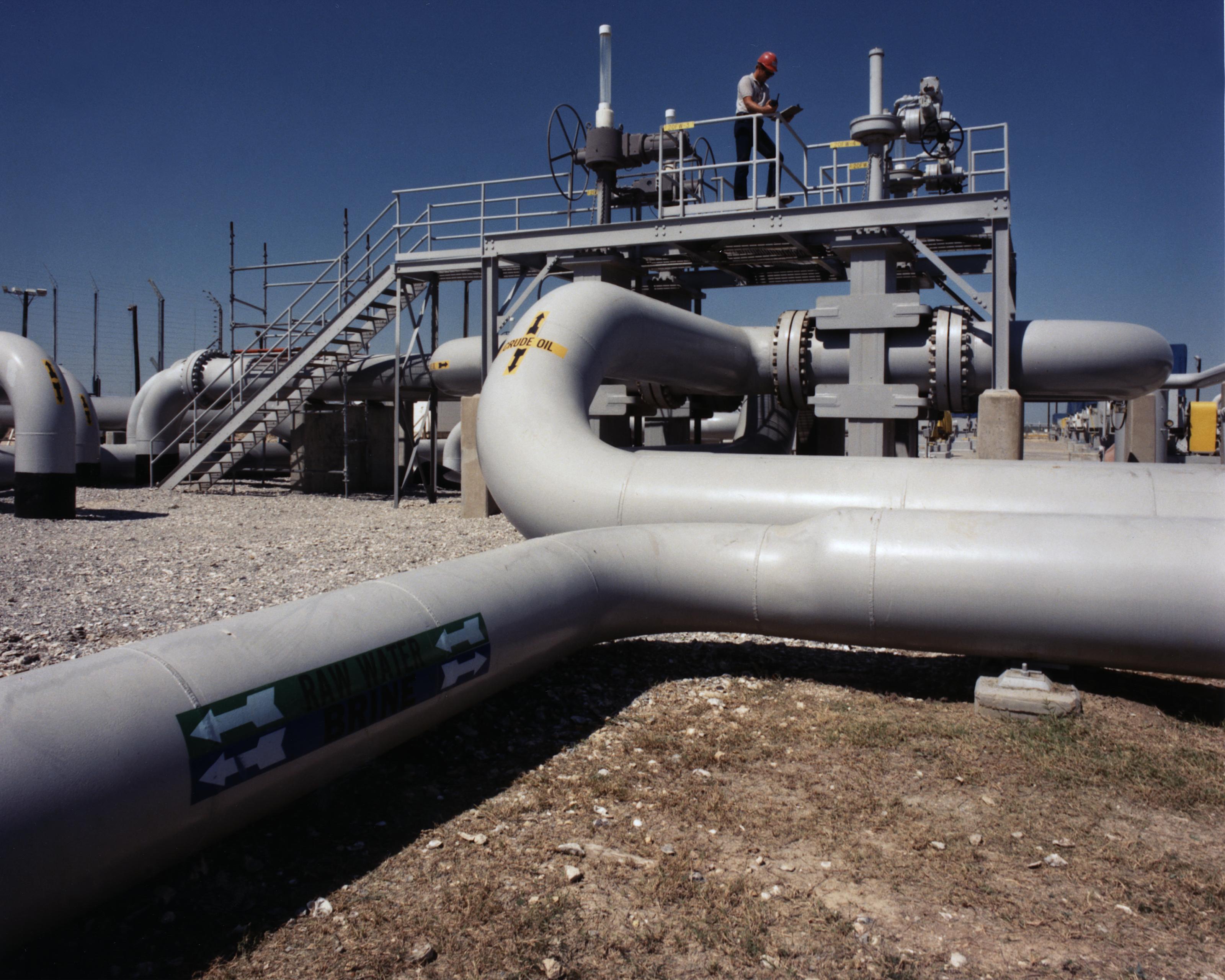
The International Energy Agency moved fast. On March 11, its 32 member nations agreed to release a record 400 million barrels of emergency oil reserves — a number that sounded enormous because it is. The largest coordinated stockpile release in history. The markets got a brief reprieve. Brent rallied, then pulled back. And now IEA Executive Director Fatih Birol is floating the possibility of doing it all over again.
“We are assessing the market on a daily, if not hourly, basis, 24/7,” Birol said last week. “If we think there is a need, we may well make a suggestion.”
That’s not a reassuring statement. That’s a man watching the gauges tick toward red.
Why April Is the Dangerous Month
Here’s what most people haven’t fully absorbed about the supply math: March wasn’t actually that bad — not yet. A portion of the tankers and cargo ships that got caught in transit before the Hormuz blockade tightened were still making it to port. Residual supply flowing through pipelines. Cargoes already loaded. The markets were running on inventory that was technically already sold before the war started.
That buffer is gone now.
“In April, there is nothing,” Birol told Nicolai Tangen on the In Good Company podcast. “The loss of oil in April will be twice the loss of oil in March.”
Twice. When March was already bad enough to push oil prices to their highest level since 2022 and prompt a historic reserve release. The second-order effects are where this gets particularly ugly. It’s not just crude oil. The Hormuz blockade is also cutting off liquefied natural gas — a supply disruption that Birol says already exceeds what European markets suffered when Russian gas flows were severed in 2022. Add in petrochemicals, fertilizers, and sulfur — all of which transit through the same chokepoint — and you have supply chain disruptions that don’t show up immediately in pump prices but eventually show up everywhere.
The Jet Fuel and Diesel Problem
If you want to understand where this hits hardest, first, focus on what Birol specifically called out: jet fuel and diesel. These aren’t the glamour commodities that dominate financial headlines. But they’re the ones that move things. Diesel powers the trucks, the generators, the construction equipment, and the farming machinery that feeds supply chains. Jet fuel keeps air freight moving — including the pharmaceutical and electronics components that can’t go by sea.
Asia is already rationing. Europe has until April, maybe the start of May, before it starts feeling the pinch. The United States has more insulation given domestic production, but not immunity — especially not for jet fuel, where the domestic supply chain is tighter than it looks.
To be fair, the 400 million barrel release isn’t worthless. It has bought time and capped some of the price spike that would otherwise have been even more severe. SPR releases don’t replace lost supply barrel-for-barrel — they’re a bridge mechanism, designed to signal to markets that governments are acting and to smooth volatility while underlying conditions hopefully improve. They’ve done that, partially.
The problem is the underlying conditions haven’t improved. Ceasefire talks are grinding on. Trump called Iran’s most recent proposal “not good enough” on Monday. There’s still a Tuesday deadline over Hormuz that has now been extended. Every additional week the strait stays closed is another week of supply that doesn’t exist anywhere in the chain — not in the SPR, not in storage tanks, not in transit.
What a Second Release Would Actually Mean
If the IEA does trigger another coordinated release, the market signal is almost as important as the barrels themselves. Round one was historic. Round two would be unprecedented — and markets would read it as confirmation that the situation is worse than official communications have suggested.
That’s the bind. Birol releasing more reserves calms supply fears momentarily, but announcing you need to do it again tells the world the first release wasn’t enough. For energy stocks, defense contractors, and anything denominated in petrodollars, the implications run in multiple directions simultaneously.
Energy stocks — already up sharply since the war began — could see additional upside if a second release signals that the crisis is deepening faster than expected. But a ceasefire announcement, even a shaky one, would unwind those gains fast. The trade is binary and the timing is impossible to know.
What isn’t impossible to know is that the world’s emergency oil infrastructure was designed for localized disruptions, not a six-week blockade of 20% of global oil flows. The SPR was built for oil shocks. What we have right now isn’t a shock — it’s a sustained squeeze. And sustained squeezes are the kind that break things rather than bend them.
Birol put it plainly: “We are heading towards a major, major disruption, and the biggest in history.” He’s been right about the trajectory so far. The question isn’t whether to take that warning seriously. It’s what to do with it.
Disclosure: This article is for informational purposes only and is not investment advice.